Preventive Health
Longevity habits, health checkups, immunity and disease prevention
U.S. Health System Trails Peers on More Quality Measures Than It Leads
The U.S. spends nearly twice as much per person on health care as peer nations, yet falls behind on more quality measures than it surpasses.
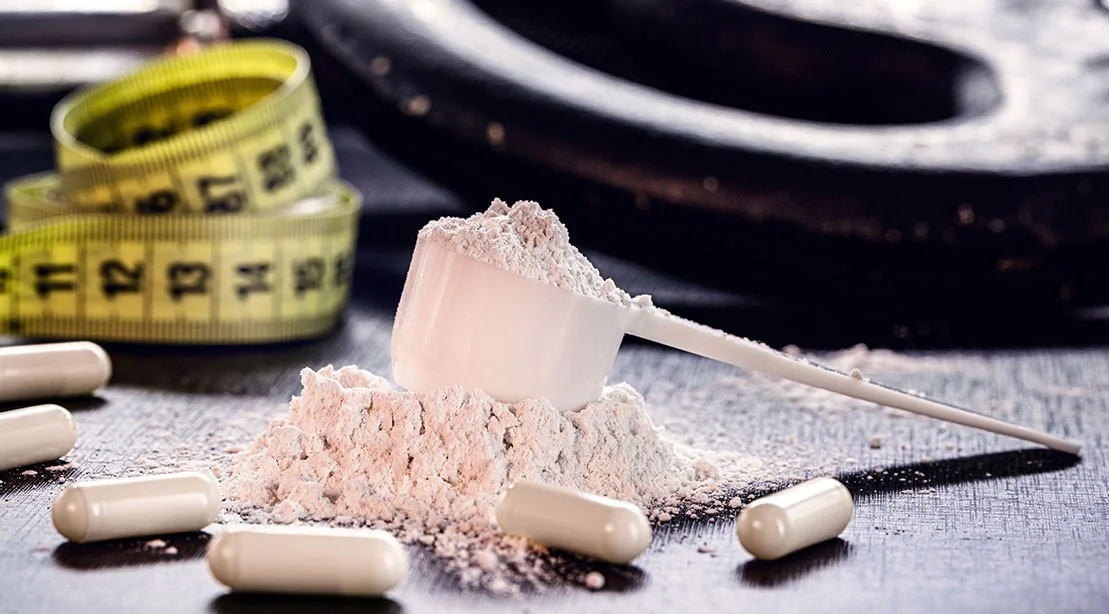
Texas A&M Study Finds Creatine May Support Muscle Gains Without Structured Exercise
In a 12-week study of adults aged 45 to 65, creatine users gained lean tissue with or without supervised exercise, with larger gains alongside training.
Personalized Magnetic Brain Stimulation Earns FDA Clearance for PTSD
Wave Neuroscience reports promising PTSD trial results for personalized magnetic stimulation, though full findings are still awaiting public release.

Clinical Trial Travel and Payment Support Could Improve Screening and Retention
Medidata and Fierce’s virtual workshop examines how coordinated travel and patient payments could reduce missed visits, protocol deviations and site workload.
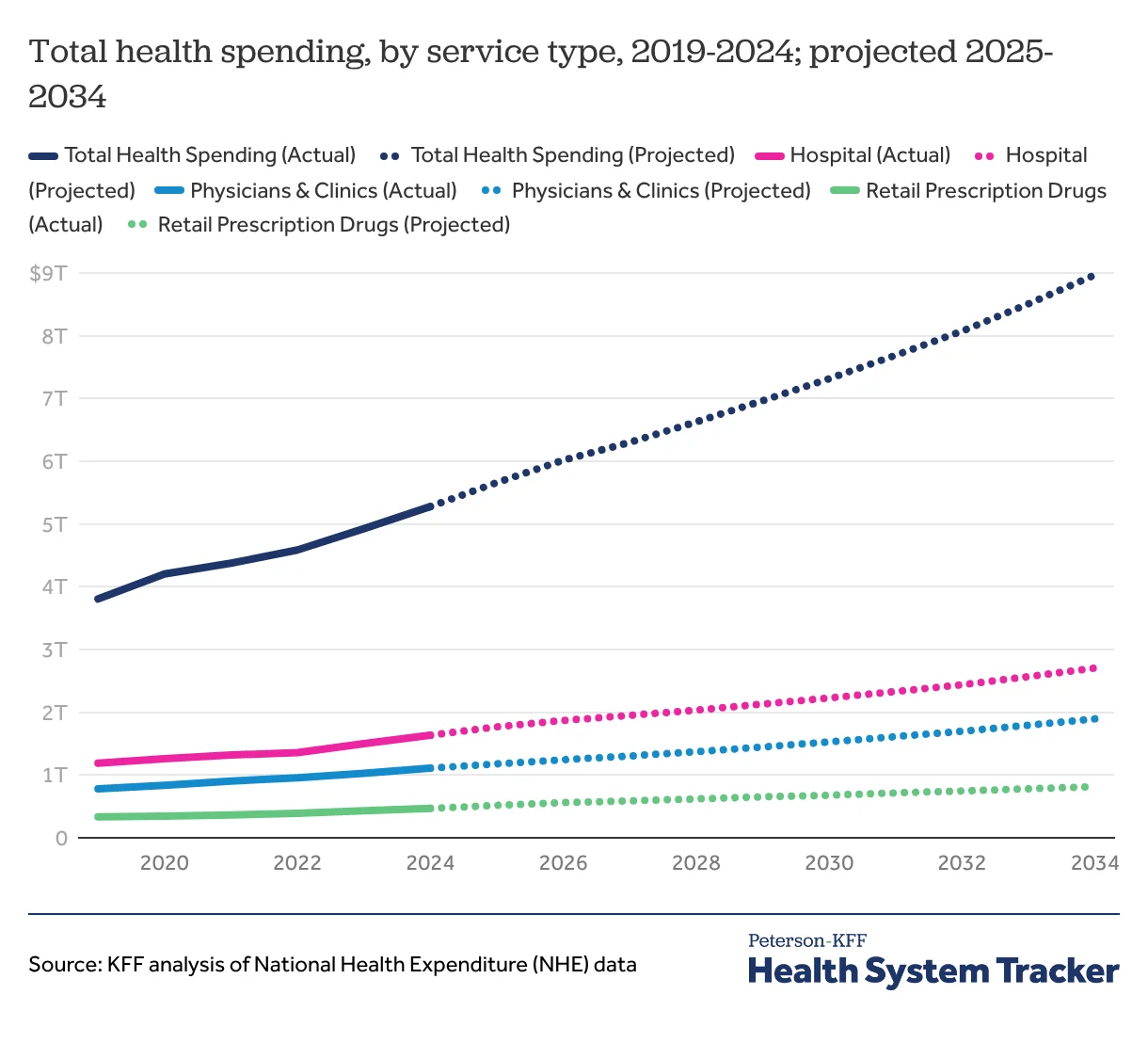
U.S. Health Spending Projected to Reach $9 Trillion by 2034
U.S. health spending is forecast to reach $9 trillion by 2034, with growth cooling after 2026 while spending continues to outpace GDP.

Prescription Drug Imports Face Uncertainty as U.S. Customs Rule Is Delayed
A delayed customs rule leaves millions of patients unsure whether lower-cost prescription shipments from abroad will keep reaching them.

NYU Study Finds Genetic Link Between GLP-1 Drugs and Male Hair Loss
An NYU study links GLP-1 receptor activity to a 7% higher hair-loss risk in men predisposed to male-pattern baldness.
Ultra-Processed Foods and Colorectal Cancer: Study Finds Different Links by Food Type
A study of 461,682 Americans found no link between total ultra-processed food intake and colorectal cancer, but associations varied by food type.
Excess RNA Can Disrupt Mitochondria and Reduce Cellular Energy, Study Finds
A poxvirus study finds that excess RNA can directly impair mitochondria, raising questions about RNA buildup in disease and the design of RNA-based treatments.
Astronaut Heart Study Finds Adaptation to Spaceflight and Simulated Mars Gravity
In 13 astronauts, heart function recovered after early changes in space, and scans found no significant strain during a simulated Mars gravity test.
Bonn Researchers Track More Than 60 Years of Cellular Rejuvenation
A slow reprogramming process reset age markers in blood cell precursors, giving researchers a model to study how cellular aging unfolds.
Ten Healthy Diet Patterns Linked to Slower Biological Aging in Study
A study of about 7,500 people links all 10 diets examined to slower biological aging, with shared cellular pathways and modest differences between plans.
How Statins May Trigger Muscle Pain Through a Calcium Channel
Researchers found that three atorvastatin molecules can keep a muscle calcium channel open, offering a molecular explanation for some statin-related muscle symptoms.

Why US Cancer Patients Are Turning to China for New Treatments
Patients are traveling to China for cancer drugs unavailable in the US, exposing gaps in trial access and a widening shift in biotech research.
Vitamin C Trial Signals Possible Survival Benefit in Early Blood Disorders
The phase 2 EVITA trial found fewer adverse events and a possible survival benefit with daily vitamin C, a result that needs confirmation.

Remote Patient Monitoring’s Case for Earlier Toxicity Detection in Clinical Trials
A Fierce Biotech Mix webinar examines how remote monitoring could improve toxicity management—and what evidence sponsors and sites need to adopt it.

University of Missouri Study Links Daily Routines to Less Pain and Depression
University of Missouri researchers found that regular daily routines were linked to less physical pain and depression, regardless of sleep quality.

9 Wellness Products for Holiday Training, Recovery and Family Care
Nine picks span hybrid training shoes, recovery tools, personalized health data and family tracking, with options for busy routines and holiday travel.
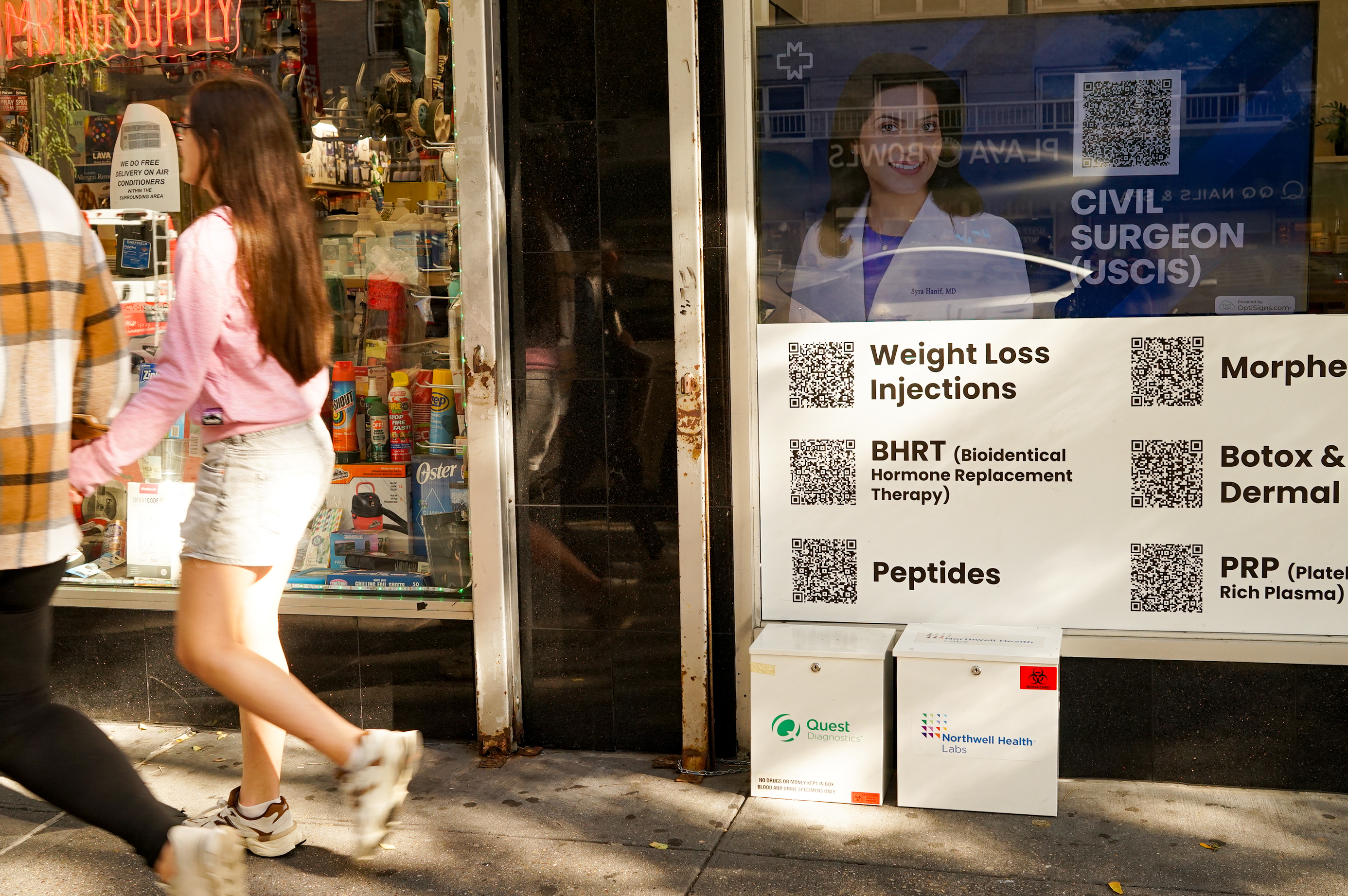
Peptide Therapy Claims Outrun the Evidence on Safety and Effectiveness
Experimental peptides attract health claims, but limited human research leaves major questions about safety, benefits and why clinical trials matter.
New Study Links Red Meat Sugar to Increased Diabetes Risk
A recent study reveals that N-glycolylneuraminic acid from red meat significantly raises type 2 diabetes risk, independent of other factors.