Electric toothbrushes matter less for power than for consistency, since timers and pressure sensors reduce home brushing mistakes and keep routines on track.
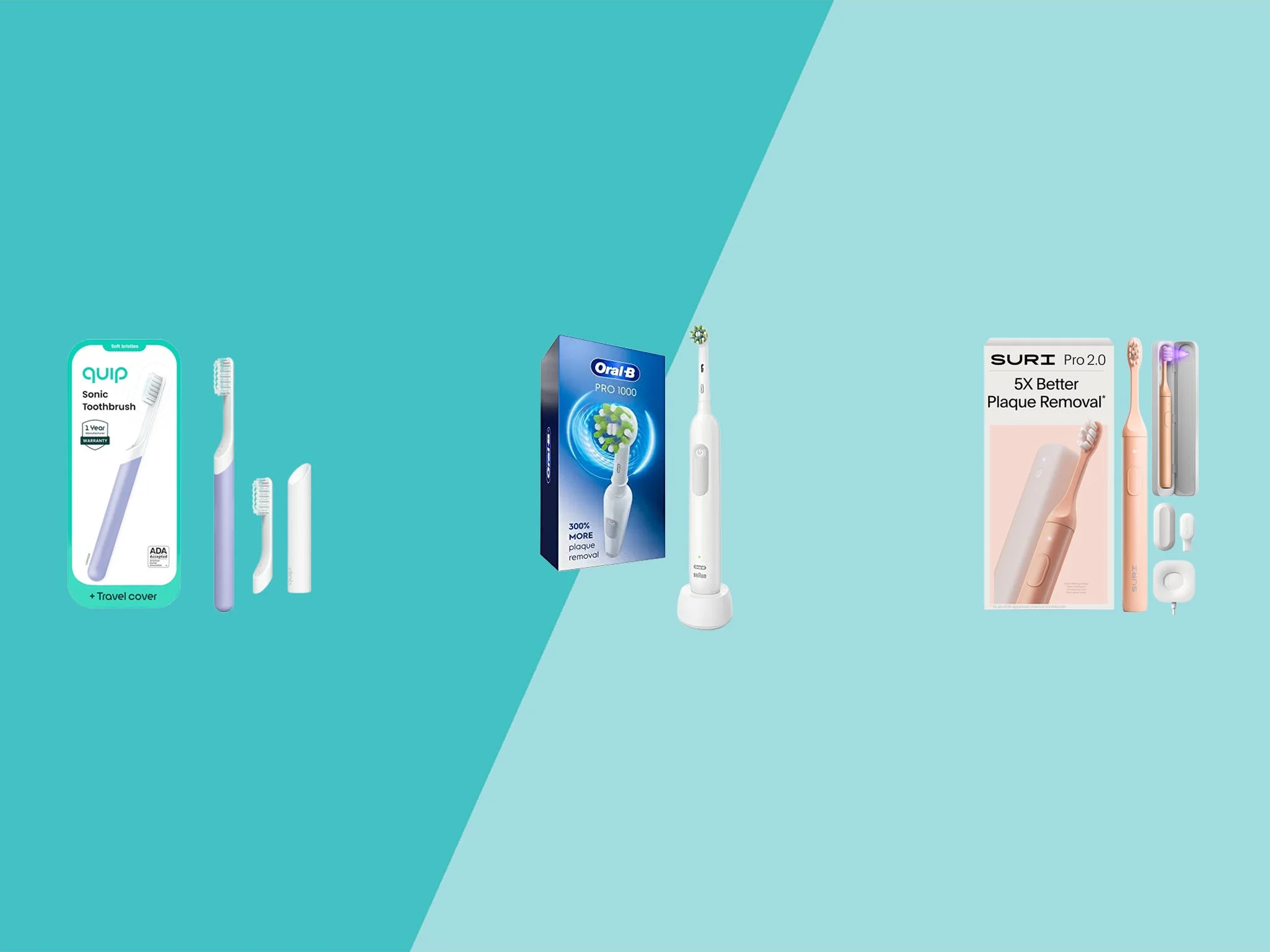
Electric toothbrushes are less about power than about consistency, and that's where most people quietly fall short. Thorough, regular brushing helps prevent cavities, gingivitis, and gum disease, and the right tool makes that routine easier to keep. Regular dental visits still matter. But the brush you use every morning has more say in your results than most people admit.
Manual brushes work. Nobody serious argues otherwise. But they depend entirely on your technique, and your technique on a rushed weekday isn't the one you practiced in the dentist's chair. An electric brush does the moving for you. Many models add pressure sensors, built-in timers, and multiple cleaning modes, and some pair with an app that maps your coverage and gives feedback on your habits. Here's the thing: those features mostly remove guesswork.
Why dentists keep pointing to electric
The recommendation isn't a fad. Adam Salm, D.M.D., dentist and founder of Salm Dental, explains the logic simply: "They eliminate a lot of mistakes people tend to make when they brush at home and keep people on a routine." Mistakes at home, in other words, are the problem electric brushes are built to solve.
For this roundup, we consulted Ada S. Cooper, D.D.S., a New York City dentist and consumer advisor to the American Dental Association (ADA); Salm; Vagan Tapaltsyan, D.D.S., Ph.D., a cosmetic, implant, and reconstructive dentist in California; Keith Arbeitman, D.D.S., co-founder of Arbeitman & Shein Aesthetic and Restorative Dentistry in New York City; Gary Glassman, D.D.S., an endodontist in Canada; Jennifer Plotnick, D.M.D., a dentist at Grand Street Dental in New York City; and Kevin Sands, D.D.S., a cosmetic dentist and member of the American Academy of Cosmetic Dentistry (AACD) in California. We also combed through reviews, ratings, and specs. We may earn commission from links on this page, but we only recommend products we back.
Premium smart brushes
Start with the most expensive end, where the pitch is feedback. Oral-B's CrossAction head oscillates, rotates, and pulsates, and the brand claims it removes three times more plaque along the gum line than a manual brush. Tapaltsyan's read is more practical: "It has the essentials that actually matter, a two-minute timer and a pressure sensor, without paying for features most people never use. The small round head makes it easy to clean tooth by tooth." The brush offers Daily Clean, Whitening, and Sensitive modes, a two-minute timer with 30-second pacing alerts, and a pressure sensor that stops the pulsations if you press too hard.
Longtime users back it up. What an editor says: Senior Commerce Editor Charlotte Finigan has used her Oral-B for 20-odd years. "I love it, never felt the need to upgrade, and it hasn't tapped out on me yet," she says. She swaps brush heads roughly every three months and hasn't had a cavity in as many years as she's used it. The heads are her go-to buy during Prime Day, when they're on sale.
Then there's Philips Sonicare's DiamondClean 9900 Prestige, which sits at the top of the brand's line. Salm calls Sonicare brushes "powerful, durable, and reliable." Philips claims the DiamondClean removes up to 20 times more plaque, produces 15 times healthier gums in six weeks, and delivers 100% more stain removal in under two days compared with a manual brush. Those are the brand's numbers, not independent results, and they're worth reading that way. Tapaltsyan is more interested in how it behaves in your mouth: "It senses how you're brushing and adjusts in real time, and the app coaching helps patients find the spots they keep missing." The brush has three intensity levels, eight cleaning modes, and 62,000 bristle movements per minute. Its AI-driven sensing tracks pressure, motion, and coverage, and the Philips Sonicare app shows real-time mouth mapping of the spots you've missed.
What an editor says: Prevention's Associate Commerce Editor, Hannah Jeon, tested the DiamondClean and came away impressed. "It always delivers an exceptional clean with a dentist-clean mouthfeel," she says. The visual mouth map and real-time feedback on pressure, motion, and coverage helped her improve her technique. She also reports less bleeding and sensitivity in her gums since switching. She attributes that to brushing more thoroughly, though it's not clear how much of the change comes from the hardware versus simply paying closer attention.
Gentler and more affordable options
Not everyone needs a app-connected flagship. The Philips Sonicare 4100 is another popular pick, and it's the one Tapaltsyan points to for patients who find oscillating brushes too intense. "It has a pressure sensor and adjustable intensity, and the sonic action does a nice job around crowns, bridges, and other dental work." Its pressure sensor pulses to tell you to ease off and automatically reduces vibration. It runs at 31,000 brush strokes per minute, offers two intensity levels, and includes a two-minute timer.
The Aquasonic sonic brush is an ADA-accepted option that undercuts pricier models at $40. It produces 40,000 vibrations per minute, offers four cleaning modes (including a Whitening mode aimed at daily surface stains), and charges quickly wirelessly. It also has a smart vibration timer with a two-minute run and 30-second pulses, a travel case, and eight replacement heads that can last up to two years. For the money, that's a lot of kit.
The Oral-B iO Series 3 is where a visible pressure sensor earns its place. Tapaltsyan calls it "Oral-B's most advanced brushing technology at a reasonable price," and he likes that it tells you right away. "The light-up pressure sensor shows you right away if you're brushing too hard or too soft, which is one of the most common mistakes I see." Where other brushes on this list just pulse, the iO's light ring glows red when you press too hard and green when you're in range. It also has gentle micro-vibrations for sensitive teeth and gums, three cleaning modes (Daily Clean, White, and Sensitive), and a two-minute timer.
SURI's electric toothbrushes make a sustainability case. The brush heads are made from plant-based materials, cornstarch and castor oil, and the brand runs a mail-back recycling program for used heads. The SURI Pro 2.0 has medium-soft bristles, an aluminum body, and a pressure sensor that pulses to prevent overbrushing. It offers two modes, Clean and Polish. The travel case includes a battery-powered UV-C light that the brand says kills up to 99.9% of bacteria. If you don't need the case, you can buy just the toothbrush without a case.
If you want simple and cheap, Colgate's battery-powered electric brush costs only $13. It has two modes, sensitive and regular, plus a two-minute timer. That's not much, and that's the point. "Colgate makes great electric toothbrushes," says Arbeitman. "Small iterative changes over the years have made them increasingly efficient and effective."
Built for travel
The Quip is the pick for people who are always packing. "I travel often, and Quip is hands down the most transportable toothbrush," says Plotnick. The holder doubles as a travel case and can mount to mirrors, glass, and tile. It's battery-powered, so there's no charger to pack, and the battery lasts up to three months. The brush delivers gentle sonic vibrations with soft bristles, which suits sensitive teeth and gums, and it includes a two-minute timer with 30-second pulses.
Quip also tackles the part of the routine most people ignore. Its subscription program sends a replacement head every three months, which matters because most people don't change their heads as often as they should. Replacing heads on schedule is one of the cheapest ways to keep an electric brush working as well as it did on day one.
The DiamondClean Smart 9300 is the Philips model to look at if you want app-linked brushing without the flagship price. It offers adjustable intensities, which matters more than the spec sheet suggests. "It has three different intensities, so it's great for people with sensitive teeth and gums or people who want a more intense brushing," says [Kevin Sands, D.D.S.](https://www.beverlyhillscosmeticdentist.com/), a cosmetic dentist in California and member of the American Academy of Cosmetic Dentistry (AACD). The real selling point is the feedback loop. The 9300 shows real-time coverage and pressure data through the Sonicare app, flagging the spots you missed and nudging your technique. Philips' pricier DiamondClean 9900 Prestige, listed at $379.99, goes further on features. The 9300 is the choice if you want the feedback without the premium tier. ## Manual brushes work, but they put the burden on you Before you spend anything, know this: a manual brush isn't a bad tool. [Ada S. Cooper, D.D.S.](https://www.ada.org/en), a New York City dentist and consumer advisor to the American Dental Association (ADA), is clear that "both manual and powered toothbrushes can effectively and thoroughly clean teeth." The catch is that a manual brush hands you the whole job. Pressure, duration, and coverage all depend on your technique, and that's where most people quietly fall short. ## Why electric brushes help most people Dentist Arbeitman points to two main advantages: safety and timing. On safety, some electric models cap how much pressure you can apply to teeth and gums. That matters, because much of the work he sees traces back to one of two habits. Either people brush too hard and damage their teeth and gums, or they don't brush hard or long enough, letting bacteria linger and causing gingivitis or cavities. Salm agrees that electric brushes can "eliminate a lot of mistakes people tend to make when they brush at home and keep people on a routine." Brushing too aggressively, he notes, "can cause an injury to your teeth or gums." Timing is the less glamorous benefit, and arguably the one people actually use. Two full minutes is the standard, and most people underestimate how long that is. Arbeitman puts it simply: "[Electric toothbrushes] are automated in a way that with the press of a button, the brush does the work for you—using just enough pressure to effectively clean, without the risk of injury." ## What to look for when you shop Experts generally point to a short list of features: **✔️ Multiple cleaning modes:** Advanced electric brushes often include settings for sensitive teeth, gum care, and other needs, letting you tailor each session. **✔️ Built-in timer:** Many models run a two-minute timer, often pulsing or beeping every 30 seconds to signal a move to a new section of your mouth. **✔️ Pressure sensor:** Many brushes warn you with a light or vibration when you're pressing too hard. This is especially useful for protecting gums and enamel. **✔️ App connectivity:** Some smart models sync with an app that tracks your habits and offers tips. Real-time coverage tracking can map your mouth as you brush, so you can see what you skipped. Other apps show trends over time and remind you when to replace the brush head. **✔️ ADA acceptance:** Cooper recommends checking for the [ADA Seal of Acceptance](https://www.ada.org/resources/research/science/ada-seal-of-acceptance). "Powered toothbrushes with the ADA Seal of Acceptance have provided evidence from clinical trials and investigations that the product is not just safe for teeth, but for soft tissues and dental restorations as well," she explains. The seal is the easiest filter in this whole process. Treat it as a floor, not a ceiling. Beyond it, the features worth paying for are the ones that change how you actually brush, which is why the 9300's coverage and pressure feedback is worth more than a longer feature list.
Discussion
Sign in to join the discussion.