PEMF mats may support pain relief and recovery, but research is still developing. Learn what experts say and which features to consider.
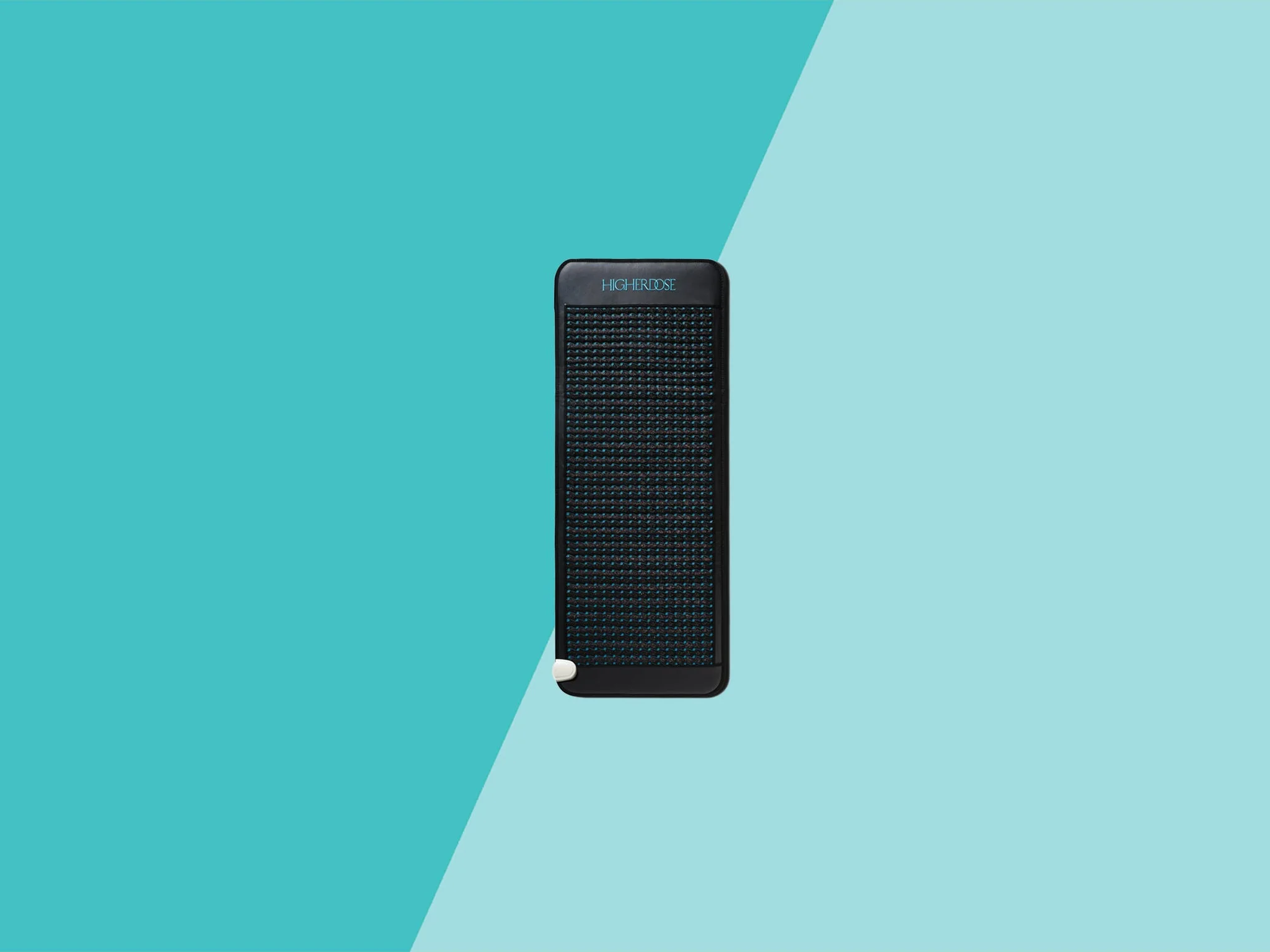
The appeal of PEMF mats is easy to understand: they promise pain relief and recovery at home. The harder question is how much confidence to put in those promises. Research points to possible benefits, but it’s still developing, so these mats make more sense as a wellness aid than as a substitute for medical care.
This guide examines what PEMF therapy is, what experts say about its potential uses, and which features may matter when you’re choosing a mat. We may earn commission from links on this page, but only recommend products we back. Why Trust Us?
What PEMF therapy does—and what the evidence says
Home recovery gadgets have multiplied, from red light therapy masks to infrared sauna blankets. Now PEMF mats are drawing attention for claims around pain, exercise recovery, and stress. The underlying idea is that electromagnetic pulses may interact with the body’s own electrical activity. Whether that translates into reliable benefits for a particular user is less settled.
“PEMF stands for pulsed electromagnetic field therapy. These mats work by generating changing electromagnetic fields that allow small electrical currents to pass into the body’s tissues,” says Annalise Calo, P.T., D.P.T., O.C.S., a physical therapist and orthopedic specialist at Anchor Wellness and WAVE Physical Therapy. “Those pulses then interact with the electrically active biological processes that occur naturally within the body.”
Studies suggest potential effects in several areas: pain relief, inflammation reduction, exercise recovery, sleep, bone healing, and symptoms associated with osteoarthritis. The evidence remains limited and evolving. “The theory is that the pulses stimulate activity at the cellular level—supporting the body’s natural repair processes,” says Elizabeth Dulaney-Cripe, M.D., board-certified orthopedic surgeon and integrative medicine physician, and founder of Valivera Health. “Most research is regarding pain and inflammation or soft tissue repair. There’s also promising research in nerve regeneration.”
For people dealing with pain or recovering from an injury, experts see PEMF as a possible addition to care. It shouldn’t replace appropriate treatment. “If you have a significant chronic medical condition, I would recommend discussing it with your doctor first,” Dr. Dulaney-Cripe says. PEMF mats are generally considered low-risk for home use, but that doesn’t resolve questions about how well they work for each person or condition.
How we assessed the mats
We spoke with Annalise Calo, P.T., D.P.T., O.C.S. of Anchor Wellness and WAVE Physical Therapy; Elizabeth Dulaney-Cripe, founder of Valivera Health; Kenneth Ro, M.D., a double board-certified physician in internal and emergency medicine; and Jacob Teitelbaum, M.D., a board-certified internist in integrative medicine who specializes in sleep, chronic pain, and fatigue.
Our recommendations also draw on editor-tested favorites, thousands of online reviews and ratings, and product specifications. The aim is to identify mats that may suit different needs, from pain relief and recovery to relaxation, while accounting for what the available product details actually show.
Products that stand out
HigherDose’s PEMF mat is one expert-backed option. Dr. Ro likes its combination of low-frequency PEMF and infrared heat in a full-body design, which he says makes it easy to add to a relaxation or recovery routine. Far-infrared heat provides warmth that may increase blood flow, ease muscle tension, and encourage relaxation. Our editors also like HigherDose’s sauna blanket and red light hat.
Jacob Teitelbaum, M.D. says the mat’s frequency settings fall within ranges found in nature and describes them as “safe and effective.” Its four PEMF levels run from 3 Hz at Level 1, intended to support deep sleep, to 23 Hz at Level 4, intended to promote focused energy.
What an editor says: Shannen Zitz, a former assistant editor at Prevention, tried the mat and was impressed. She reported that her chronic neck and back pain improved substantially, while acknowledging she couldn’t be certain the mat alone caused the change. She also said it helped with everyday aches and sleep, and valued the quiet routine it gave her: “It’s earned a permanent spot in my wellness toolbox...It helped reduce my everyday aches and pains and improved my sleep. But mostly, I love that it’s created a peaceful daily ritual that encourages me to slow down and tune into my body.”
For a lower-priced choice, LifePro’s Portable Far Infrared Heating Mat costs just over $500. It pairs PEMF with far-infrared heat and offers 30 adjustable PEMF frequencies, heat settings up to 176°F, a remote, and a carrying bag. Two sizes are available: the large mat and a compact mini mat for people who want something easier to carry.
HealthyLine’s TAJ mat gets recommendations from both Dr. Ro and Dr. Calo. Calo points to its mix of PEMF, far-infrared heat, gemstones, photon or red-light therapy, and negative-ion features. She also says the TAJ line offers more ways to tailor the experience than simpler consumer PEMF mats, letting users adjust settings to their preferences and goals.
The HealthyLine TAJ stands out for its range of sizes and included accessories. It offers adjustable PEMF frequencies from 1–30 Hz, infrared heat, and an automatic shutoff timer. Buyers can choose Small, Medium, Full Body, Full Short for shorter users, or a Chair Pad. The package includes a carrying case, sauna foil blanket, plus cotton and waterproof covers. What an editor says: Commerce Editor Ellen McAlpine tested the smaller version of this mat and found a role for it in both post-workout recovery and meditation. She said that after one or two hour-long sessions, she felt less sore the following morning than on days she skipped the mat. She also used it while meditating to settle into a calmer state, and said its heat helped with cramps and muscle spasms. “It’s become a part of my day that’s dedicated to restoring my body—and I always look forward to it.”
Read the full Healthyline TAJ PEMF Far Infrared Heating Mat review
Other formats for different needs
Bon Charge’s Infrared PEMF Mat Max is the brand’s full-size model; its smaller wrap is built to bend around the back, legs, joints, or abdomen for more focused use. It combines PEMF with red light and near and far infrared heat, and has embedded semi-precious gemstones. A carry bag and handheld controller are included. You can set PEMF frequency from 1–30 Hz and session length from 5–60 minutes. The wrap’s appeal is its flexibility, though the fragment offers no evidence about how well those added technologies perform in practice.
For a simpler setup, OMI’s Full Body Mat provides low-intensity programmable PEMF without heat, vibration, or other added features. It weighs 5 lb, folds for storage or travel, and has an anti-slip surface designed to resist sweat and moisture. Three preset programs are available, with frequency adjustable from 1–99 Hz.
HealthyLine also sells a chair format through HealthyLine. It’s described as the company’s most affordable PEMF mat and is shaped for use on a chair while working or relaxing, although it can also lie flat. The smaller, lighter design makes it easier to move around. A separate 18-by-18-inch size is also available. The TAO combines PEMF with far infrared heat, negative ions, and gemstone therapy; unlike the TAJ Series, it doesn’t include red light. This chair mat’s heat reaches 158°F, PEMF ranges from 1–30 Hz, and its shutoff timer can be set for 1–12 hours. A carrying case, sauna foil blanket, and cotton and waterproof covers come with it.
Dr. Ro describes the travel-sized HigherDose Infrared PEMF Mat as a “smaller, more accessible option.” It uses the same PEMF and far infrared technologies as the brand’s Pro Mat, with four adjustable PEMF levels, in a design that’s half the size. That makes it easier to use over a desk chair, fit into a small room, or take along when traveling.
Settings matter when choosing a mat
More features don’t automatically make a mat the better choice. Dr. Calo recommends looking for a range of frequency and intensity controls instead of a single fixed program: “The ability to customize both frequency and intensity gives the user more flexibility and allows them to find the settings that are most comfortable and appropriate for their individual needs.” The practical value is control over the session; the fragment doesn’t establish which settings work best for any particular person.


Discussion
Sign in to join the discussion.