Explore the personal stories of Black women facing breast cancer, highlighting resilience amidst alarming statistics and systemic healthcare inequalities.
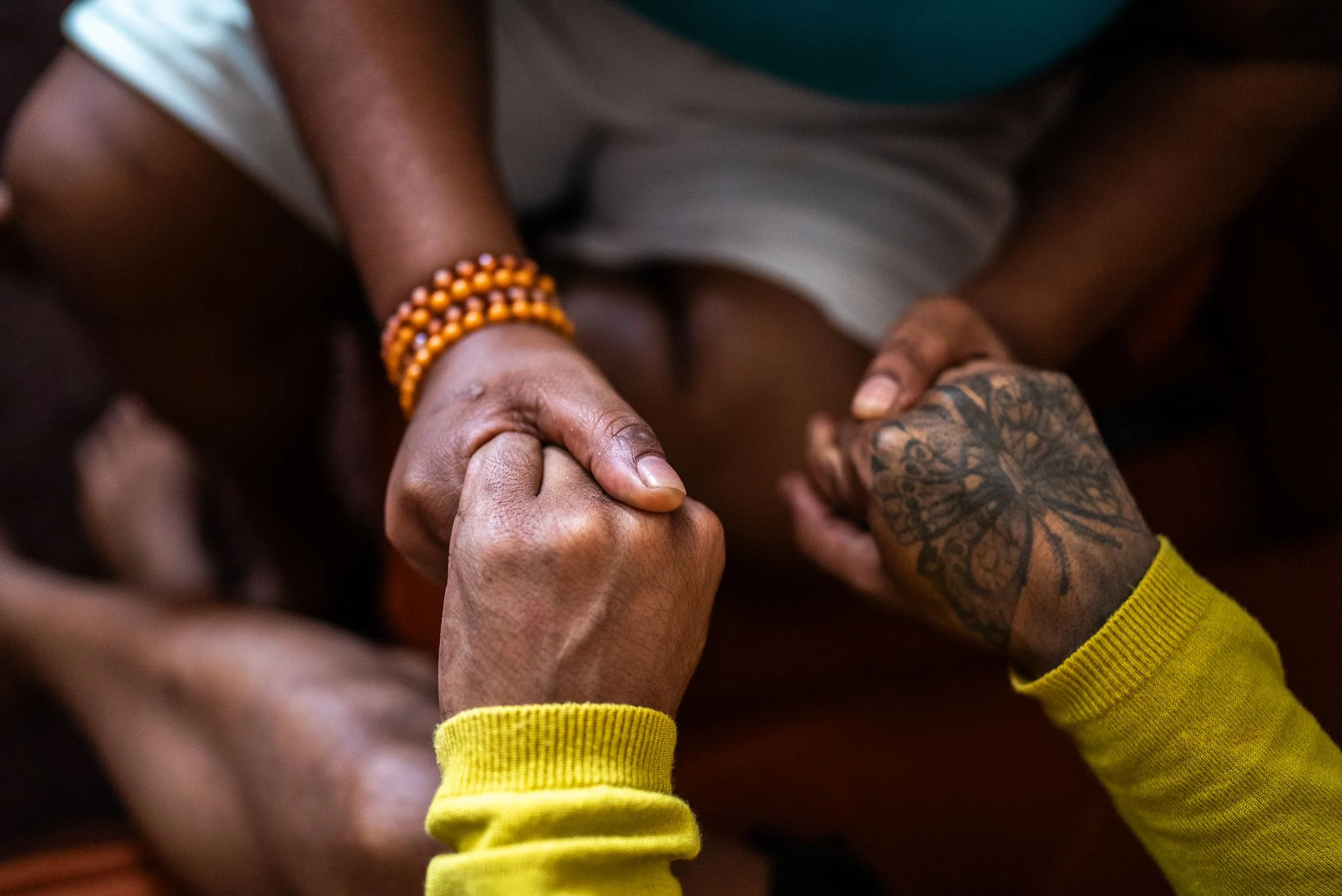
The Unspoken Struggles of Black Women Facing Breast Cancer
Statistical data surrounding breast cancer among Black women often presents a grim and alarming picture. For instance, they receive diagnoses at a younger average age—60 years compared to 62 for white women—and face a 38% greater likelihood of dying from the disease. Not only do they grapple with the lowest survival rates across all breast cancer stages, but shockingly, nearly one in five Black women diagnosed with breast cancer have the particularly aggressive triple-negative type. These statistics may seem like mere numbers, but they speak volumes about systemic inequalities in healthcare that fail to address the unique challenges faced by this demographic. However, the numbers alone can’t encapsulate the depth of personal challenges. Consider the 3 a.m. phone calls, the rituals of head-shaving, and the profound moments of clarity that come during a difficult journey—when a woman looks at her family and finds a powerful reason to fight for her life. The stories of these women prove that they are not just statistics; they embody resilience, complexity, and determination. Their experiences extend beyond clinical data to include community building and unyielding hope, transforming the narrative from one of mere survival to a purposeful life. The following sections delve into the personal accounts of 13 Black women, each of whom has faced breast cancer head-on and emerged with narratives that defy reduction to mere data points. These are women with varied backgrounds, brimming with careers, family ties, laughter, and the full spectrum of human emotions. They illustrate how adversity has brought them together, fostering a vibrant sense of community and a shared resilience that data cannot quantify. Through their journeys, they’ve carved out blueprints for survival that not only honor their struggles but also offer paths for future generations.For Judy Fambrough-Billingsley, health had always been a given. At 75, this naturalized American citizen had never needed to think twice about her well-being. She maintained a vibrant lifestyle, engaging in three-mile walks, swimming laps, and even playing soccer for decades. The mere idea of serious illness didn’t align with her experience—she was not the kind of person who needed medication or faced health scares. But when she began to notice unusual lumps, she hesitated to act. After all, recent mammograms had shown no signs of concern. It took the growth of those lumps to finally propel her into her doctor's office, where the shocking news awaited her.
Her response was one of disbelief. “I was shocked,” she recalls, thrust into the unfamiliar territory of the medical world—prescription bottles and hospital procedures suddenly became her new norm. “Being in a world where sickness exists had never been my world until now,” she reflects. Yet, Judy was not without her tools for resilience. Having grown up during the Civil Rights Era, she had learned a thing or two about navigating oppressive systems. The daughter of a successful Black entrepreneur, her upbringing was steeped in activism. Both her parents were deeply involved in the NAACP, and Judy herself had assumed leadership roles within civil rights organizations, equipping her with a spirit of perseverance that she now needed more than ever.
“I was so used to always being the strong one.”
Taylor Johnson, approaching 30, found herself grappling with an unsettling diagnosis when she discovered a lump in her breast. As a mom and content creator, staying active was integral to her life, but a referral to her doctor resulted in a denial of a mammogram due to her age. Refusing to be sidelined, she insisted on a biopsy, which ultimately revealed stage 2 triple-negative breast cancer. “My reaction was a very deep pause,” Johnson describes, the enormity of the situation settling in as tears flowed.
Her treatment plan has been intense—six months of chemotherapy, surgery, and subsequent radiation. After completing the chemotherapy phase, she initially thought the hardest part was behind her. But her journey became more complex as she focused not just on her own struggles but on how her challenge influenced her young daughter. “I was so used to always being the strong one,” she admits, acknowledging that this experience put her usual identity to the test. Yet, she didn’t face it alone; a supportive community provided weekly prayer calls and friendly visits that buoyed her through the ordeal.
Now, with perseverance drawing upon her strengths, Johnson has gained profound insights about resilience. “It has reassured me how strong I truly am,” she reflects, realizing that strength encompasses much more than physical endurance—it includes psychological and emotional fortitude as well.
“I wanted to feel supported through it, not just survive it.”
At 41, Jessica Ncube was accustomed to caring for others as a licensed clinical social worker and mom. Her own diagnosis sneaked up on her—discovered through a routine mammogram without any preceding symptoms. Her experience shed light on the importance of early detection, as she grappled with the unexpected news. “You hear the words, but it takes time for them to land,” she reflects, entering survival mode the moment reality set in.
A lumpectomy led to further complications, resulting in a double mastectomy. “Losing a part of your body, even when it is lifesaving, is still a loss,” Ncube states, forced to balance grief with gratitude. For someone whose role often involved being a pillar of support for others, learning to articulate her needs was a different challenge altogether. “Strength became less about holding everything in and more about being honest about what I needed,” she explains, illustrating the deep evolution in her understanding of resilience.
Having completed her treatment, Ncube's perspective has shifted dramatically. She emphasizes that strength is now synonymous with softness and honesty, allowing herself to embrace vulnerability as she continues her journey.
As we close this series showcasing powerful personal stories of resilience in the face of breast cancer, one truth stands out: the journey through cancer can ignite a profound transformation, not only in the individuals affected but also in their approach to life and community. Take Patricia Fox, for instance. Initially, the lump she discovered felt mysterious—a cue that prompted her to seek medical advice. Her diagnosis of estrogen receptor-positive stage 2A breast cancer hit hard, but her doctor's optimistic words—“you’ll be a breast cancer survivor”—shifted her mindset. Instead of succumbing to despair, Fox turned to therapy to process her experience. She understood that acknowledging the emotional pain wasn’t weakness; it was a crucial step toward healing. Her mission now is clear: to encourage others, especially in the Black community where therapy can often be stigmatized, to seek support. "You don’t have to suffer in silence," she insists, a sentiment resonating far beyond her personal battle. Then there's Annette Colden, who learned a hard lesson about following one's instincts. Even after two clear mammograms, an unsettling feeling prompted her to persist. That intuition paid off when a later screening revealed stage 0 breast cancer. Colden's faith provided her with calm during what could have been a chaotic period. Her promise to support others, derived from her sister’s journey with cancer, reflects a commitment to fellowship among women navigating similar struggles. Equally compelling is Ricki Fairley’s story. Faced with a stage 3A diagnosis of triple-negative breast cancer, she underwent a radical life transformation, jettisoning the 'cancers' in her life—relationships, job stressors—replacing them with purpose. Initially surrendering to the grim prognosis, she defied the odds to emerge as a beacon of hope for others, co-founding The Black Breast Cancer Alliance. Fairley’s journey underscores a vital insight: life-altering experiences can catalyze fierce advocacy and a renewed sense of community. These narratives are more than just individual accounts; they highlight systemic issues, particularly the disparities faced by Black women in breast cancer diagnosis and treatment. If you're working in healthcare or advocacy, these stories remind you that the personal, emotional, and communal aspects of dealing with such a diagnosis are just as important as the clinical ones. In a world increasingly focused on mental wellness, Fox, Colden, and Fairley exemplify how sharing experiences can foster connection and healing. Their journeys illuminate a path forward in cancer care—one that values not just medical treatment but the complete well-being of patients. As we look ahead, the call to action is clear: let’s amplify these voices and ensure that support and understanding are available to all those facing cancer. That's a fight worth joining.
Discussion
Sign in to join the discussion.