Funding challenges threaten Medicaid meal delivery initiatives that improve healthcare outcomes and reduce costs for vulnerable populations.
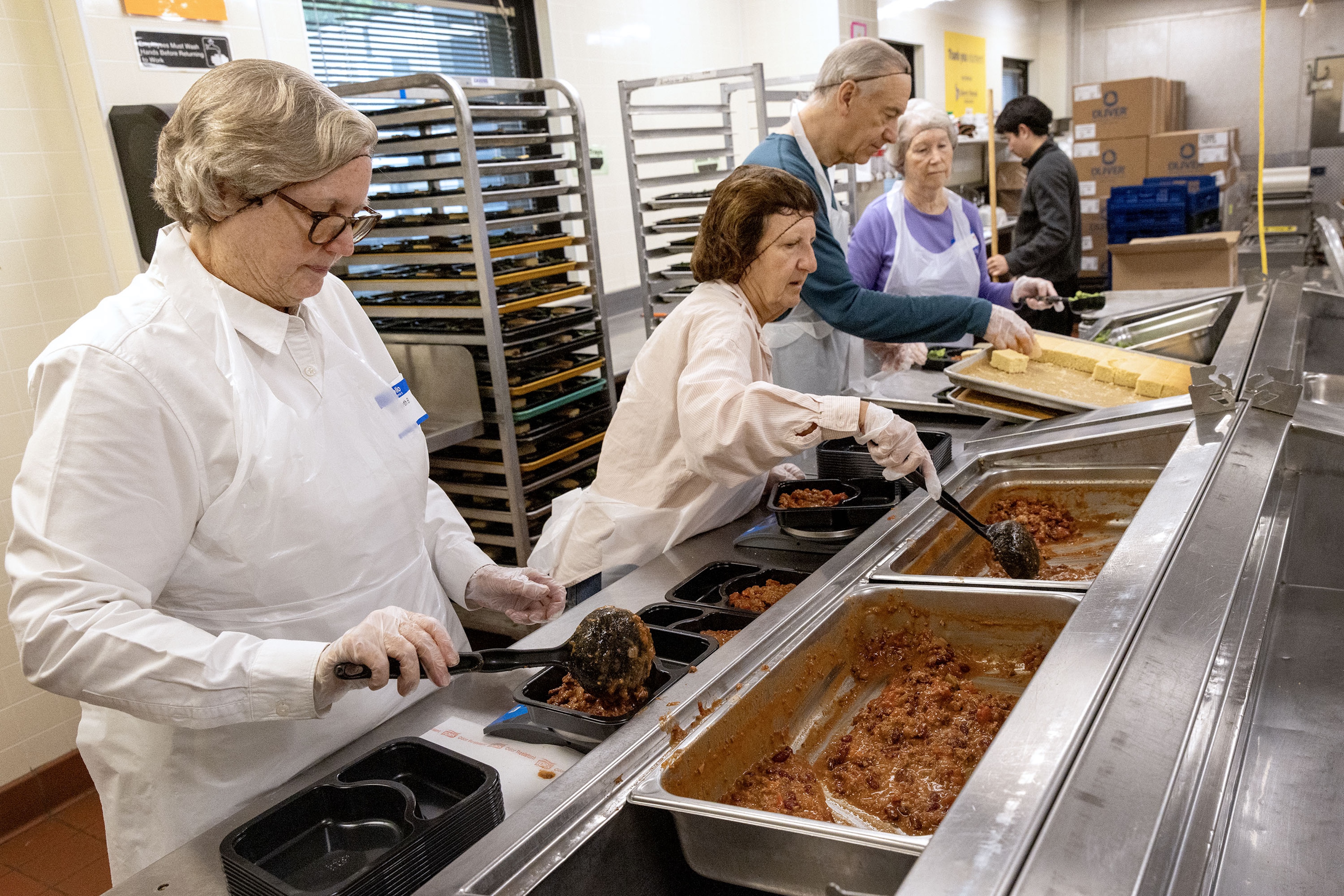
In a bustling kitchen in Boston, volunteers are engaged in preparing nutritious meals tailored for Medicaid patients unable to cook for themselves. This initiative, part of a growing trend towards medically tailored meals, aims to provide significant health benefits to individuals like Vanessa Georges, a throat cancer survivor. She credits these meals with not only restoring her strength but also reducing her medical visits.
Research supports her claims, suggesting that patients receiving such meal deliveries exhibit a significant decrease in healthcare utilization. A recent study in Nature Medicine identified a marked 20% reduction in emergency department visits and a 31% decrease in hospitalizations among the 1,900 Massachusetts residents who participated in the program for at least three months. Dariush Mozaffarian, a cardiologist at Tufts University and co-author of the study, emphasized that these findings signify potential cost savings for the healthcare system, noting, “That’s a really big deal because most things in healthcare don’t.”
Impending Budget Cuts and Policy Challenges
However, these meal delivery programs face an uncertain future. Under the "One Big Beautiful Bill Act," projected Medicaid funding is set to be slashed by more than $900 billion. This drastic reduction, backed by a cohort of Republicans concerned about federal spending, places programs like medically tailored meals at risk. Senator John Kennedy of Louisiana has criticized the misuse of Medicaid funds in programs addressing housing and nutrition, labeling the situation as “outrageous fraud.”
Amaya Diana, a policy analyst at KFF, highlights that states will grapple with difficult financial decisions ahead. “If states are not able to offset the loss of federal funds with new taxes or reductions in other state spending, they may have to make program cuts,” she explained. Currently, 13 states have received federal waivers allowing them to use Medicaid funds for meal delivery initiatives, while another three are awaiting approval.
The Trump Administration's Shift in Focus
The support for nutrition initiatives has grown inconsistent under the Trump administration. While the first term endorsed flexibility for states to implement social services, the subsequent phase rescinded earlier guidance that encouraged addressing social determinants of health through programs like medically tailored meals. Current indications suggest a shift towards a more cautious, state-level decision-making framework regarding such initiatives.
Kurt Hager, a nutrition program researcher from the University of Massachusetts, expressed concern, noting, “They signaled they’re going to be a lot more skeptical.” There’s an apparent tension within the administration as it simultaneously promotes healthier food initiatives and exhibits reluctance towards funding programs that alleviate healthcare costs through preventive measures. Health leaders, including Robert F. Kennedy Jr. and Mehmet Oz, have advocated for increased nutrition in healthcare settings, underscoring the irony of funding cutbacks for preventative solutions.
Regulatory Concerns and Quality Control
Despite the potential benefits, the integrity of these nutrition programs has come under scrutiny due to allegations of some providers billing Medicaid for subpar meals. Transparency and regulation in these initiatives are imperative to preserve their credibility and efficacy. Nonetheless, Community Servings in Boston stands out by focusing on meal quality, catering meals to individual health needs, with strict attention to dietary restrictions and preferences.
David Waters, the CEO of Community Servings, highlighted their approach, stating, “What we’re able to do is to work with your healthcare provider to understand your health realities and then prescribe a diet for you that is scratch-made.” The Massachusetts study revealed that the weekly cost of medically tailored meals at $125 was countered by an average $10,000 reduction in healthcare services for heart disease patients and $12,000 for kidney disease patients within a six-month period.
The Broader Impact of Poor Nutrition
National estimates suggest that close to 10 million Americans could benefit from access to medically tailored meals, indicating a significant gap in service availability. Mozaffarian argues that poor nutrition serves as the foremost cause of preventable healthcare spending, suggesting that well-implemented meal delivery programs could avert around 1.6 million hospitalizations annually and save approximately $13.6 billion in healthcare costs nationwide.
Personal Stories Highlighting the Importance of These Programs
For recipients like Steve Honyotski, 71, the difference is palpable. Living with chronic conditions such as diabetes, he has seen notable improvements in his health through consistent access to tailored meals. He reports needing less insulin and even delaying knee surgery due to weight loss since receiving the meals.
Despite the uncertain future, Massachusetts Medicaid director Ryan Schwarz remains steadfast in his commitment to these meal services, announcing plans to seek federal approval for continued funding. On the other hand, North Carolina's experience illustrates the precarious balance between budget constraints and the proven efficacy of support programs. After initial budgetary concerns led to suspended services, state lawmakers reversed course, deciding to partially fund similar initiatives, indicating a potential trend for other states facing imminent cuts.
As advocates and lawmakers discuss the future of such nutrition programs, the forthcoming decisions will significantly impact the health and well-being of vulnerable populations reliant on quick access to medically tailored meals. The ongoing debate encapsulates the need for a more integrated approach to healthcare that prioritizes nutrition as a pivotal factor in achieving better health outcomes.
This article reflects partnerships among various media including WBUR, NPR, and KFF Health News.
KFF Health News is dedicated to producing in-depth journalism focused on health-related issues and operates as part of KFF, a independent health policy organization.
Discussion
Sign in to join the discussion.