Despite alarming rates of black lung disease among miners, regulatory delays could worsen their already precarious health situation.
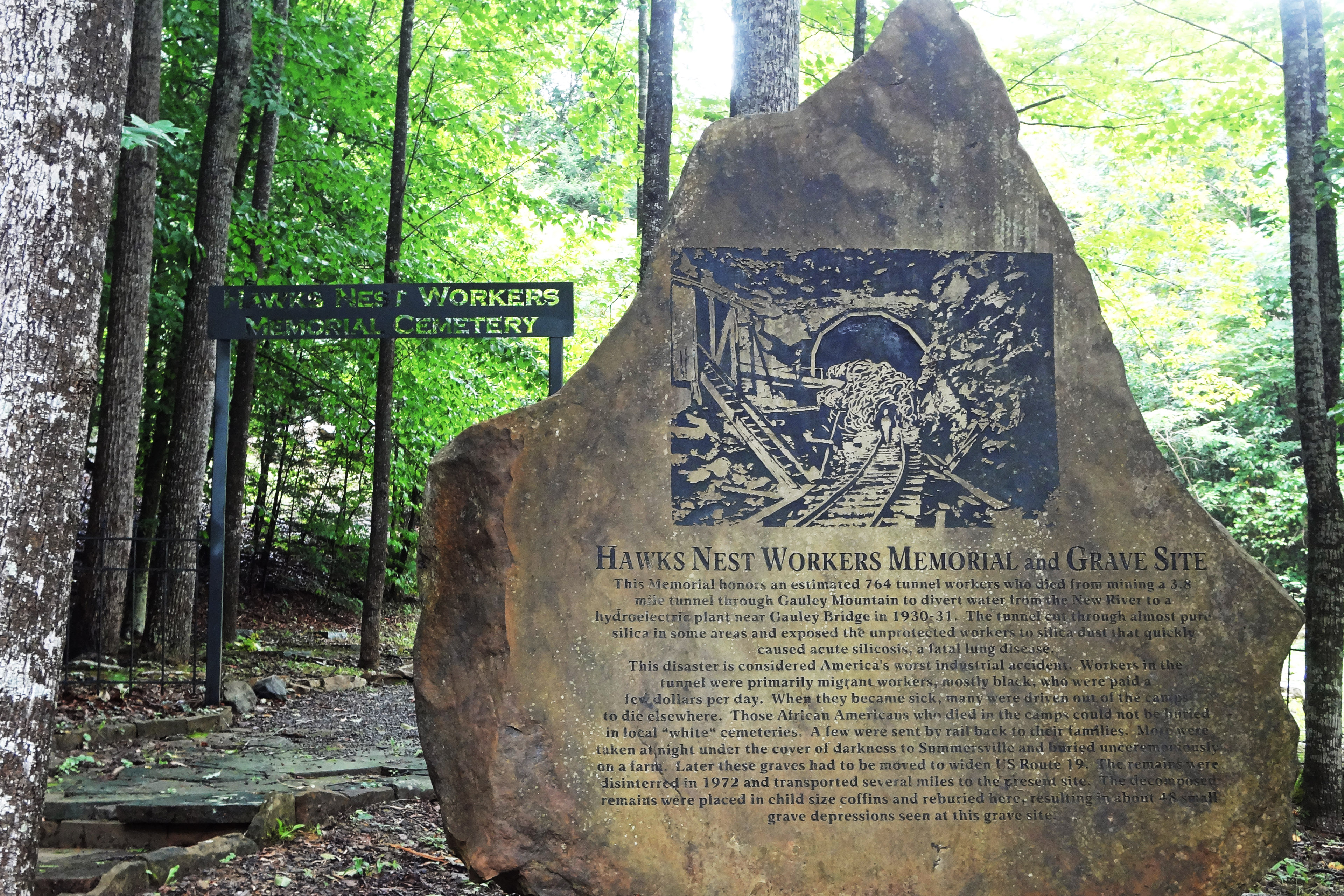
In Oak Hill, West Virginia, the issues surrounding black lung disease are echoed daily at New River Health's Breathing Center. Lisa Emery, the center's director, frequently witnesses the dire consequences of inadequate regulations on miners’ health, recalling a grim parallel to the historical Hawks Nest Tunnel disaster, which resulted in the deaths of over 750 miners from silica dust exposure nearly a century ago.
The alarming persistence of black lung disease, characterized by debilitating respiratory symptoms, remains a pressing issue as miners continue to face hazardous working conditions. Recent data from the National Institute for Occupational Safety and Health (NIOSH) illustrates the severity of the situation, revealing that nearly 30% of miners tested in central Appalachia are now diagnosed with the disease—the highest rate recorded in 50 years. This statistic marks a stark increase from the 20% noted in 2018, signaling a troubling trend that has health advocates like Emery and others on high alert.
Despite these escalating concerns, efforts to enhance protections for coal miners are stumbling. The Trump administration suspended enforcement of a critical rule aimed at limiting silica dust exposure in coal mines significantly. This regulation would adjust the acceptable silica dust levels to align with existing limits in other high-risk industries. Since that suspension in April of last year, the Department of Labor's Mine Safety and Health Administration (MSHA) announced an indefinite delay on implementing the rule, further jeopardizing miner health.
Advocates for miners, including Gary Hairston, president of the Black Lung Association, argue that legislative attention falls short, making it difficult to enact necessary reforms. Hairston, a retired coal miner himself, has long lobbied for improved working conditions and emphasized that current government responses seem inadequate, saying, “I’d just like them to look me in the face.” His pleas reflect the frustration of many miners, who struggle against not just their illnesses but also the burden of bureaucratic inertia.
The increasing prevalence of black lung disease correlates directly with heightened silica exposure as coal seams become more challenging to access. The shift toward deeper digs through sandstone creates harmful silica dust, which is known to be significantly more toxic than traditional coal dust. Specifically, NIOSH research indicates these silica particles are up to 100 times smaller than a grain of sand and can embed in lung tissue, leading to debilitating health complications.
Kenny Thompson, a retired miner who spent 22 years underground, recounted how even inhaling a small amount of the dust could induce severe health effects, leading to drastic medical interventions. After facing a lung removal due to complications from black lung, he now lives with constant struggles just to perform basic activities, demonstrating the long-term impact of this preventable disease.
The proposed silica rule carries the potential to reduce allowable silica exposure by half, compelling mining operations to implement engineering controls like improved ventilation systems and dust suppression techniques. However, industry representatives, including members of the National Mining Association, voice concerns that achieving compliance would necessitate additional measures that may not be feasible for all miners, particularly in smaller operations.
While the rule sits in a state of limbo, miners continue to face an uphill battle against deteriorating health. Younger miners, often thought to be less affected by the disease, are now presenting with severe symptoms previously associated predominantly with older generations of miners. Emery shares sobering accounts of young miners, as young as 30, being diagnosed with advanced stages of black lung, underscoring how the disease is not just a relic of the past but a contemporary crisis.
Beyond individual health crises, there are broader economic implications. Miners like Thompson reflect on the sacrifices made to provide for their families through their labor, only to confront the reality of being sidelined by an illness that they believe should have been prevented through stricter regulations. As parents and providers, these men grapple with both the physical and emotional toll of their conditions, highlighting the interconnected nature of health and economic stability in coal country.
Despite administrations changing their approach to coal policy, advocates like Hairston and Petsonk stress the necessity of upholding stricter health standards to protect miners. They accuse the government of stalling and prioritizing industry interests over miner safety, perpetuating a dangerous status quo. As the rate of black lung disease reaches alarming highs, the urgent need for action grows clearer—something that both mine operators and regulators must acknowledge moving forward.
Chris Williamson, who heads MSHA, insists that the rule is technically still in effect, even if unenforced. He expressed curiosity about reconciling industry needs with the imperative to enhance protections for miners, emphasizing that weakening these standards is not an option. Yet, the regulatory gridlock raises concerns that achieving compliance will persist as a challenge amidst ongoing health crises.
As discussions about future regulations unfold, families of miners are left grappling with the consequences of inadequate protections. Younger generations now bear the brunt of what was once considered a legacy issue, emphasizing that black lung disease's impact is no longer just the painful memory of their forebearers but a present and pressing danger that demands immediate resolution.
With strong voices advocating for miners' rights, the hope remains that focus will shift back to ensuring safe working conditions for those who dedicate their lives to the coal industry. The fight against black lung is ongoing, and as the urgency mounts, so too does the call for robust action to prevent a public health crisis from perpetuating.
KFF Health News delivers critical health journalism, shedding light on urgent issues within the sector.
Discussion
Sign in to join the discussion.