These tested home-gym picks make training more effective or save space, from digital-resistance strength systems to recovery tools and fitness trackers.
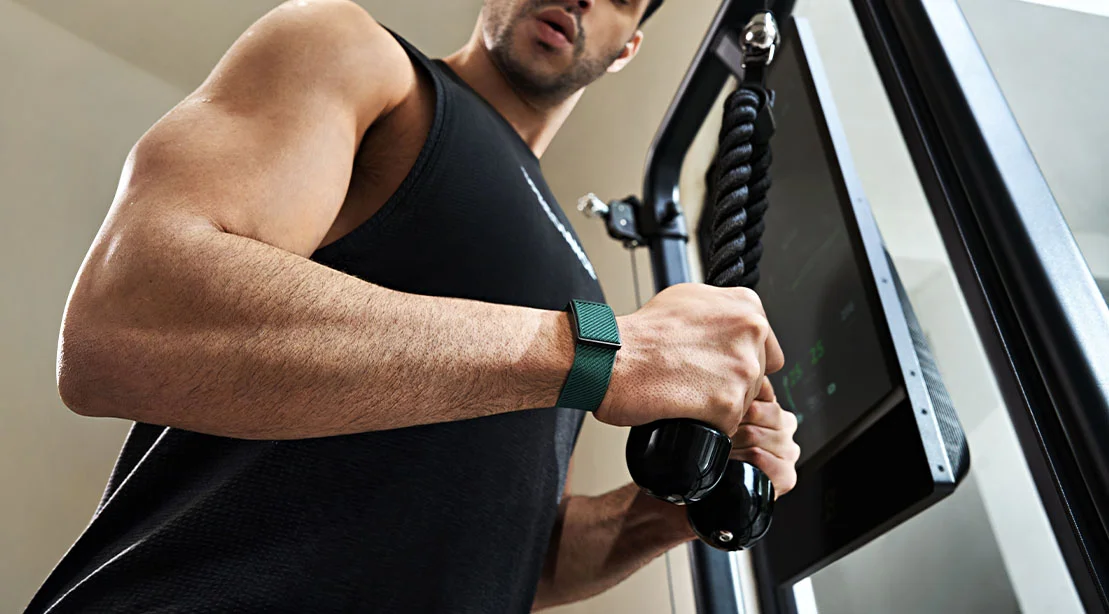
Home-gym technology earns its keep when it changes the workout or makes a cramped setup more useful. A cable machine that replaces several stations matters. So does a compact trainer that lets you progress at home. A screen full of features, by itself, doesn’t.
We use “high-tech” broadly: some of the most useful designs don’t need an app or display. We tested every product below alongside other home-gym and fitness equipment, and picked the ones that solved a real training, space, or usability problem.
How to Choose High-Tech Home-Gym Gear
Start with the workout, then consider where the equipment will live. Features only count if they make training better in practice.
Choose features you’ll use after the first week
During a session, good technology should offer something tangible: finer resistance control, useful feedback, or a way to guide your effort. A long feature list isn’t much of a selling point if most of it goes untouched once the novelty fades.
Make the equipment earn its space
Home-gym gear has to fit into everyday life, not just a workout plan. A large system can justify its footprint if it replaces several pieces of equipment. Smaller tools should be easy to store or useful enough to keep within reach. The best setup leaves you more room to train, not another obstacle to move before every session.
Our Picks at a Glance
Workout Equipment
- Speediance Gym Monster 3
- Speediance Gym Nano
- REP x PÉPIN FAST Series Adjustable Dumbbells
- ZeroWheel
- REP Strive Air Bike with VPR
- FED Fitness WB7 Adjustable Utility Weight Bench
- REP 3-in-1 Soft Plyo Box
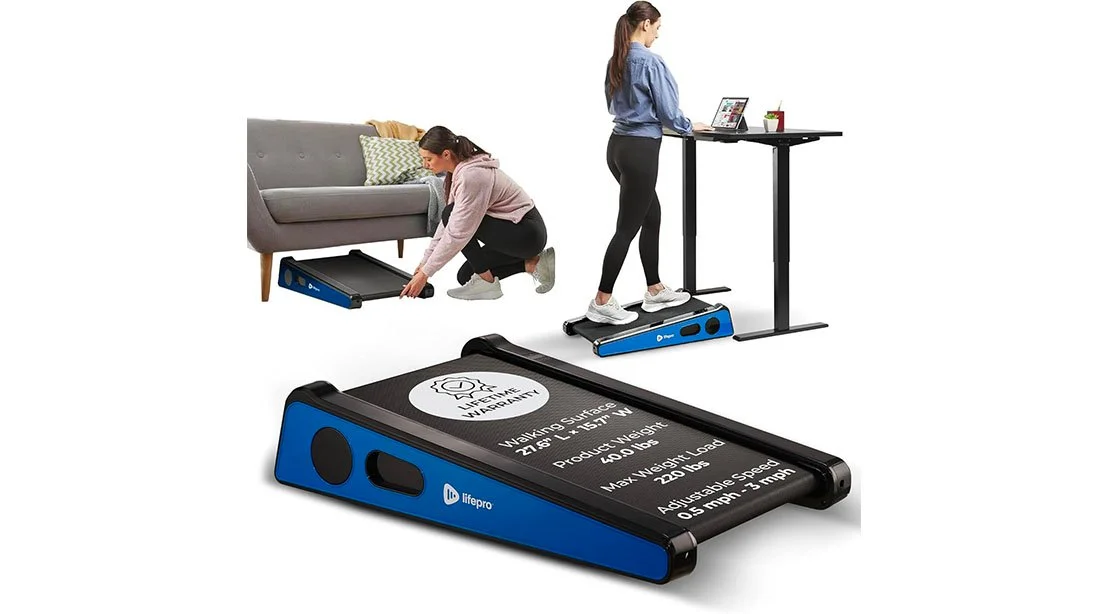
- LifePro PacerMini
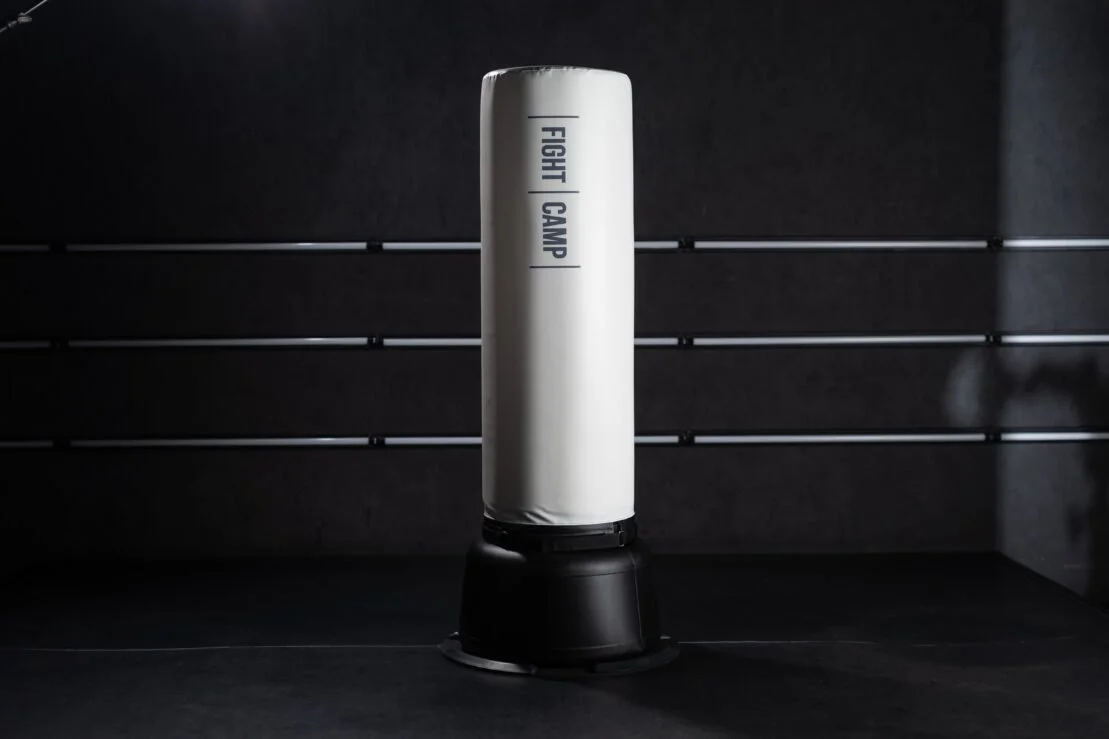
- Fight Camp
Recovery Tools
Tracking and Performance Tech
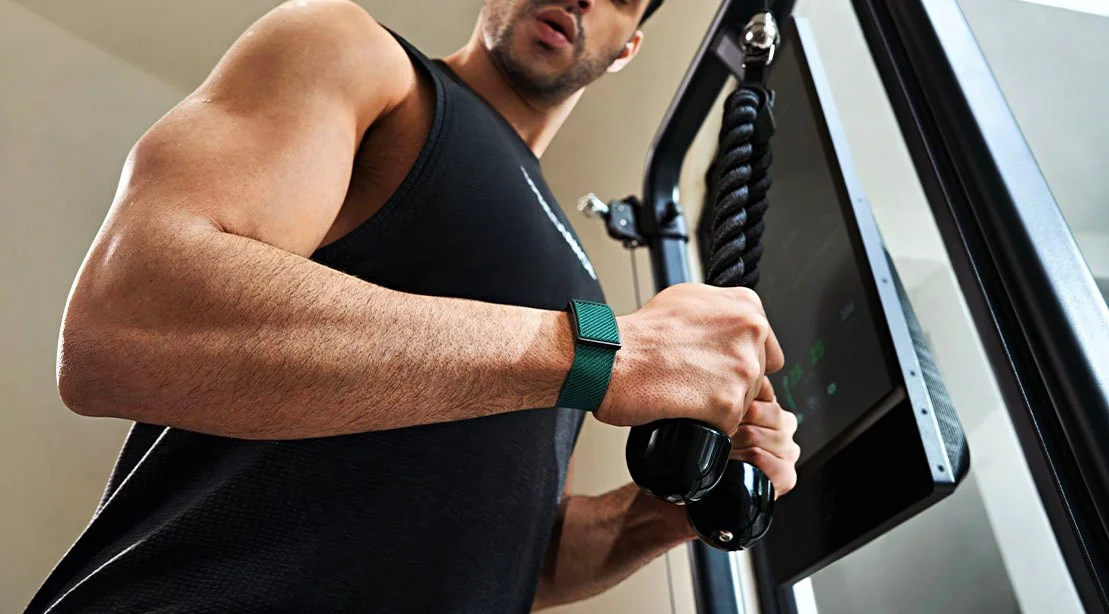
Best Smart Home Gym: Speediance Gym Monster 3
Buy the Speediance Gym Monster 3
Specifications
- Digital resistance: Up to 220 pounds
- Adjustment: 1-pound increments
- Touchscreen: 23.8 inches, 2560 x 1440
- Weight: 181 pounds
- Cable positions: 19 vertical and 1 bottom position
- Footprint: 9 square feet unfolded; 2.7 square feet folded
The Gym Monster 3 is capable enough to serve as the anchor of a home strength setup. In our testing, its adjustable cable positions and digital resistance covered both compound lifts and accessory work without requiring a collection of weight stacks. The 1-pound increments are a practical advantage: when a larger jump would change the feel or purpose of a set, smaller steps help preserve the intended load.
There’s useful thought in the controls, too. Smart Spotter tracks movement speed and can lower resistance when a rep begins to stall. A Bluetooth ring lets you engage or release the load without reaching for the touchscreen, while programmable cable engagement lets you choose when resistance starts. Those controls are especially relevant if you train alone.
Pros
- Digital resistance up to 220 pounds
- Adjustments in 1-pound increments
- Smart Spotter and Bluetooth ring controls
- Folds to a 2.7-square-foot footprint
Cons
- At 181 pounds, it’s awkward to move
- The 220-pound ceiling may constrain stronger lifters on some lower-body exercises
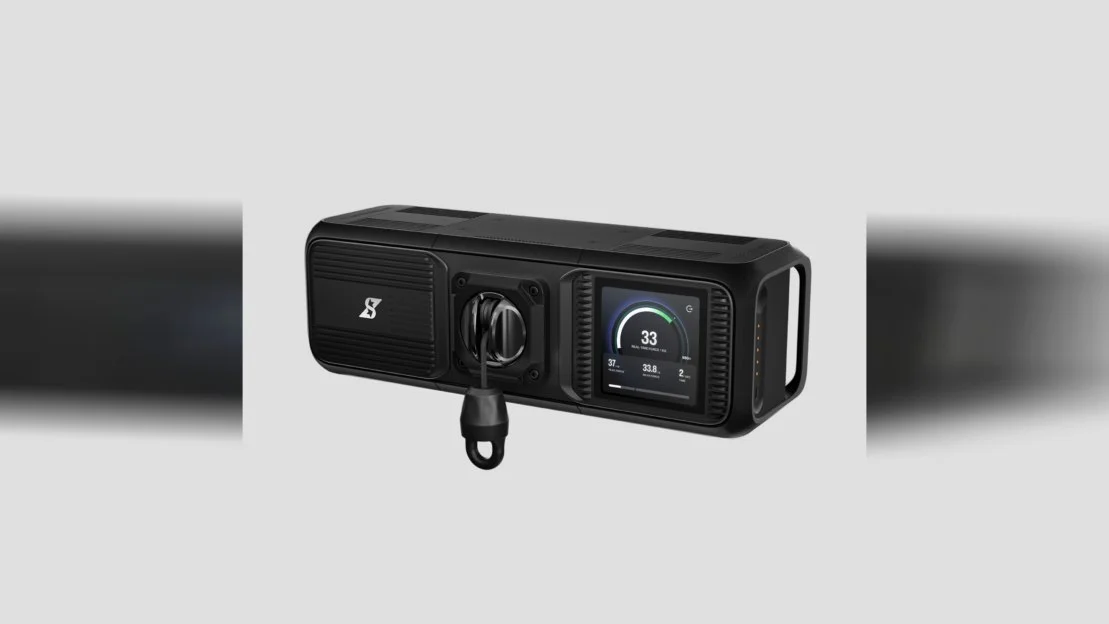
Best Portable Smart Trainer: Speediance Gym Nano
Specifications
- Digital resistance: Up to 220 pounds
- Adjustment: 1-pound increments
- Weight: 18.1 pounds
- Cable range: 16.7 feet
- Maximum cable speed: 21 feet per second
- Display: 4 inches, 720 x 720
- Training modes: Standard, Chain, Eccentric, Fixed Speed, and Sled
At 18.1 pounds, the Gym Nano is portable; its capabilities are anything but slight. The 16.7-foot cable range allowed us to move beyond standard cable exercises, and resistance goes up to 220 pounds for heavier strength work. Sled Mode adds another option for dynamic training.
The training record is a bigger part of the appeal than a simple resistance readout. Nano can run baseline assessments, save data for individual sets, and build a history you can compare across sessions. Power, movement speed, and rate of force development provide athletes and coaches with more performance information to work from.
Pros
- Smart resistance up to 220 pounds
- 16.7-foot cable range
- Performance assessments and training history
- Portable 18.1-pound build
Cons
- How and where you can train depends on the mounting setup
- Bilateral cable exercises require two Gym Nano units
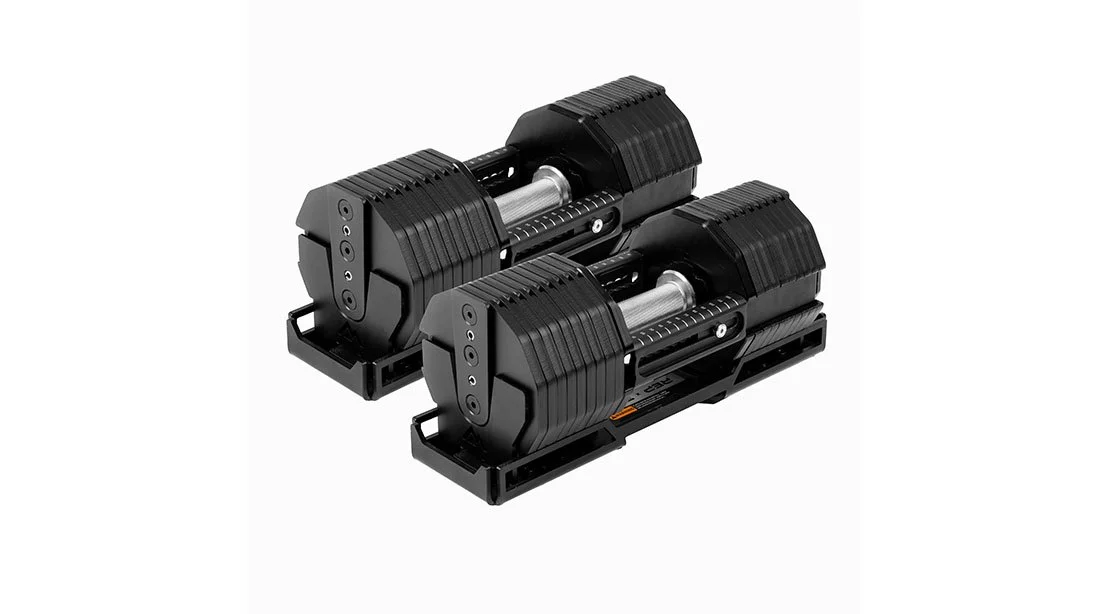
Best Adjustable Dumbbells: REP x PÉPIN FAST Series Adjustable Dumbbells
Buy the REP x PÉPIN FAST Series Adjustable Dumbbells
Specifications
- Weight range: 10 to 125 pounds per dumbbell
- Available pairs: 85, 105, or 125 pounds
- Standard adjustments: 10-pound increments
- Micro adjustments: 2.5 or 5 pounds
- Maximum length: 18.3 inches
- Handle: 34mm nickel-plated handle with volcano-style knurling
- Construction: All-metal dumbbells and cradles
Fast weight changes are the point here. Magnetic pop-pins move along the side rails for 10-pound adjustments, and you can change the setting while the dumbbell is out of its cradle—a useful detail during drop sets. The included 2.5-pound microplates allow smaller increases when a full 10-pound jump is too much.
The dumbbells also reach 125 pounds without growing beyond 18.3 inches at their heaviest setting. That combination gives stronger lifters room to work without an especially long adjustable dumbbell. The 85- and 105-pound versions can be expanded later, and the cradles expand with them, so the initial purchase doesn’t have to set your long-term weight limit.
Pros
- Up to 125 pounds per dumbbell
- Quick magnetic pop-pin adjustments
- Expandable weight capacity
- Maximum length of 18.3 inches
- All-metal construction, extensively drop-tested
Cons
- The 10-pound starting weight may be too heavy for some lighter exercises
- Making 2.5-pound changes requires adding microplates by hand
Most Innovative Core Trainer: ZeroWheel
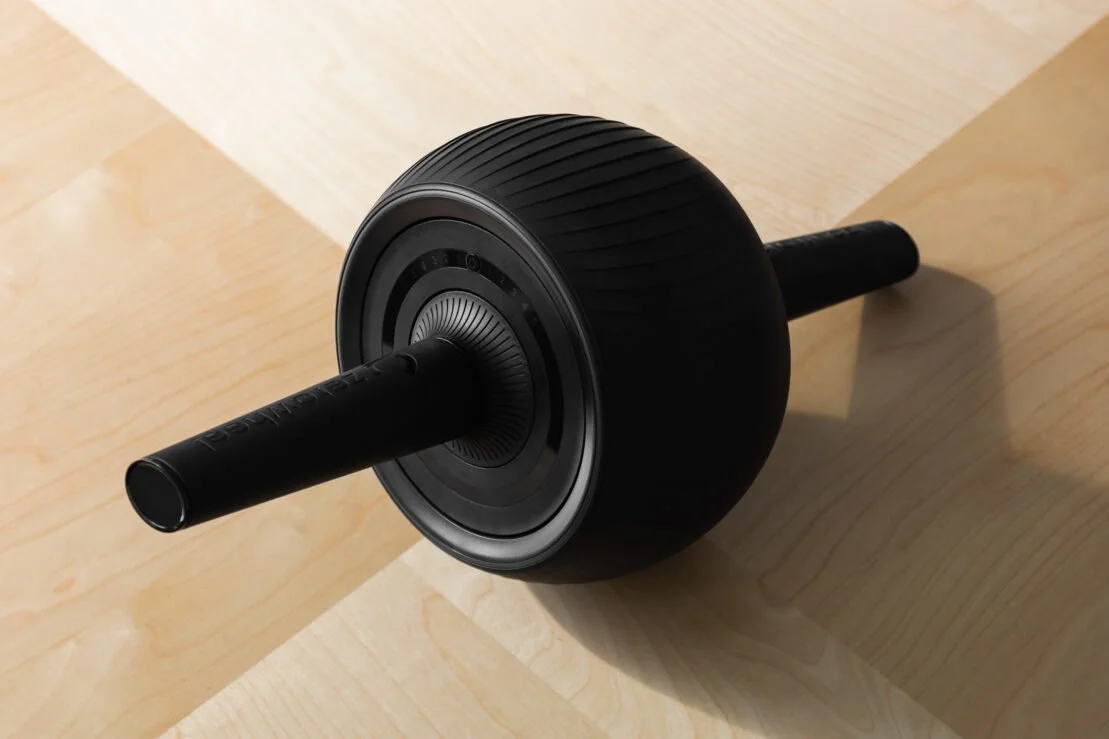
Specifications
- Size: 18 x 8.4 x 8.4 inches
- Weight: 12.2 pounds
- Battery life: About four hours of continuous use
- Motor torque: 10.5 N·m
- Training system: Adjustable motorized assistance and resistance
Ab-rollout progressions can be unforgiving: moving from a shortened range to a full rollout may be a substantial jump. ZeroWheel gives you more control over that step. Motorized assistance can reduce the load while you learn the movement; resistance settings add a challenge once standard rollouts become too easy. Its motorized modes also support exercises beyond the rollout, broadening the device’s use beyond what its shape suggests.
The ZeroWheel Fitness app rounds out the package with an exercise library, workouts, and programs built for the device. Tutorial videos offer guidance on unfamiliar movements, and live tracking provides feedback during a session. That means you can follow a prepared workout instead of having to plan every exercise yourself.
Pros
- Adjustable assistance and resistance
- Free app with guided workouts and programs
- A clear progression path
- Compact, portable design
Cons
- More specialized than most strength equipment
- Expensive for a core-focused device
Best Cardio Equipment: REP Strive Air Bike with VPR
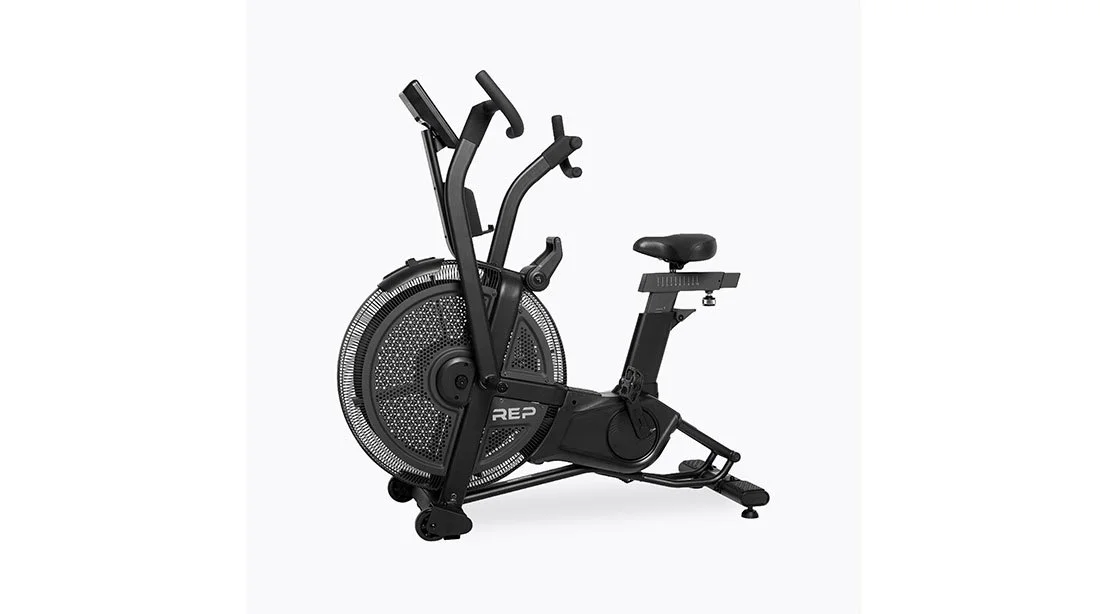
Buy the REP Strive Air Bike with VPR
Specifications
- Resistance: 8 VPR levels
- Drive system: Dual-stage belt drive
- Weight: 146 pounds
- Maximum user weight: 350 pounds
- Dimensions: 57.41 x 27.23 x 53.24 inches
- Connectivity: Bluetooth/FTMS and ANT+
Most air bikes tie resistance closely to how fast you pedal. REP’s Variable Pitch Resistance system takes a different approach: it adjusts the fan-blade angle, letting you increase resistance without simply raising your cadence. During testing, that made it easier to set the effort for steady conditioning or hard intervals.
Some of the bike’s smaller design choices matter for regular use. A magnetic fan cover lets you adjust how much air blows back toward you, and the ratcheting seat adjustment speeds up position changes compared with a traditional pull pin. The Strive weighs 146 pounds and takes up more room than many basic air bikes, so make sure the added control suits your space.
Pros
- 8 adjustable VPR levels
- Resistance can change independently of cadence
- Adjustable magnetic fan cover
- Bluetooth/FTMS and ANT+ connectivity
Cons
- Heavy at 146 pounds
- Larger footprint than many basic air bikes
Best Adjustable Bench: FED Fitness WB7 Adjustable Utility Weight Bench
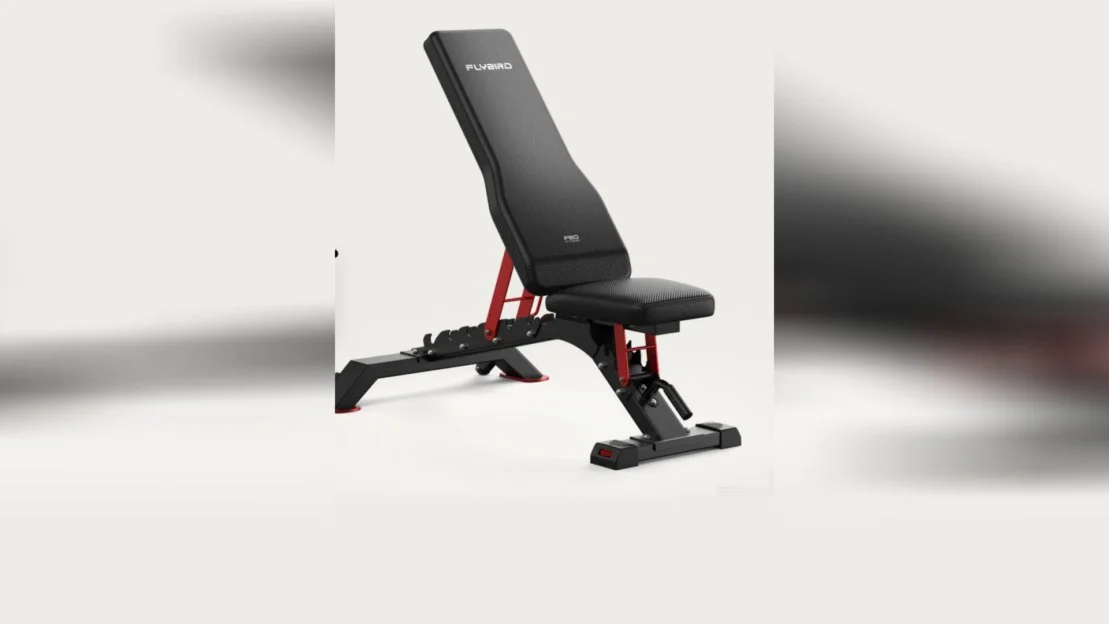
Best Space-Saving Training Tool: REP 3-in-1 Soft Plyo Box
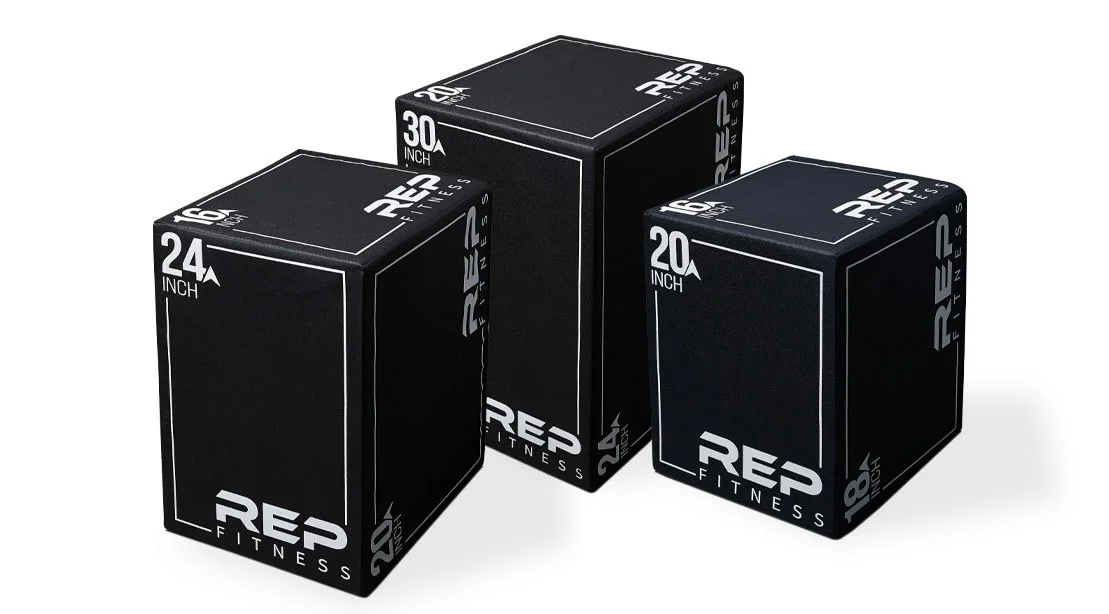
Best Walking Pad: LifePro PacerMini
Best Conditioning Workout: FightCamp
Recovery Tools
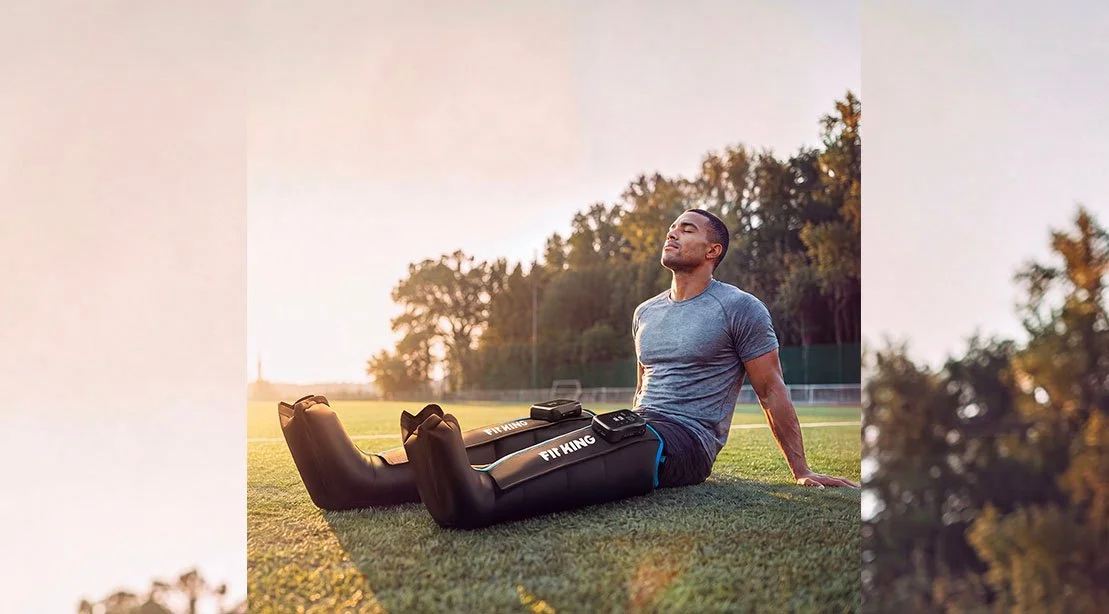
Best Compression Boots: FIT KING FT-130A
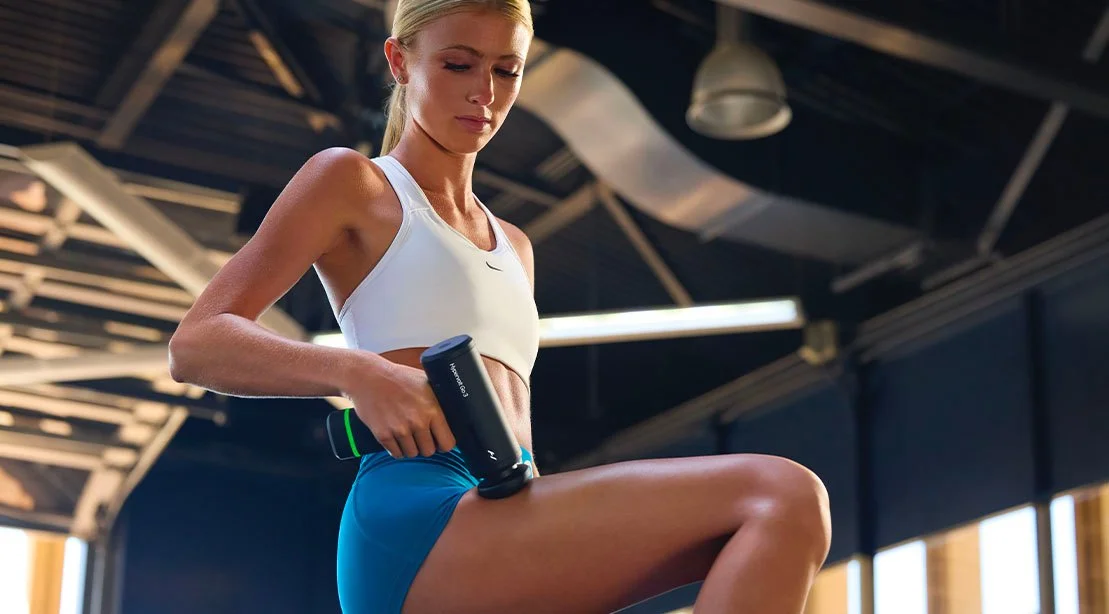
Best Portable Massage Gun: Hyperice Hypervolt Go 3
Tracking & Performance Tech
Best Performance Tracker: Garmin fēnix 9 Pro
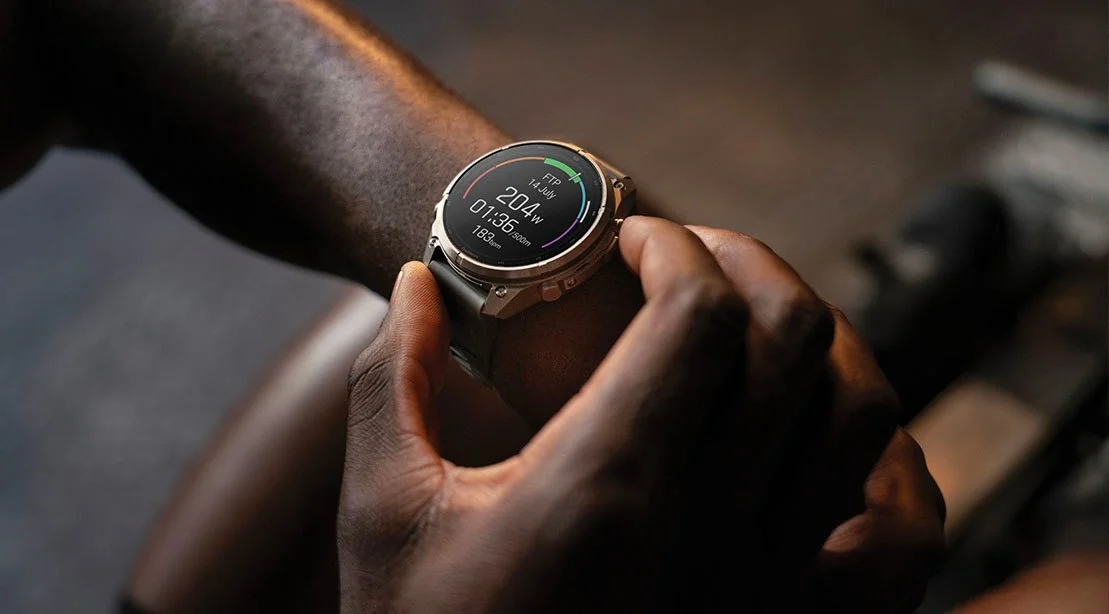
Garmin’s training watch earns its place outdoors, too. Multi-band GPS and onboard maps handle route finding, while the built-in LED flashlight is handy before sunrise or after dark. Some versions include inReach connectivity for satellite communication. The trade-off is a 47mm case that may overwhelm smaller wrists, plus a feature set that takes time to learn.
Pros
- Detailed training and recovery metrics
- Tools for tracking stamina
- Built-in maps and multi-band GPS
- Integrated LED flashlight
Cons
- The 47mm case may feel large on smaller wrists
- It takes time to learn the extensive feature set
Best Multisport Headphones: H2O Audio TRI 2 PRO Multi-Sport with PLAYLIST+
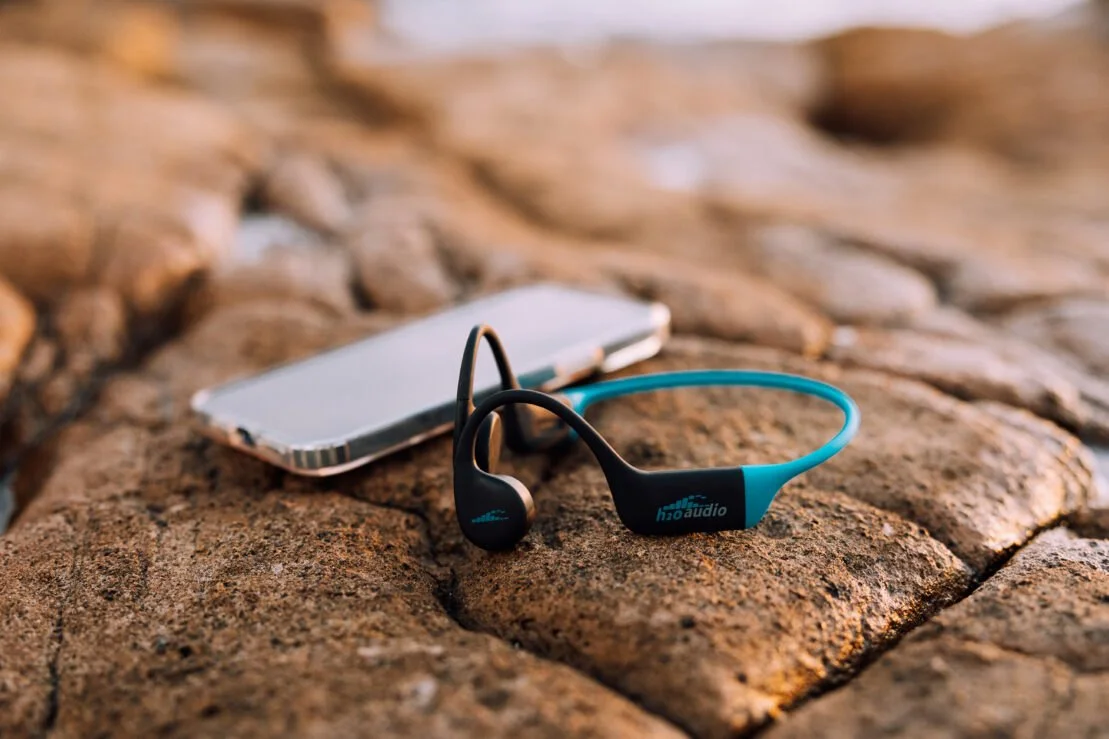
Product specs
- Audio: Bone conduction
- Waterproof rating: IPX8
- Maximum submersion: 12 feet
- Storage: 4GB
- Bluetooth: 5.3
- Battery life: Up to 9 hours in Bluetooth mode; 6 hours in memory mode
- Offline playback: PLAYLIST+ and built-in MP3 player
- App: H2O Audio PRO app
The TRI 2 PRO’s best idea is PLAYLIST+: it records audio playing over Bluetooth to the headphones’ 4GB of onboard storage. That gives you a way to take streaming audio offline, provided you record it before you lose your phone or connection. For swimmers, that preparation matters: Bluetooth doesn’t transmit underwater, so music has to be stored on the headphones before you get in.
That limitation is easy to miss if you’re buying these mainly for the pool. But the open-ear bone-conduction design also suits runs, rides, and outdoor training, where keeping your ears uncovered can be useful. The IPX8 rating supports submersion to 12 feet, and the H2O Audio PRO app handles music, folders, software updates, and PLAYLIST+ recordings.
Pros
- PLAYLIST+ records streaming audio for offline listening
- IPX8 waterproofing for submersion to 12 feet
- Open-ear bone-conduction design
- Built-in 4GB MP3 player
- Up to 9 hours of Bluetooth playback
Cons
- Bluetooth doesn’t work underwater
- PLAYLIST+ audio must be recorded or loaded before going offline
Why trust us
Every product in this roundup was tested firsthand and compared with gear used in home gyms, training facilities, recovery routines, and everyday fitness. The aim was to see whether a product’s design or technology made a practical difference during use.
That testing reflects a strength-and-conditioning perspective: does the gear support more useful training, make consistent use easier, or solve a problem that actually comes up in a home gym? Those were the standards products had to meet to make the list.
M&F Editors contributed to this article.


Discussion
Sign in to join the discussion.