Governors-elect in Georgia, Kansas, Texas and Wisconsin campaigned on Medicaid expansion, but new federal rules and divided legislatures complicate the path.
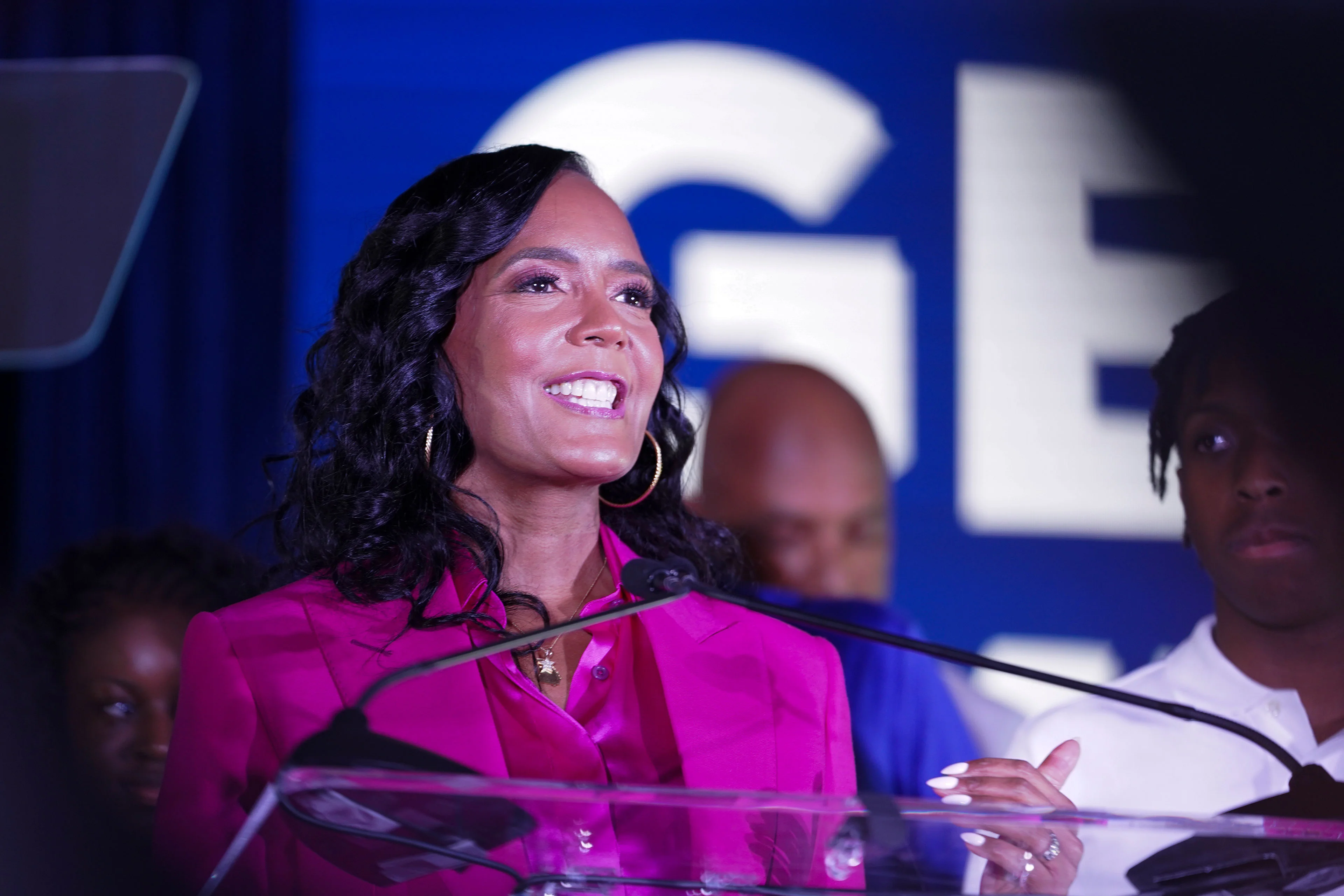
Medicaid expansion has a fresh set of political champions in Georgia, Kansas, Texas and Wisconsin. Turning campaign promises into coverage will be harder: new federal funding limits, work rules and state legislative arithmetic have changed the cost and complexity of expanding the program.
More than a million people across the four states could gain coverage under full expansion, based on 2024 estimates from KFF. The incoming governors — Keisha Lance Bottoms in Georgia, Cindy Holscher in Kansas, Gina Hinojosa in Texas and David Crowley in Wisconsin — all campaigned on broadening access to Medicaid for people with low incomes or disabilities. Their proposals now face different obstacles in each state.
Federal policy has altered the calculation
The Affordable Care Act envisioned wider Medicaid eligibility, but a 2012 Supreme Court decision made expansion optional for states. Forty states and Washington, D.C., have since adopted it; North Carolina was the most recent, in 2023. Georgia and Wisconsin have stopped short of full expansion while providing some coverage to people who would qualify under a broader program.
The federal terms have shifted since those decisions were made. Last year’s Republican budget law eliminated a financial bonus previously offered to states that newly expanded Medicaid. It also capped certain provider taxes that states use to support hospitals and doctors serving Medicaid patients. The limits are tighter for expansion states, adding a potential cost to joining the program.
That provision looms especially large in Wisconsin. The Wisconsin Hospital Association estimates that full expansion could put hundreds of millions of dollars in federal funding flowing to the state at risk. Bobby Peterson, a Madison attorney who helps clients navigate benefit programs, expects the proposal to face resistance even though Democrats will control the governor’s office and both legislative chambers starting in January. “These are going to be hard conversations,” he said.
The trade-offs are not all financial. Expansion brings a higher federal matching rate for the newly eligible group, and covering more people can reduce the volume of uncompensated care that hospitals absorb. Those benefits have historically attracted support from hospitals and rural officials concerned about local facilities. But states still need to pay their share, and provider funding limits make the arithmetic less straightforward.
“It’s a lot of complicated math,” said Lawson Mansell, a senior health policy analyst at the Niskanen Center. Caylee Noggle, a former Georgia Medicaid director who now leads the Georgia Hospital Association, described the choice as unsettled: “We’re in this real moment where there are benefits and trade-offs to traditional expansion.”
Work rules add an administrative test
The same federal law also requires many Medicaid enrollees to document at least 80 hours a month of work or another qualifying activity. The rule creates political and administrative questions for governors who campaigned on expanding coverage, particularly as Democrats have pledged to repeal Medicaid cuts in the federal law without specifying how they would do it. It is also unclear whether President Donald Trump would support a change.
Federal policy uncertainty makes state planning more difficult, said Brian Blase, president of the Paragon Health Institute. States may have to build systems to administer the work rules even as national lawmakers debate whether those rules should remain. The White House said on Nov. 13 that states could delay implementation for six months from the Jan. 1 start date, following pushback.
Georgia has already seen the enrollment consequences of administrative requirements. Its limited Pathways program, which covers some adults with low incomes, is scheduled to expire at the end of the year. Work rules and reporting requirements have made it harder for eligible people to enroll. Other states with Medicaid expansion are also struggling to prepare for the new federal requirements.
Edwin Park, a research professor at Georgetown University’s Center for Children and Families, warned that added paperwork could leave people uninsured even if a state expands eligibility. That concern puts the practical design of enrollment systems alongside the legislative vote: eligibility on paper does not guarantee people can complete the process.
State politics will determine the next steps
Wisconsin’s Crowley has sent mixed signals about the form expansion should take. He backed full expansion early in his campaign, then proposed allowing anyone to buy into the state’s partial Medicaid program. Since winning, he has moved further from full expansion. His campaign did not answer questions about which approach he would pursue; spokesperson Jonathan Fera said Crowley would share more about his agenda after inauguration.
Texas presents a different divide. Hinojosa’s campaign highlighted access to care, and former Democratic U.S. Representative Beto O’Rourke said the stories she heard from people struggling to get health care had made a strong impression. “It’s clear that this is a priority for her,” he said.
But Texas Republicans will retain control of the state Senate, even as Democrats take the governor’s office and a majority in the state House. John Henderson, president and CEO of the Texas Organization of Rural & Community Hospitals, doubts the Senate will reverse its longstanding opposition. “There was an appetite in the House, but never enthusiasm in the Senate,” he said.
The scale of Texas’s private insurance market is part of the debate. More than 4 million Texans selected Affordable Care Act marketplace plans for 2026, according to KFF data. Expansion opponents have argued that eligible people should remain in private marketplace coverage rather than join a government program. Hinojosa’s challenge will be to make the case for expansion in a state where that alternative already serves millions.
Kansas faces a legislature controlled by Republicans in both chambers. Holscher will replace Democratic Governor Laura Kelly, whose attempts to expand Medicaid did not pass. Democrats broke the Republican supermajority in the state House in the latest election, but Republicans kept control of the House and Senate. Holscher’s campaign did not respond to questions about how she would pursue expansion under those conditions.
April Holman, executive director of the Alliance for a Healthy Kansas, sees the Democrats’ gains as an opening for renewed debate. “This is the most encouraging group coming in — in a very long time,” she said, describing the incoming House members.
For all four governors, the immediate test is whether the promise can be translated into a plan that survives state politics and federal rule changes. The coverage opportunity remains substantial, but expansion now requires careful decisions about financing, enrollment administration and the kind of program each state is prepared to sustain.



Discussion
Sign in to join the discussion.