Fat isn't the enemy; type matters. Swapping saturated and trans fats for unsaturated ones like olive oil may lower LDL cholesterol and support heart health.
Fat's Reputation Problem
Fat has had a rough few decades. In the low-fat '80s and '90s, the advice was to avoid it almost entirely. Now the pendulum has swung toward eating certain fats freely, so long as you pick butter or beef tallow over seed oils. The seed oil advice is hard to square with the evidence, since those oils don't offer much nutritionally. The fat-or-no-fat binary was never very useful.
Your body needs fat. It helps you store energy, absorb nutrients, and cushion your organs. How much you benefit depends on two things: how much you eat and what kind it is.
Part of the problem is that fat packs more calories per gram than any other macronutrient. That density is why it gets blamed for so much. Jordyn P. Fantuzzi, M.S., R.D., a clinical dietitian at the Center for the Prevention of Cardiovascular Disease at NYU Langone Health, points out that the real issue is specific types. Some are clearly tied to a higher risk of cardiovascular disease. Her advice is to watch your total intake and the quality of what you're eating, and to fold fat into a varied diet rather than treating any single food as a fix.
Two experts helped break down the differences and point to the best sources. One is Michael Farbaniec, M.D., a cardiologist at Penn State Health. The other is Fantuzzi.
Why unsaturated fat beats saturated fat and trans fat
The main dividing line is cholesterol. Saturated and trans fats are typically solid at room temperature, think butter or lard. They can raise low-density lipoprotein, or LDL, the kind of cholesterol that builds up as plaque and narrows arteries. That's why guidelines recommend keeping saturated fat to less than 10% of daily calories.
Unsaturated fats are liquid at room temperature, like olive oil, and they tend to behave better in your bloodstream. Swap saturated fats for unsaturated ones and LDL levels can come down, which may protect the heart. Some research also suggests unsaturated fats may favorably affect how the body handles high-density lipoprotein, or HDL, the "good" cholesterol that helps move excess cholesterol out of the body.
The picture isn't clean, though. Most foods are blends. Butter has saturated fat, but it also carries some unsaturated fat. Plenty of whole foods mix all three types. Fantuzzi's view is that you can still get the benefits from the healthier components even when less healthy ones come along for the ride. The practical goal is simple: eat more unsaturated fat and less saturated fat, not the reverse.
The two main types of unsaturated fat
Monounsaturated fats, or MUFAs, have a single double bond in their chemical structure, according to Farbaniec. The most common is oleic acid, which shows up in olive, canola, peanut, and sesame oils, as well as avocados and most nuts. Palmitoleic acid and vaccenic acid are less familiar members of the group. Fantuzzi says these fats support cell health, help you feel full, and can lower inflammation.
Polyunsaturated fats carry two or more double bonds. This group includes omega-3 and omega-6 fatty acids. Both are considered essential because your body can't make them, so food is the only source. Omega-6s are abundant in corn, safflower, sunflower, and soybean oils, along with certain nuts and seeds. Omega-3s come from flaxseed, chia seeds, walnuts, and canola and soybean oil.
Polyunsaturated fats can improve your cholesterol profile too. Omega-3s offer an extra benefit: they lower blood triglycerides, which supports heart health, Fantuzzi notes.
Foods experts actually recommend
Extra-virgin olive oil
Olive oil earns its reputation. It's loaded with monounsaturated fat and also contains polyphenols, plant antioxidants that may help lower blood pressure and improve insulin resistance, according to Farbaniec. His practical suggestion is to use it as your default cooking oil in place of butter, drizzle it over roasted vegetables, or whisk it with lemon and garlic for a quick dressing. One caveat: it's calorie-dense, so measure it instead of pouring freely.
Fatty fish
Farbaniec ranks fatty fish, such as sardines and salmon, near the top for heart health. They supply EPA and DHA, two omega-3s that are hard to get from other foods. He recommends two servings a week, and both fatty acids have been linked to better heart health and possibly brain function. Some research even connects omega-3s to slower biological aging. Fried fish is the exception. Farbaniec warns that frying tends to cancel out the benefits, leaving you with something closer to a mix of good and bad fats.
Chia and flaxseeds
Chia seeds are a plant-based source of unsaturated fat with a favorable ratio of omega-3 to omega-6, Fantuzzi says. Flaxseeds provide plenty of the same compounds, according to Farbaniec. Both are also good sources of fiber, which is a bonus. A tablespoon of flaxseed blended into a smoothie is an easy addition. Chia seeds soaked overnight in yogurt or milk make a portable breakfast.
Edamame
Edamame pairs a solid dose of fiber and protein with monounsaturated fat, and Fantuzzi thinks it's underrated. If you're not sure how to cook it, buy frozen, pre-shelled beans to skip the prep. Defrost them in the microwave or overnight in the fridge, then steam and toss with diced cucumber or avocado and a splash of low-sodium soy sauce for a simple side salad.
Nuts
Nuts combine fiber, protein, and healthy fat in one package. Walnuts add something more, according to Farbaniec: they contain alpha-linolenic acid, or ALA, which has antioxidant properties that may give them an extra edge for heart health. Sprinkle them on yogurt or oatmeal, or just eat a handful on their own.
Avocado
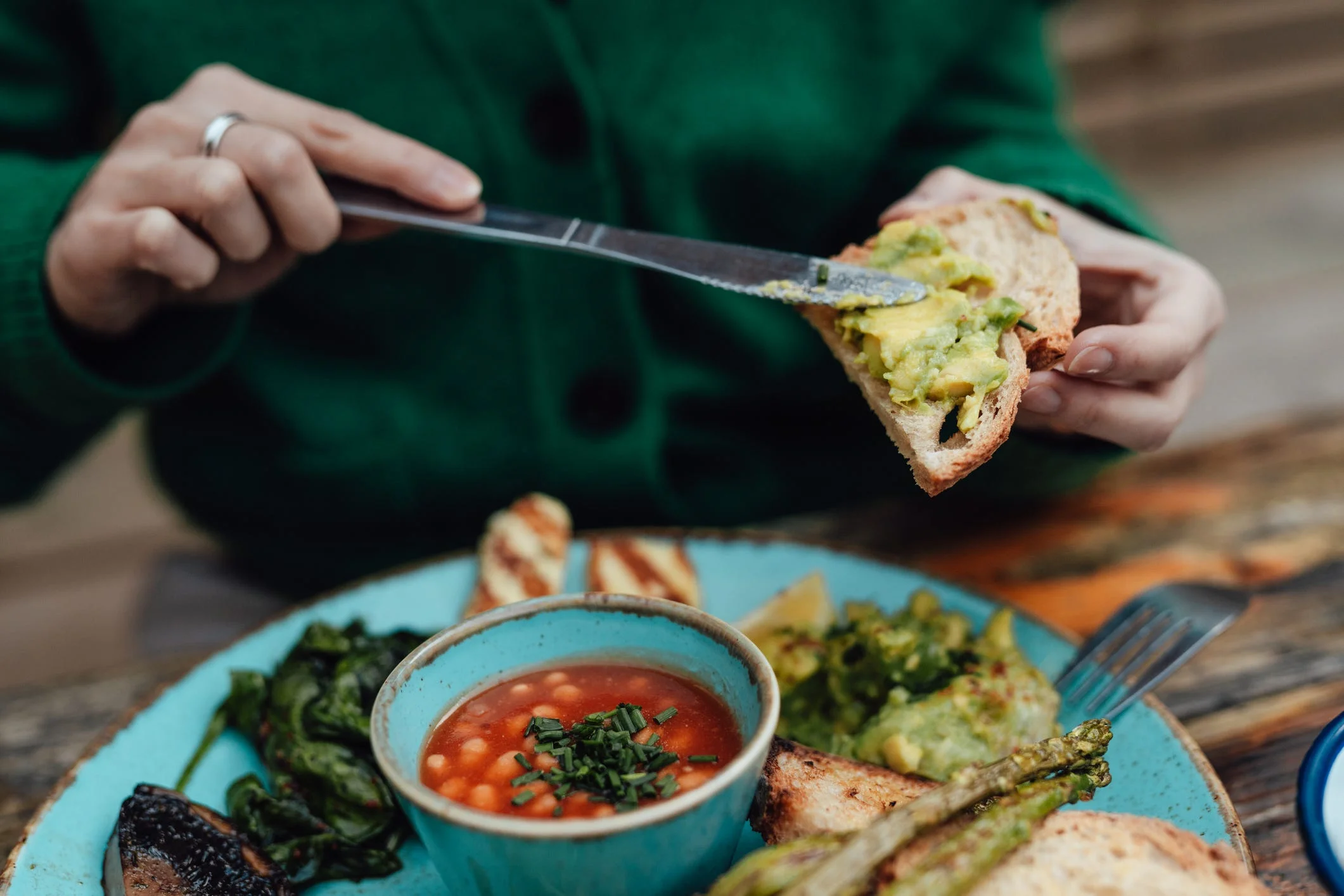
Farbaniec's personal favorite is avocado. It delivers fiber and potassium, and in some recipes it can stand in for solid saturated fats like butter. He likes it on toast or as a mayonnaise substitute in sandwiches. Its mild flavor is flexible enough to work in sweet dishes too, including avocado pudding.



Discussion
Sign in to join the discussion.