Insoles can ease plantar fasciitis and arch strain. Start with an affordable over-the-counter pair, and see a podiatrist if several fail to bring relief.
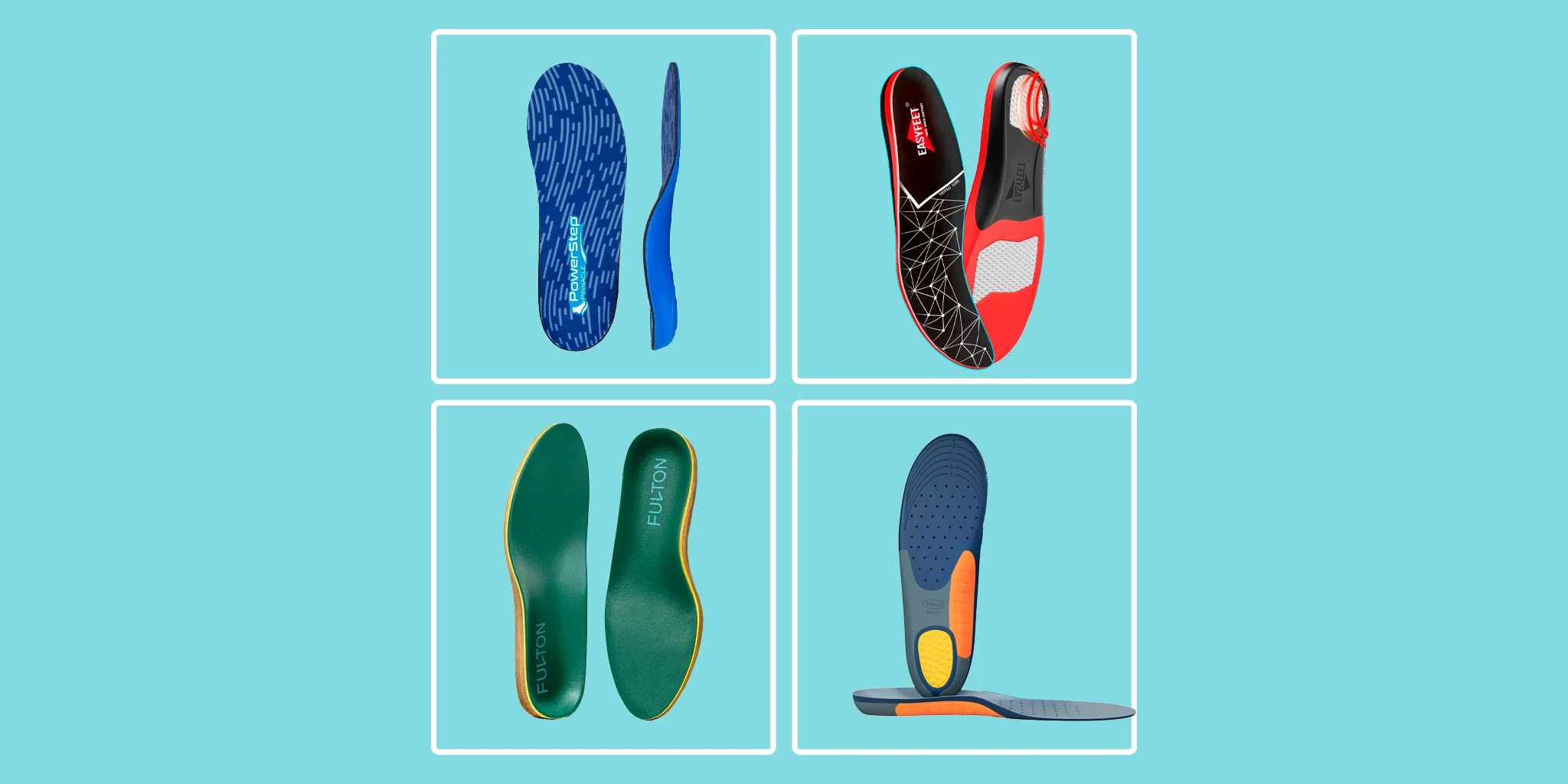
Why a cheap insole can outperform a new pair of shoes
Plantar fasciitis, overpronation, wide feet, bunions: a surprising amount of foot trouble comes down to how weight moves through the arch. Insoles won't fix every problem, but they can take real pressure off the places that hurt. Not everyone needs orthotics. If foot pain or discomfort is already getting in the way, though, the extra support is worth understanding. The catch is that insoles aren't interchangeable. The right one depends on your ailment, your foot type, and how you walk.
Orthopedic foot and ankle surgeon Kenneth Jung, M.D., who practices at Cedars-Sinai Kerlan-Jobe Institute in Los Angeles, puts the mechanism plainly: "A shoe insert can externally support the arch, thus reducing the stress or load on the arch." Support is only part of the story. A good insole can also absorb shock, add structural support, and cradle the heel, which steadies the ankle and helps the foot line up properly.
The conditions that send people looking for insoles
Plantar fasciitis is one of the most common reasons chronic foot pain sticks around. It's inflammation of the thick band of tissue that runs from the heel bone to the toes, and it tends to show up as aching, burning, or cramping in the heel or arch. Pain that bad can make a normal day feel impossible. Insoles are often the first thing to try, and they're a far cheaper starting point than a surgeon's appointment.
Custom orthotics aren't cheap, and they aren't always necessary. Podiatrists do recommend a range of over-the-counter options, and that's where most people should begin. If you've tried several pairs without relief, that's the signal to book a visit. A podiatrist can measure your arch, foot shape, and gait, then tell you whether a custom device is worth the money.
The picks that stand out
The Dr. Scholl's pair takes the top overall spot, and the reasons are practical. It costs $14.97, has a contoured heel cup, and uses cushioning that soaks up shock. For most people, that combination of price and comfort is hard to argue with.
If you want something heavier on the padding, EasyFeet ($29.99) is built for long stretches on your feet. It offers firm arches, cushioned pads under the forefoot to help absorb shock, and extra-deep heel cups for added comfort.
Anne Sharkey, D.P.M., a board-certified podiatrist at North Austin Foot & Ankle Institute, is a fan of the PowerStep Pinnacle. "The PowerStep Pinnacle is a full-length, podiatrist-designed insole that has firm but flexible arch support," she says. "The Pinnacle features a dual-layer shock absorption system for cushioning and a deep heel cup to aid in alignment and support." The insert is meant to address plantar fasciitis, Achilles tendinitis, shin splints, and other common foot pain. Its contoured neutral arch cradles the foot and heel and gives you stability and motion control.
Sharkey also points to lightweight, moldable materials like cork. Over time, they conform to the particular shape of your foot, which means a custom-feeling fit without the custom price tag. They ease strain gradually, spread pressure across the foot, and encourage better alignment, which can help with comfort in the ankles, knees, and back. That's a lot to ask of a shoe insert, and it's one reason joint pain sits in the same conversation as foot pain.
I wore the Fulton ($52) on my wedding day, when I had unsupportive dress shoes on for more than 12 hours. It kept my feet from giving out, and I stayed comfortable on the dance floor until the wee hours. That's a personal test, not a clinical one, but it's the reason it's on this list.
Wide feet and overpronation need different answers
Finding shoes that fit wide feet is hard enough. It gets harder if you're dealing with bunions, hammertoes, or swelling, which can make even a roomy shoe feel tight. The good news is that the market for wide-specific insoles is large. Our pros picked a Dr. Scholl's pair for its extra-wide fit, which you can trim to size. Every insole offers some shock absorption, but this one adds extra support throughout, along with a specialized heel pad and a forefoot "crash pad" that spreads pressure. The arch is moderate, so it's a sensible first insole if you're new to them.
Insoles only work as well as the shoe around them. Pair them with wide walking shoes for the best stability.
Overpronators need a different approach. "Insoles—also known as orthotics—can be used to provide relief from and support for overpronators," says Gregory Alvarez, D.P.M., a podiatrist at Ankle & Foot Centers of America. Depending on the design, they can add arch support, correct alignment, absorb impact when you walk or run, and make your shoes more comfortable overall.
The Superfeet All-Purpose Support High Arch Insoles are built for overpronators with flat feet. They provide a strong arch that lifts the foot where it needs help most. They're thick, comfortable, and durable, and they carry the American Podiatric Medical Association (APMA) seal, which is a meaningful endorsement in this category. Superfeet rates them for 500 miles of use, and you can trim them to fit your shoes.
What to look for before you buy
Arch support comes first. Supporting the structure of your foot reduces fatigue and pain. Sharkey's point is that the right arch support can also improve comfort in your ankles, knees, and back, and make movement a little more efficient.
Materials matter more than marketing. Hillary Brenner, D.P.M., a podiatric surgeon in New York City, says the best orthotic materials are rigid, naming polypropylene and carbon graphite. Cork and memory foam take a different route. They mold to your feet over time, which makes them a good choice if you want something that adapts.
Prioritize shock absorption. Prolonged standing puts pressure on your feet, and that leads to discomfort, fatigue, and conditions like plantar fasciitis, according to Bobby Pourziaee, D.P.M., a board-certified podiatrist at Rodeo Drive Podiatry in Los Angeles. Soft cushioning absorbs that load, which reduces fatigue and joint pain. Look for shock-absorbing material placed specifically under the arch and heel, since that's where the pressure that causes pain tends to concentrate.
Break them in slowly. Your body needs time to adjust to better alignment, and Brenner recommends starting with one hour of wear on day one, two hours on day two, and three hours on day three. After that, you can wear them all day. Because they take a beating from constant use, podiatrists suggest replacing them every four to five years.



Discussion
Sign in to join the discussion.