Editors tested mineral sunscreens for different skin types and tones, finding comfortable formulas that protect from UV rays without a chalky finish.
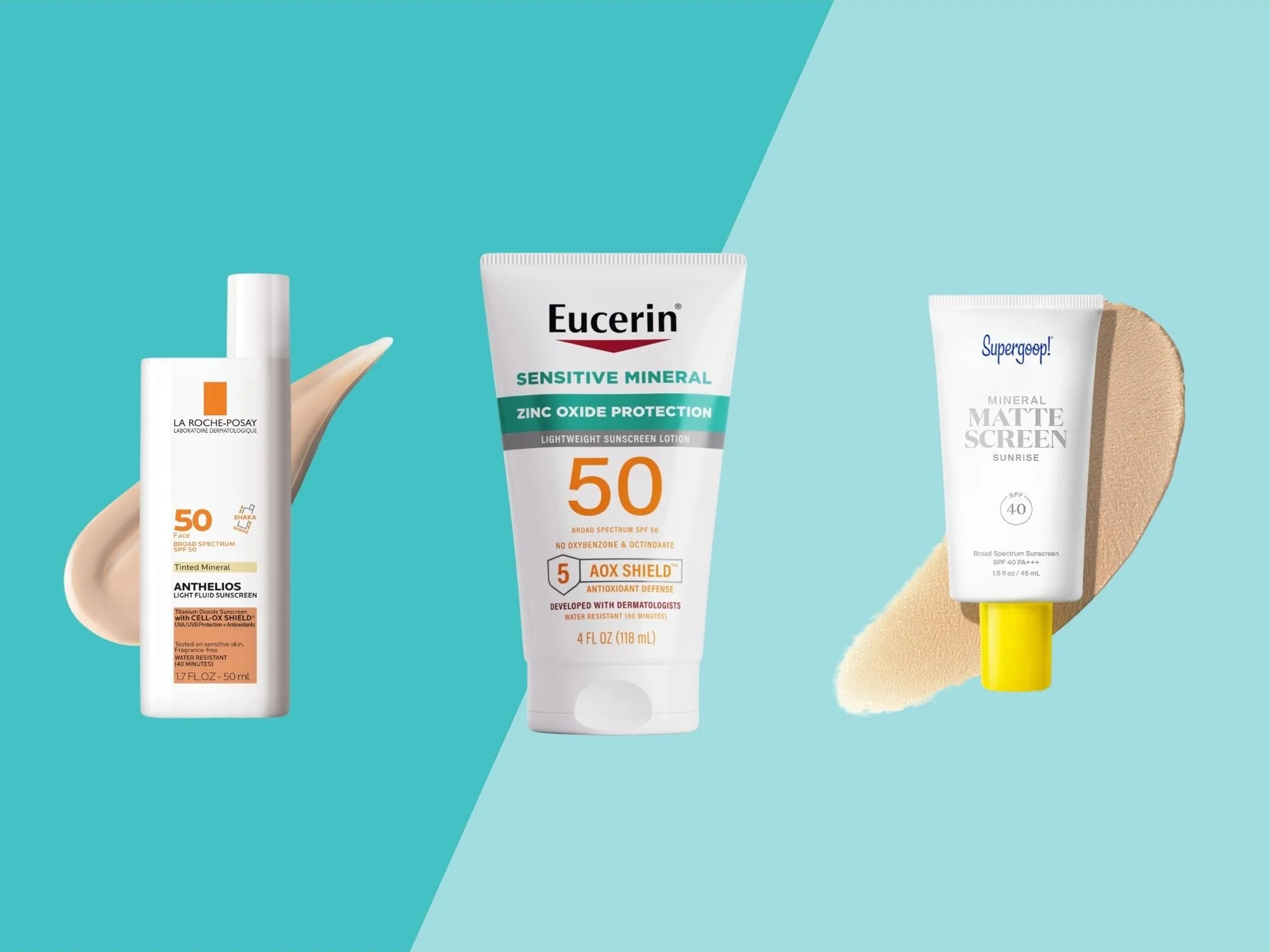
The best mineral sunscreens have to solve two problems at once: protect skin from UV rays and avoid the chalky finish that made older formulas hard to wear. Our editors tested these picks for different skin types and tones, and each formula goes on without leaving a white cast.
We may earn commission from links on this page, but we only recommend products we back. Why Trust Us?
Why choose mineral sunscreen?
Bemotrizinol is a newer sunscreen active: the FDA approved it for use in the U.S. in June. But mineral sunscreens remain a familiar option, using zinc oxide and titanium dioxide to filter UVA and UVB rays while sitting on the skin’s surface. Dermatologist Marisa Garshick of Medical Dermatology & Cosmetic Surgery in New York says that can make them a good fit for people with sensitive skin, since they “tend to be less irritating.” The stronger formulas can also offer skin care benefits, from a healthy-looking glow to help repairing damage.
Here’s the catch: mineral sunscreen has long been associated with a visible white cast. Brands including La Roche-Posay, Sun Bum, and CeraVe have adjusted their formulas to address that problem, and many of the picks here are tinted. If you’re choosing a sunscreen for daily wear, texture and finish matter; protection only helps when you’ll actually put it on.
How we chose these sunscreens
We reviewed products and online feedback, tested sunscreens ourselves, and spoke with dermatologists. Our editors have also evaluated the best facial sunscreens, sunscreens for oily skin, and tinted moisturizers with SPF. The list below reflects that testing and expert input, with options for a range of skin types and tones.
Our expert panel included Joshua Zeichner, M.D., board-certified dermatologist and director of cosmetic and clinical research in dermatology at Mount Sinai Hospital in New York City; Marisa Garshick, M.D. of Medical Dermatology & Cosmetic Surgery (MDCS) in New York; Angela Casey, M.D., board-certified dermatologist and skin cancer specialist at the Center for Surgical Dermatology in Ohio; Jennifer David, D.O., founder of Skin & Scripts Virtual Dermatology in Pennsylvania; Meghan Feely, M.D., board-certified dermatologist in New Jersey and New York City and clinical instructor at Mount Sinai; Janiene Luke, M.D. of Loma Linda University’s Faculty Medical Group in California; Brianna Olamiju, M.D.; and Dr. Nava Greenfield, both board-certified dermatologists in New York City.
Editor and dermatologist favorites
La Roche-Posay’s Anthelios earns frequent recommendations from dermatologists and Prevention editors. It pairs broad-spectrum SPF 50 with 100% mineral UV filters in a fluid texture that’s light enough for everyday use, says Brianna Olamiju, M.D.. She also points to its suitability for sensitive skin. Editors describe it as fragrance-free, noncomedogenic, and hydrating enough to wear under makeup.
For an everyday lotion with water resistance, Sun Bum’s mineral sunscreen offers up to 80 minutes of protection. It’s fragrance-free, mattifying, and slightly tinted to soften the white cast; the brand also describes it as vegan and cruelty-free. The tint may be helpful if you’re browsing other tinted sunscreens. Dr. Garshick says its 20% zinc oxide provides broad-spectrum UVA/UVB SPF 50 coverage, while shea butter, cocoa butter, and vitamin E help nourish skin. Its fragrance-free formula may also suit sensitive skin.
Supergoop!’s Mattescreen is the mineral counterpart to the brand’s Unseen Sunscreen. Dr. Olamiju recommends its SPF 40 broad-spectrum protection for people with oily skin or those who wear makeup: the light, primer-like finish helps control shine and layers well under makeup. Prevention Senior Commerce Editor Charlotte Finigan says it feels so light she can forget she applied it, leaving skin silky while providing UV protection.
CeraVe’s mineral sunscreen brings ceramides to help skin hold onto moisture. The oil-free, noncomedogenic formula also includes niacinamide to calm redness, making it a candidate for facial use. Board-certified dermatologist and Mount Sinai clinical instructor Meghan Feely, M.D., approves of the formula. In an editor’s test, it gave skin a noticeable glow and became a summer daily pick.
Prefer an untinted option from the same brand? Dr. Nava Greenfield, a board-certified dermatologist with Schweiger Dermatology Group in New York City, recommends CeraVe’s Invisible Mineral Sunscreen, which combines ceramides, glycerin, and niacinamide for hydration and a smooth application without a thick cast.
One formula described by Dr. Garshick uses zinc oxide and titanium dioxide in particles too large to penetrate the skin, with SPF 50 broad-spectrum coverage. Its bottle changes color under UV light as a reminder to reapply. Organic aloe makes it suitable for sensitive skin, and the formula avoids ingredients that could harm reef life.
Options for specific skin concerns
EltaMD UV Clear Blemish-Prone & Oil Balancing needs a qualification: it’s a hybrid sunscreen, combining zinc oxide with the chemical filter octinoxate, so it isn’t purely mineral. For acne-prone skin, that lower zinc oxide load may help avoid the pore-trapping sweat some people experience with high concentrations. Dr. Greenfield says this version is designed for oilier, acne-prone skin that might break out with the brand’s regular UV Clear formula.
Octinoxate can be a concern for some sensitive skin types. EltaMD’s formula also includes niacinamide, which can help buffer irritation, and lactic acid, which hydrates and exfoliates. That mix may explain its appeal, though the formula’s hybrid status is worth keeping in mind if you’re specifically seeking mineral-only protection.
Another option has a sheer universal tint intended to blend across skin tones. Dr. Casey says it suits most skin types, while dermatologist Janiene Luke, M.D. recommends it for its hyaluronic acid and antioxidants. Dr. Olamiju points to SPF 50 broad-spectrum protection, iron oxides, and antioxidants, which may help people managing melasma or post-inflammatory hyperpigmentation protect against UV and visible light. An editor found its semi-matte finish especially appealing in winter.
Eucerin Sensitive Mineral Sunscreen is designed for face and body, including sensitive skin. Joshua Zeichner, M.D., a board-certified dermatologist in New York City, says the lightweight, mineral-only lotion spreads over larger areas, rubs in without a harsh white cast, and offers 80 minutes of water resistance. Dr. Olamiju describes it as a straightforward, fragrance-free choice for easily irritated skin.
If you like scented skin care, Dr. Jart’s sunscreen may be a fit across skin types, including sensitive skin. Reviewers praise its quick absorption, lightweight feel, and matte finish. Dr. Garshick says the K-beauty formula combines zinc oxide and titanium dioxide for broad-spectrum coverage and feels light on the face without a greasy or heavy finish.



Discussion
Sign in to join the discussion.