Posture bras can cue shoulder position, but they work best alongside exercise. Physical therapists explain what to look for and compare five options.
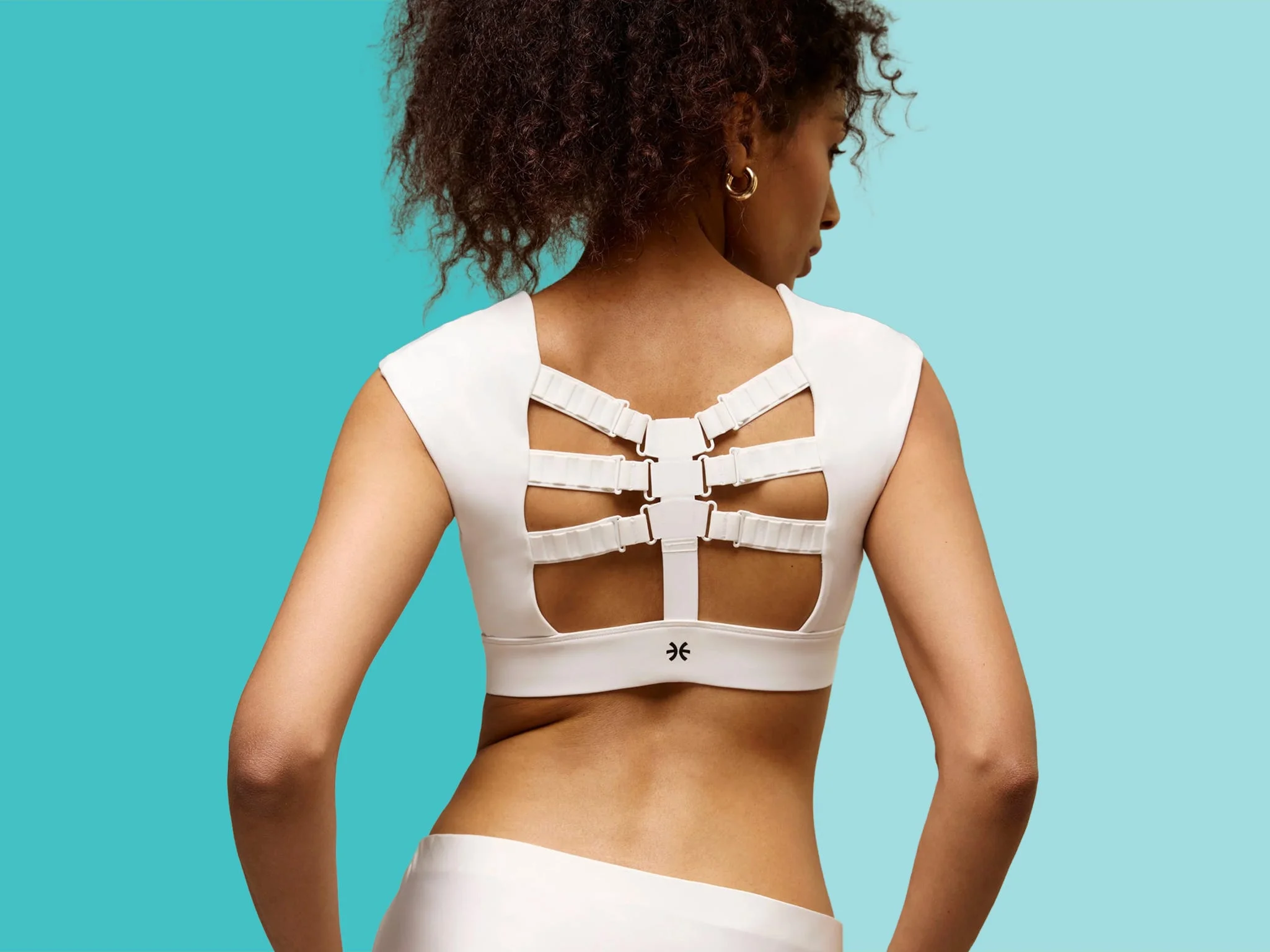
A posture-correcting bra can offer a physical cue to draw the shoulders back, but it won’t build lasting posture on its own. That distinction matters when comparing a handful of specialist designs with the many inexpensive listings that promise similar support.
Support that works alongside training
Karena Wu, D.P.T., a board-certified orthopedic physical therapy specialist and clinical director of ActiveCare Physical Therapy, says a true posture bra typically uses criss-cross or reinforced straps, or supportive panels, to guide the shoulders back. That tension can also encourage engagement from the muscles across the back, shoulders, and spine.
Wu says these bras may suit people who need additional support while exercise or therapy is taking time to help, provided they have adequate muscle strength and body awareness and can comfortably tolerate support around the ribcage, breasts, and shoulders. People recovering from injury or managing chronic pain should speak with a health professional before trying one.
Anna Di, D.C., C.E.S., a chiropractor and corrective exercise specialist at Unity Chiropractic Wellness, describes the garment as scaffolding: it offers a guide, but the body still needs strength to support itself. Her point is practical. A bra may help cue alignment during wear; it shouldn’t replace exercises that build the capacity to maintain posture without it.
Five options for different needs
Forme Power Bra: Forme’s best-known model uses tension fabric and double-layered posture panels. Wu and Karen Litzy, P.T., D.P.T., owner of Karen Litzy Physical Therapy in New York City, recommend it. Wu says its clean lines sit smoothly under clothing, and shoppers can choose padded or unpadded versions. It’s designed to provide support similar to a sports bra.
Prevention senior commerce editor Charlotte Lewis Finigan reported that the Power+ Bra helped her posture during workouts. She paired it with core-strengthening exercises and said her alignment and muscle memory improved. She also reported that her back pain had nearly disappeared after combining the bra with that training routine. Her experience reflects one person’s results, rather than a guarantee for every wearer.
Haci: For shoppers who want to try the concept at a lower price, Haci’s bra uses a criss-cross back to guide the shoulders. Its hook-and-eye closure makes it easier to put on, and reviewers describe the pull as gentle rather than forceful. The available details make it a starter option for someone who wants to assess the fit and feel of a posture bra before choosing a more specialized model.
Leonisa: The brand’s wireless design is aimed at everyday wear, including time at a desk. It has adjustable padded straps, a criss-cross back, a front hook-and-eye closure, and removable padding. Wu notes that the front closure is convenient, though the bra’s construction is visible as conventional lingerie. Leonisa also sells a cotton version and a “lightly lined” version; the source reports that both have received favorable reviewer feedback.
Etalon: Six adjustable back straps let wearers change the tension, while wide shoulder straps and a front zipper address comfort and ease of dressing. Wu recommends it for its size range: XS through 3XL, with regular and full-bust cup options. That broader sizing gives shoppers more room to compare fit than a single cup format would.
AlignMed: This sports bra combines a front zipper with breathable fabric. AlignMed also makes posture-focused clothing, including a posture shirt that offers more structured support. The bra’s stated size range stops at 2XL, and the source says people in double-D or E cups may need to consider another style.
Fit and wear time shape the decision
A familiar bra size doesn’t ensure a good fit in a posture model. Wu recommends checking each brand’s size guide and customer reviews, since sizing can vary. The right bra should feel snug and supportive without causing discomfort or new symptoms. A tighter pull isn’t evidence of better posture support.
Think about the setting, too. A bra intended for several hours at a desk has different demands from one worn for a workout or a short training session. Di suggests bringing a backup bra when wearing a new posture model for an extended stretch, so discomfort doesn’t leave you stuck in it for the rest of the day.
Specialist designs can provide a useful cue, but their value depends on fit, comfort, and how they complement exercise. The clearest takeaway from the clinicians is to treat a posture bra as one part of a broader routine—and choose one you can wear without adding strain.



Discussion
Sign in to join the discussion.