Recent analyses highlight the effects of GLP-1 drugs on muscle mass during weight loss, emphasizing the importance of resistance training for preservation.
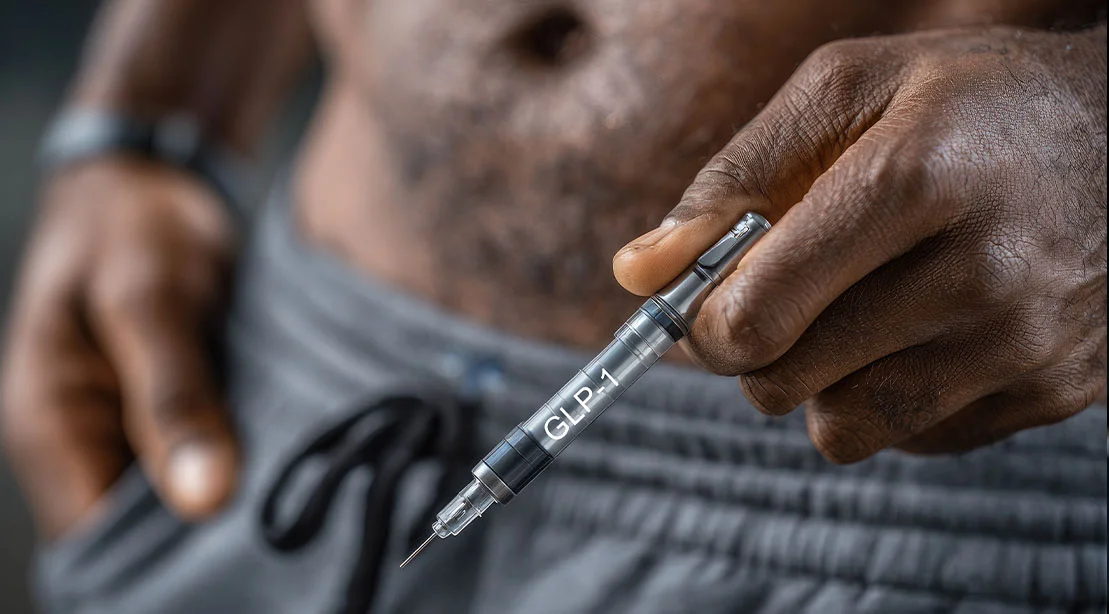
Walking through airports, one can’t help but notice individuals who seem to have lost significant weight, possibly due to the GLP-1 drug trend that includes medications like Ozempic and Wegovy. This phenomenon is becoming a focal point in discussions about weight loss, particularly regarding the concern that these drugs lead to muscle loss.
Examining Muscle Loss with GLP-1 Medications
Is it true that GLP-1 medications like Ozempic and Zepbound contribute to muscle degradation? A 2026 meta-analysis shines some light on this, reviewing 20 randomized trials involving 15,782 participants. The findings indicate that lean mass constitutes roughly 35% of weight lost while on semaglutide, 25% with tirzepatide, and 27% with liraglutide.
These percentages may seem alarming at first glance. However, when juxtaposed with those losing weight through more traditional methods—namely, diet alone—things look a bit different. In weight loss solely through lifestyle changes, approximately 26% of the lost pounds represented lean mass, illustrating that muscle loss isn’t an exclusive issue tied to GLP-1 pills but rather a common outcome associated with substantial calorie reduction.
Maximizing Muscle Preservation While on GLP-1 Therapy
Incorporating resistance training can be a game-changer here. When participants in the study added weightlifting to their regimen, the percentage of weight lost as lean tissue dropped to about 17.5%. So, lifting weights not only preserves muscle but enhances overall outcomes during weight loss.
Furthermore, another 2026 analysis emphasized that combining GLP-1 drugs with structured exercise yields superior results for both weight and fat loss. This revelation dispels the myth that one must choose between medication and rigorous exercise; it’s about integration.
However, the significant challenge with GLP-1 medications lies not in a mysterious muscle-eroding component but in their potent appetite-suppressing effects. With decreased hunger, caloric intake, including protein, often diminishes, which can impact training intensity and, consequently, muscle mass. Significant weight loss, particularly when unaccompanied by adequate nutrition and strength training, leads your body to potentially sacrifice muscle mass.
Understanding Lean Mass and Its Implications
It’s essential to dissect the terminology here. Lean tissue does not equate to pure muscle. Measurements from DXA scans, which assess body composition, include water and non-fat tissues as part of total "lean mass." While GLP-1 treatment does correlate with lean mass reduction, the prevalent trend is that fat loss is generally greater than lean mass loss. Current research has not definitively linked this muscle loss to decreased strength or physical functionality, suggesting that both sides of the argument might need to rethink their positions on the impact of these drugs.
Those advocating for GLP-1s need to acknowledge that rapid weight loss does not guarantee an optimal body composition. Conversely, critics of these treatments shouldn’t exaggerate the risks of losing muscle. When undergoing considerable weight loss, muscle preservation becomes inherently complex.
To navigate this successfully, focus on a balanced approach: lift weights, consume sufficient protein, and prioritize body composition measurements over mere scale weight. Achieving a weight of 190 pounds with enhanced muscle function may serve your fitness better than simply aiming for a lower number like 175. After all, weight loss can sometimes be misleading if achieved through muscle loss rather than fat reduction.
Looking ahead, the subject of GLP-1 medications continues to evolve, particularly as new studies emerge. Recently, Novo Nordisk announced promising results from a late-stage trial of semaglutide in children aged 6 to under 12, demonstrating substantial improvements in BMI among participants after nearly 16 months of treatment combined with dietary modifications and exercise. Although semaglutide is not currently authorized for younger children, this development signals a potential shift towards earlier pharmacological weight management.
As we advance, the pivotal inquiry shouldn’t just focus on the scale and weight lost. The key question we should be asking is: What muscle mass did you manage to preserve?
Discussion
Sign in to join the discussion.