Recent studies reveal that creatine offers tangible benefits for women, enhancing performance and body composition without the worry of unwanted weight gain.

For nearly three decades, creatine has occupied a rather unassuming position in the supplement aisle, overshadowed by more glamorous offerings. Yet, it stands out as one of the most extensively researched substances available. While trendy ingredients tend to grab headlines, creatine monohydrate maintains its status as a scientifically validated performance enhancer.
Not a flashy formula or exotic ingredients—just creatine monohydrate, a simple, cost-effective, and powerful powder that has consistently weathered the storms of various supplement trends. Its robust history includes a plethora of studies confirming its efficacy, enabling it to earn a spot as a staple among athletes and fitness enthusiasts alike.
New Insights on Creatine for Female Athletes
Despite its advantages, the uptake among women has been disappointingly low. This isn’t just a market oversight; it reflects deep-seated misconceptions and biases within sports nutrition. However, a systematic review recently published on September 4 may shift the narrative. Researchers sifted through over 13,000 records, narrowing it down to 34 studies encompassing 692 female participants, with 21 studies contributing data for a comprehensive statistical analysis.
The findings were intriguing, if not groundbreaking. Creatine demonstrated a modest yet statistically significant impact on performance and body composition, yielding a performance effect of about 0.30 standardized units and a body-composition effect of around 0.24. Though these numbers may seem small, they highlight a significant opportunity for female athletes seeking an edge in various sports.
In simpler terms, creatine does confer benefits, but it’s not a miracle solution. This is more significant than it looks; in a space where many athletes grapple with suboptimal performance, even slight enhancements can be pivotal. It begs the question: why aren't more women taking advantage of this reliable supplement?

Addressing Weight Gain Myths Around Creatine
The fitness industry's marketing often leads us to expect that supplements should deliver dramatic transformations in unrealistic timeframes, but the reality is less sensational. Many believe that taking creatine will cause rapid weight gain or unwanted bulking, which complicates its adoption among female athletes. Ergogenic aids grant a competitive edge; actual improvements depend on consistent and rigorous training. The reality is that without effort, no supplement will work miracles.
Creatine's physiological mechanism—supporting the regeneration of ATP during short bursts of high-intensity effort—explains its effectiveness in strength and power activities rather than endurance sports like marathoning. This makes it particularly beneficial for sports demanding explosive movements.
This recent analysis included a diverse group of female athletes: soccer players, swimmers, volleyball players, dancers, and women in resistance training. Some studies indicated enhancements in strength, sprinting, jumping, and lean mass metrics, while others reported negligible effects. Such disparities highlight the need for tailored approaches in supplementation based on specific sports and individual needs.
It’s telling how the authors of the review approached their findings with caution, rating the reliability of the evidence as low due to differences in study designs, populations, and methodologies. They concluded that while creatine could provide slight enhancements in select strength and high-intensity performance outcomes for women, the evidence is still too varied to make sweeping claims. If you're working in this space, the trend of selective acceptance in the scientific community remains a topic of debate.
Creatine's Role for Postmenopausal Women
On a parallel note, a 2026 meta-analysis focused specifically on postmenopausal women. This review examined seven randomized trials with 608 participants, uncovering modest gains in lean mass and leg-press strength when at least five grams of creatine was ingested daily alongside resistance training. Not only does this highlight the potential benefits of creatine across different demographics, but it also opens up avenues for future research.
Dispelling Misconceptions About Creatine
A recurring theme in the narrative about creatine is the distinction between effective usage and inactive behaviors. Creatine alone, without the commitment to training, won't yield results. It’s akin to having a key without a lock; you might think you’re prepared, but without effort, it all falls flat.
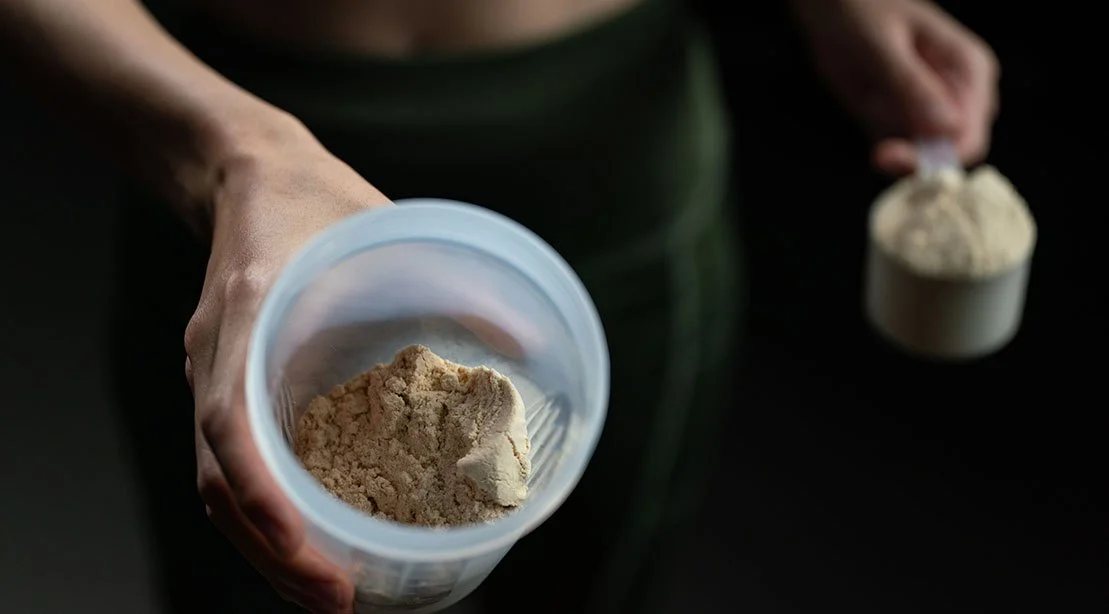
Women often shy away from creatine due to concerns over becoming bulky or gaining weight. While it's true that creatine promotes intracellular water retention, equating this with dramatic weight gain is misleading. A woman putting five grams of creatine in her drink won’t suddenly bulk up, just as staying in a Holiday Inn Express won’t turn someone into a concert pianist. Context matters.
Notably, research on women’s responses to creatine is advancing. The established knowledge is that creatine isn't a miracle supplement for women; it’s not a weight-loss agent, a hormone, or a substitute for proper nutrition, sufficient rest, or training discipline. Instead, it’s a straightforward, affordable option backed by solid evidence. The take-home message? Creatine monohydrate is indeed the most studied supplement in our field, and it works effectively.
Future Outlook for Creatine
The implications of these findings extend beyond just performance. As more women, particularly those in competitive sports and fitness, begin to understand what creatine can do, we might witness a shift in supplement culture. The acceptance of creatine in female athletics could represent a pivotal moment in changing perceptions about women in sports nutrition.
What this means for you—whether you're an athlete, coach, or medical professional—is clear: continuing education on the benefits and limitations of creatine is essential. As the research landscape evolves, so too should our strategies. With more data and attention, creatine could become a normalized part of female athletes’ supplement regimens, providing an edge some never knew they had at their disposal.
In the end, while creatine may not be the elixir everyone hoped for, its consistent efficacy argues for a reevaluation of its place. The evidence is mounting, pointing to benefits that deserve more than just a cursory glance.
Discussion
Sign in to join the discussion.