BPC-157, dubbed the 'Wolverine peptide,' is gaining traction in fitness circles, but safety and efficacy remain unverified amid rising usage.
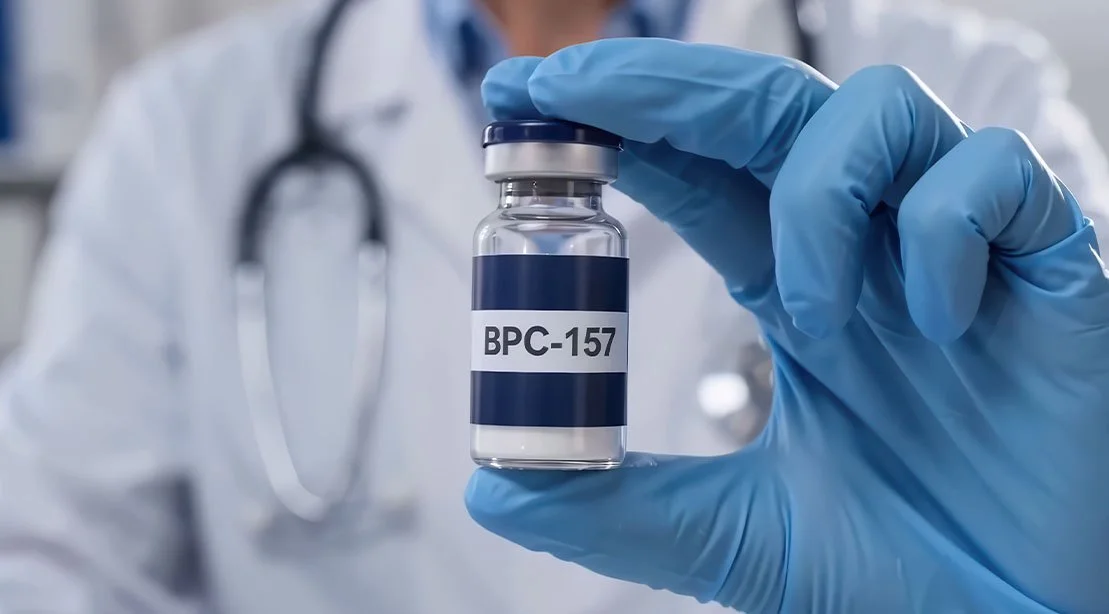
BPC-157, a peptide formally known as Body Protective Compound 157, has recently taken the fitness community by storm, becoming a hot topic despite lacking FDA approval. Its reputation has been bolstered through anecdotal experiences in bodybuilding gyms, CrossFit boxes, and MMA forums, where users attribute a range of miraculous healing benefits to it. Whether it’s a torn tendon, a bad shoulder, or various gastrointestinal issues, BPC-157 is touted as the go-to solution. The suggestion of using it even on pets has become a running joke—this curiosity hints at the peptide's growing popularity.
Understanding BPC-157's Healing Claims
Commonly referred to as the “Wolverine peptide,” BPC-157 is often cited for its supposed capacity to accelerate recovery and bodily repair processes. Many enthusiasts pair it with TB-500 in what's informally dubbed the “Wolverine Stack.” The nickname alone suggests a hope for near-mythical recovery abilities, all stemming from a few animal studies that enthusiasts cling to for validation. Interestingly, recent research from health-data firm nference provides a first glimpse into the actual usage of this peptide. By examining over 15 million de-identified medical records, the researchers identified 1,039 patients whose doctors noted BPC-157 usage. Alarmingly, these documented cases surged nearly 33-fold between 2020 and 2026. While this data is preliminary and lacks peer review, it starkly suggests BPC-157 is witnessing a significant transition from niche use to mainstream acceptance.
But here's the thing: anecdotal evidence can only carry us so far. Sports enthusiasts and those with chronic conditions are often desperate for solutions, leading them to embrace substances that haven't undergone rigorous scrutiny. The challenge lies in differentiating between genuine efficacy and the placebo effect. Users might feel better simply because they believe in the treatment, exacerbating the confusion around BPC-157’s actual benefits.
Demographics of BPC-157 Users
The demographic shift regarding BPC-157 users is noteworthy. New patient data reveals that users are becoming generally younger and predominantly male. Pain relief and performance enhancement are driving factors for many, with reasons cited ranging from sports-related injuries to chronic pain and digestive disorders. Interestingly, most individuals acquired the peptide through compounding pharmacies and gray-market vendors. This raises ethical concerns. With a lack of regulatory oversight, many users unknowingly expose themselves to potential risks by purchasing unverified products that might not contain the active ingredients they expect.
(and this is the part most people overlook) The allure surrounding BPC-157 largely stems from preclinical findings, particularly those derived from animal studies. These studies suggest certain healing properties, but the leap to human efficacy remains unsubstantiated. Despite its popularity, we still lack the large-scale, randomized human trials necessary to confirm the claims of BPC-157 as a connective tissue healer. Furthermore, the recent medical record analysis offers no resolution, as it’s observational in nature and lacks a controlled setting. Without systematic outcome tracking, it's impossible to determine if reported improvements are due to BPC-157, physical therapy, or simply the passage of time.
Regulatory Developments and Risks
In light of the increasing interest in BPC-157, regulatory actions are moving at a pace that matches the growth in user numbers. Recently, an FDA advisory committee voted in favor of allowing BPC-157 for certain compounding practices; however, this isn’t an official approval and doesn’t affirm the peptide’s efficacy. A definitive regulatory ruling is still pending, leaving a cloud of uncertainty surrounding its legal status. For patients contemplating its use, this ambiguity presents both a risk and a challenge.
Moreover, caution is warranted when purchasing peptides online. Investigations, such as those conducted by WIRED, revealed that products sold as BPC-157 were often found to contain inactive or unverified compounds. This inconsistency raises critical questions about the reliability of online peptide vendors. If you can't confirm the active ingredient, it’s challenging to assess the treatment's effectiveness. This uncertainty isn’t just a minor inconvenience; it's potentially hazardous. Users might be investing time and money into substances that offer nothing but false hope. In an arena where performance can dictate careers and livelihoods, such dangers shouldn’t be overlooked.
While I remain optimistic about the potential of peptides in sports medicine, BPC-157 deserves scrutiny. Its reputation is largely built on user testimonials rather than scientific validation, which isn’t a sustainable foundation for a treatment, no matter how appealing its benefits may seem. The real story is how thousands have opted to embrace this peptide in a bid to validate its supposed benefits ahead of scientific confirmation. This situation is eerily reminiscent of other scenarios in the medical community, where users push forward in the absence of approval. What this means for you, if you're in this space, is that a critical lens is essential before getting carried away by the hype.
Future Outlook
The future of BPC-157 may hinge on upcoming clinical trials and research publications. Without scientific consensus validating its effectiveness, its reputation as a go-to solution for injuries will likely struggle to maintain traction. However, should rigorous studies yield positive results, we could see a shift in both acceptance and regulatory frameworks. Until then, the predominant reliance on anecdotal evidence is a double-edged sword. Enthusiasts may find temporary relief, but this path lacks the transparency and assurance one expects from legitimate medical treatments. The ultimate question remains—can BPC-157 transition from a fitness community fascination to an accepted therapeutic option in medicine?
Discussion
Sign in to join the discussion.