Recent research suggests therapeutic plasma exchange may reduce biological age, but the effects appear short-term and vary by individual health.
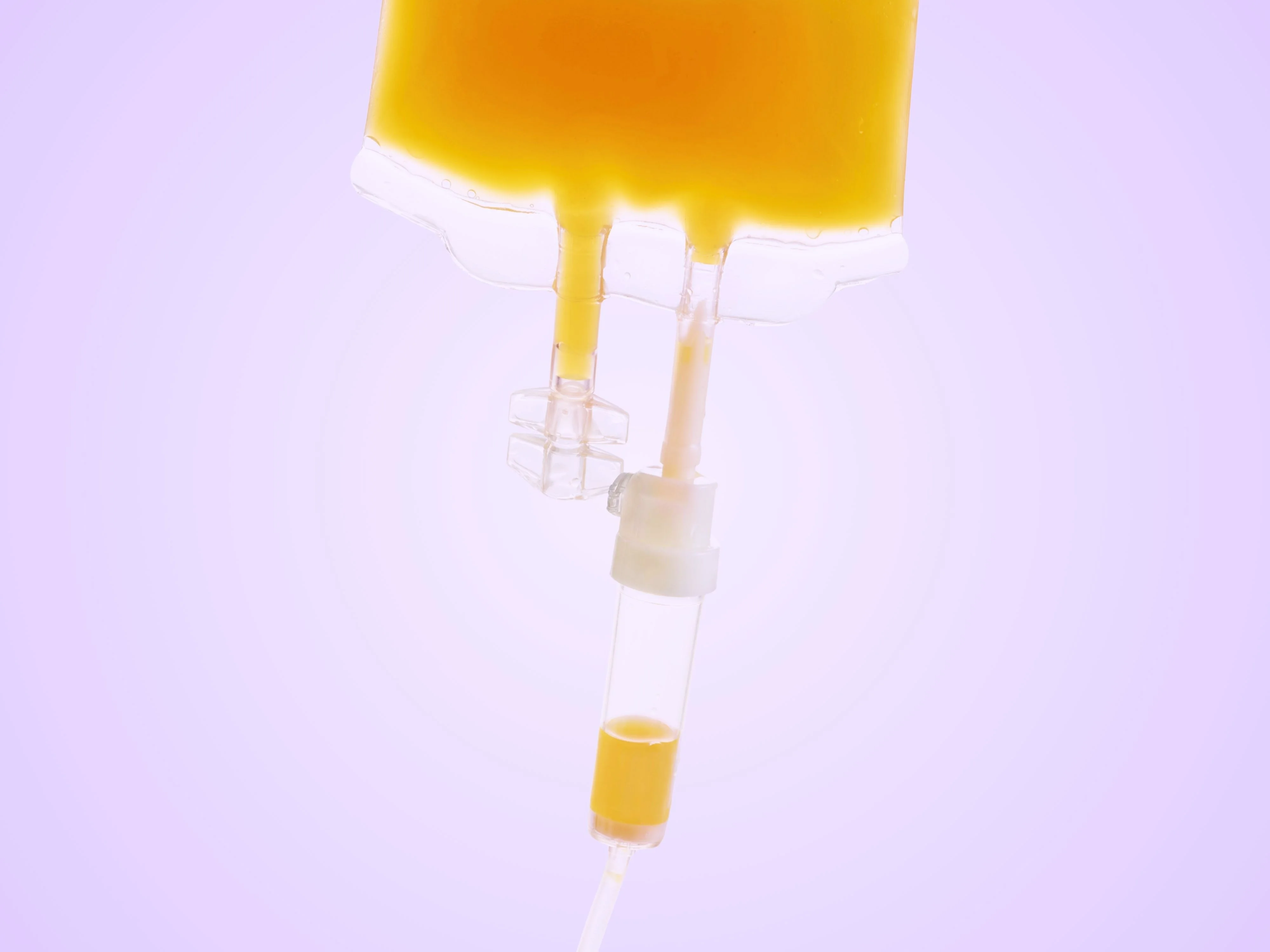
The quest for a fountain of youth has taken on a new shape with therapeutic plasma exchange, a procedure that filters and replaces the liquid component of blood. A study published in 2025 in Aging Cell indicates that this method may lower biological age by approximately two and a half years, spurring interest from both scientists and health enthusiasts alike. This procedure, often associated with treating conditions like autoimmune disorders, is now being scrutinized for its potential anti-aging effects.
However, as the excitement builds, it's crucial to sift through the study’s findings to assess the implications of plasma as a potential anti-aging treatment. It’s not just about a simple age reduction; the broader context matters significantly in understanding the efficacy and safety of this approach.
Why Plasma is a Focus for Longevity Research
Plasma, the yellowish liquid in blood, is much more than a carrier for red and white blood cells; it contains various proteins, hormones, and metabolites that reflect the body's systemic state. According to Dr. Andrea Maier, a geriatrician and board member of the Academy for Health and Lifespan Research, plasma serves as a 'transport system' delivering crucial information across organs. This aspect is particularly relevant when considering aging processes, as age-related physiological changes can impact the composition of plasma.
This makes it a prime candidate for studying biological age, which encapsulates how well an individual is aging compared to their chronological age. The disparity between these ages can be indicative of health risks, with older biological age correlating with heightened susceptibility to chronic diseases. Effectively, understanding a patient’s biological age could enable targeted interventions that slow down or even reverse age-associated declines.
The link between plasma and aging gained traction about 15 years ago as researchers began exploring a technique called parabiosis, where the circulatory systems of two organisms are connected. This unusual method led scientists to discover that young plasma had rejuvenating properties that might mitigate some aging effects in older subjects. However, while these initial findings were promising, they opened the door to countless ethical and safety questions regarding the implications of such animal experiments translating to human treatment.
Potential but Temporary Benefits from Plasma Exchange
The recent Aging Cell study involved 42 participants undergoing plasma exchange with purified albumin and saline, with some receiving an immune therapy known as IVIG. While initial results indicated a reduction in biological age of around 2.5 years for some participants, Dr. Maier cautions that these findings are preliminary and stem from mid-trial assessments, not conclusive end-of-study data. That said, these midtrial results have already begun to attract significant buzz in scientific and health-enthusiast communities.
Dr. Maier emphasizes, "This '2.5 years younger' is a midterm snapshot compared to the baseline, not the final outcome." By the conclusion of the study, any initial age changes diminished. The underlying reason could be the body’s response to a sudden influx of new plasma cells, resulting in temporary rejuvenation followed by stress as it readjusts to the altered state. This phenomenon raises questions about the sustainability and long-term viability of plasma exchange as an anti-aging treatment.
Individual Health Plays a Critical Role
The study also highlighted variations in response among participants; specifically, those in poorer health exhibited a more pronounced effect from the intervention. As Dr. Keenan Walker of the National Institute on Aging points out, understanding whose biology will respond favorably to plasma interventions is crucial as research progresses. This differentiation is vital since not everyone's biological clock ticks at the same pace—what works for one person might not work for another.
Both Dr. Maier and Dr. Walker see promise in blood-based strategies for longevity, yet they stress the need for personalized approaches rather than broad applications of plasma filtering. Dr. Maier characterizes the research as still in its infancy. "It's not a crazy idea; there's substantial evidence to support exploration in this area, but we need larger studies to confirm these findings and identify who may benefit most," she states. This emphasis on tailored treatments aligns with a growing trend in medicine toward individualized healthcare, which could significantly enhance treatment outcomes.
Until more concrete evidence emerges, researchers advise caution in applying this technique in standard medical practice, citing the strain it can place on the body. If you're working in this space, you’ll want to keep an eye on how emerging data might reshape the understanding of plasma’s role in aging.
Implications and Future Outlook
As the field of longevity continues to evolve, the findings from studies like these may lay the groundwork for more tailored and effective therapies aimed at improving health. However, the current enthusiasm should be tempered with skepticism. This isn't just another health fad; it's a complex issue that requires serious scientific inquiry. Therapeutic plasma exchange represents a tantalizing possibility in the quest for enhanced lifespan and healthspan, but much is left to explore.
Furthermore, the implications extend beyond individual benefit. Advancements in this area could yield critical insights into age-related diseases and the aging process itself. Organizations involved in healthcare might see this research as an opportunity for investment and innovation, potentially transforming how age-related conditions are managed and ultimately altering the future of medicine. Yet, until studies provide irrefutable evidence of sustained benefits and safety, any claims should be taken with caution—and a healthy dose of skepticism.
Discussion
Sign in to join the discussion.