Many women are choosing to hide their weight loss medications from partners, citing personal reasons and societal pressures that complicate openness.
Caroline's initial journey with Wegovy was one marked by transparency; she openly discussed her weight loss progress with her boyfriend and close friends. Over six months, Caroline dropped 30 pounds, arriving at what she considered her "healthy original weight" of 100 pounds. Still, her loved ones expressed concern about the pace of her weight loss, urging caution as she approached what they viewed as a critical threshold.
At 34 and standing five feet four inches tall, Caroline had battled weight loss through traditional means for years. Frustrated with her persistent lack of results, she sought out a telehealth doctor who prescribed Wegovy without requiring her to share her actual weight. “The weight started coming off incredibly fast,” Caroline recalled. However, once she ceased the medication, she quickly regained 10 pounds in a matter of weeks, prompting her to reassess her relationship with the drug.
Now, she has resumed Wegovy but has decided to keep her use a secret from her boyfriend. “With conversations about kids becoming more frequent, I knew he'd have strong feelings against it,” Caroline explained. Living alone allows her to hide the medication conveniently, keeping it in the back of the fridge. Yet, when traveling together, the task of concealing her medication becomes burdensome. “Hiding it in my in-laws’ fridge feels so awkward,” she admits.
Seeking Discretion in Medication Use
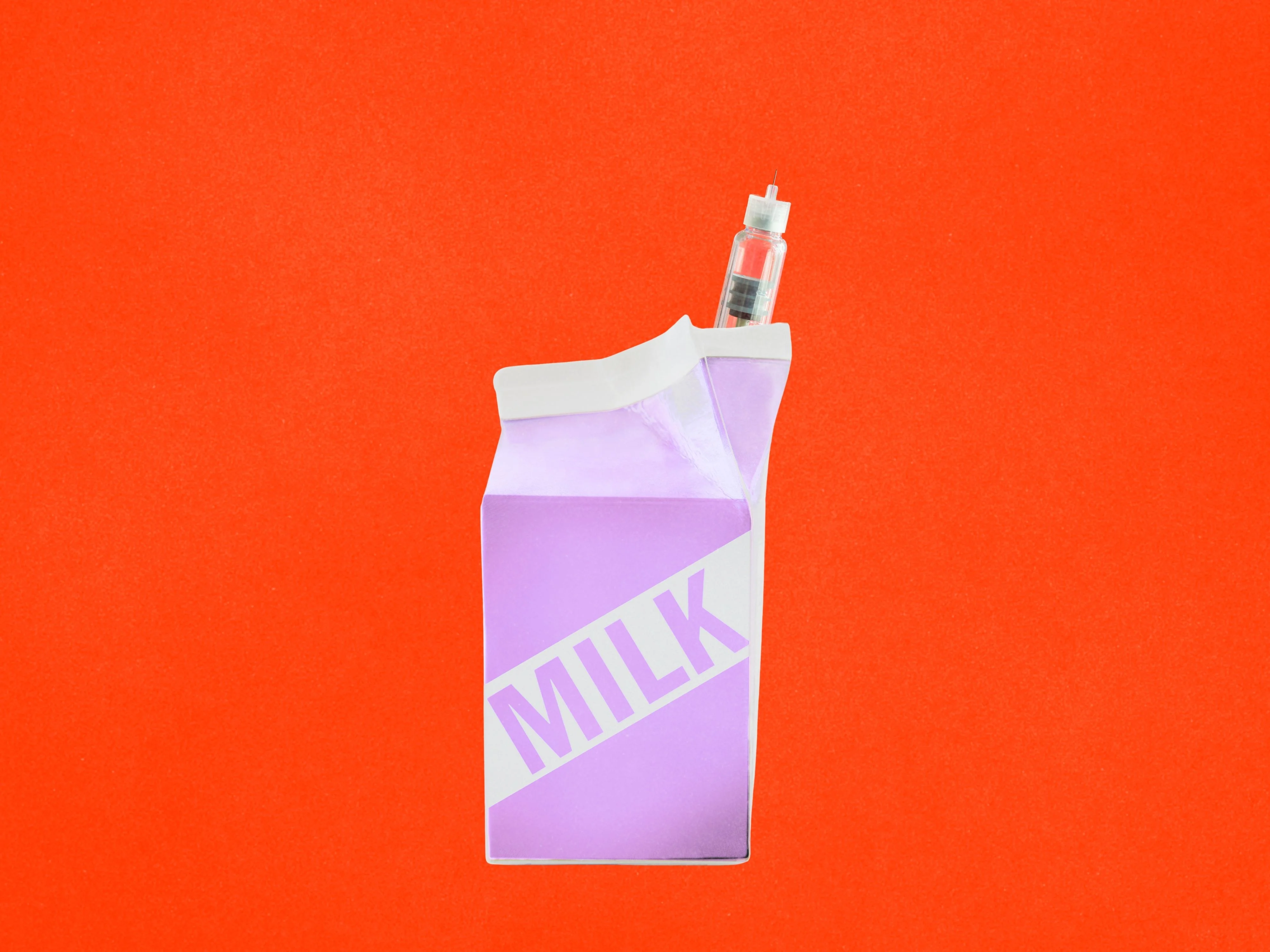
Caroline's situation echoes a broader trend among women who feel compelled to keep their GLP-1 treatments clandestine. A discussion on the r/GLP1microdosing subreddit revealed similar tactics among women, sharing inventive solutions for concealing medication. From disguising their meds in everyday containers like tomato paste boxes or empty probiotic bottles to utilizing opaque containers, these women go to great lengths to keep their weight loss journeys private.
Kia Mitchell, MD, a specialist in family and obesity medicine, confirmed this phenomenon in her practice. Many women prefer to avoid potential debates about weight loss at home, opting instead to manage their medical narratives independently. “The empowerment comes from choosing when and how to disclose this part of their health journey,” Dr. Mitchell noted, indicating that for many, keeping their weight loss journey private can feel like regaining control.
However, the rationale behind this secrecy often stems from the fear of negative reactions from partners. One Reddit user remarked on concerns about facing “a series of lectures” if their spouse discovered the secret. Another woman highlighted the sensitivity of the issue, stating she didn’t wish for her children to disclose her medication use to her ex-husband. The emotional strain of navigating these discussions can be daunting.
The Health Implications of Hiding Medications
While some privacy may seem warranted, there are significant medical concerns associated with concealing GLP-1 medications from partners. For example, these drugs can affect pregnancy outcomes, as Dr. Mitchell pointed out, noting several patients of hers have managed healthy pregnancies while on GLP-1 medications. Additionally, side effects associated with the drugs may lead to complications that would benefit from a supportive partnership.
The stress induced by keeping such secrets may also impede weight loss efforts, as elevated stress hormones can hinder the very goals women are striving to achieve. Dr. Mitchell emphasizes that a supportive environment is crucial for successful weight management.
The Role of Telemedicine
The rise of telehealth platforms, such as Hers and Ro, has made it easier for women to obtain prescriptions without thorough discussions about their health history. Caroline's experience epitomized this trend; her Wegovy prescription involved minimal health assessment, merely requiring basic bloodwork and no engagement regarding her existing medications. This situation brings up essential questions about the adequacy of care being provided in a telemedicine context.
As Craig Primack, MD, head of weight loss at Hers, states, while doctors do encourage discussions with primary care providers about ongoing treatments, the reality is many patients find themselves reluctant to share their medication statuses, especially when the conversation could lead to unwanted scrutiny or pressure from partners.
Navigating Conversations About Weight Loss Medication
The complexities surrounding discussions of weight loss treatments urge patients to consider the range of their partner’s potential reactions. Dr. Rachel Goldman, a clinical psychologist specializing in weight management, notes that approaching these discussions with personal narratives can foster understanding and empathy. Framing the conversation to reflect individual experiences rather than broad societal pressures can make the dialogue less confrontational.
Dr. Goldman advises individuals to be transparent about their motivations for seeking treatment, which can demystify the use of GLP-1s. Preparing for the conversation by anticipating various responses from partners can also be beneficial. The aim shouldn't be perfection in communication but rather fostering a space for openness and support.
Ultimately, while secrecy may seem like the simplest solution today, fostering honest dialogues about health choices could lead to deeper connections and understanding in the long run. In the absence of such dialogue, though, a discreet anchovy paste box is always an option.
Related:
- Unapproved Weight Loss Drugs Heating Up Demand
- Impact of GLP-1s on Gym Culture
- Grocery List for GLP-1 Users According to Dietitians
Receive SELF's great service journalism directly in your inbox.
Discussion
Sign in to join the discussion.