While protein timing has its place, total daily intake remains the priority for muscle growth. Here's how to optimize your protein consumption.
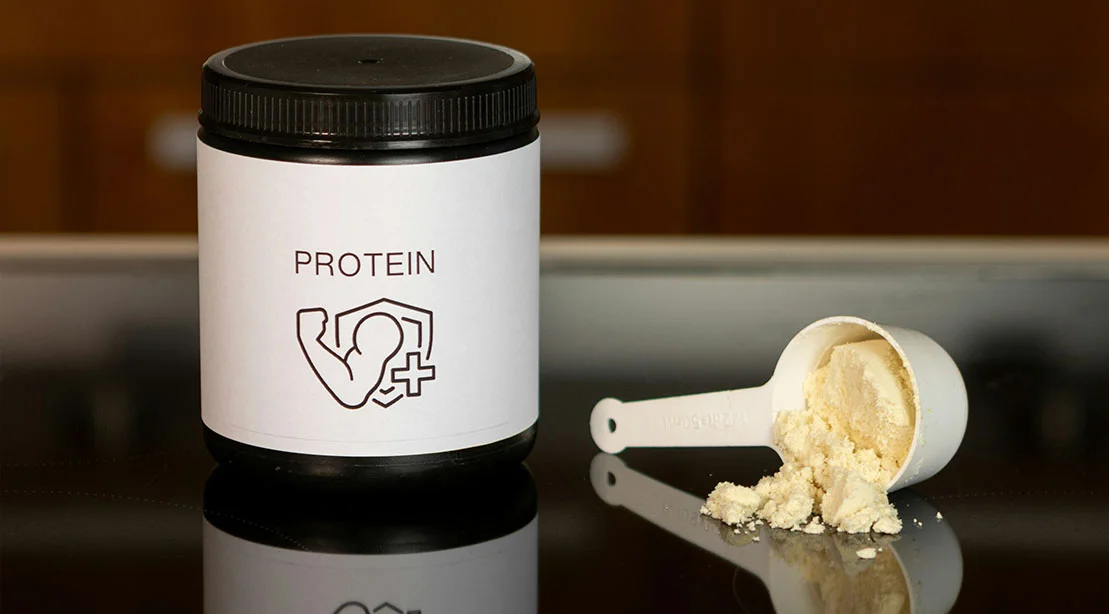
Rethinking the Anabolic Window
For years, gym enthusiasts believed in the urgency of the so-called anabolic window, thinking that missing a post-workout protein intake by even a short margin could jeopardize their muscle gains. This notion prompted frantic rushes to consume protein shakes immediately after training. However, current research indicates that while timing is a component of muscle growth, its critical nature has been exaggerated.
This perspective shift emphasizes that high-quality protein intake throughout the day is far more important than adhering strictly to a post-exercise timeframe. For those aiming to sculpt a muscular physique, grasping when protein timing is relevant—and when it isn’t—can lead to better dietary habits that truly enhance performance.
The Importance of Total Daily Protein Intake
Data underscore the necessity of adequate daily protein for effective muscle adaptation to resistance training. Most studies suggest that individuals engaged in regular resistance training should aim for protein intakes of 1.6 to 2.2 grams per kilogram of body weight each day. Distributing this protein intake across multiple meals optimizes muscle synthesis. For example, a lifter weighing 200 pounds typically needs between 145 and 200 grams of protein daily; those in a calorie deficit seeking to maintain muscle might go up to 290 grams.
It's common for many lifters to fixate on minutiae like the timing of protein intake after workouts, while neglecting overall daily consumption. Prioritizing total protein intake is key; without meeting daily targets, worrying about timing becomes moot.
Myth Busting: The Anabolic Window Is Wider Than 30 Minutes
The traditional view of the anabolic window suggests a narrow, 30-minute timeframe post-exercise for optimal nutrient absorption. However, more recent findings reveal that muscle sensitivity to amino acids persists much longer, especially when protein has been consumed prior to training. For instance, having a protein-rich meal one to three hours before a workout provides a sufficient amino acid supply that continues to benefit muscle recovery.
Thus, the definition of the anabolic window should morph from a brief emergency period into a broader timeframe that supports ongoing recovery when paired with proper meal timing before and after workouts.
Significance of Pre- and Post-Workout Protein
While it’s clear that the urgency surrounding post-workout protein has been overstated, it still holds undeniable value. Consuming protein before workouts can provide necessary amino acids during exercise, potentially enhancing muscle protein synthesis and recovery. Aiming for 20 to 50 grams of high-quality protein one to three hours prior to training is advisable. This is especially true for those training in the morning after a prolonged fast.
After a workout, protein remains beneficial as muscle protein synthesis is elevated and muscle fibers are primed for amino acid utilization. If there was no pre-workout protein or it's been several hours since the last meal, post-workout protein can help facilitate recovery. The guideline here is to consume protein within a few hours of training, particularly if you trained in a fasted state.
The Role of Protein Quality
Not all protein sources are created equal. High-quality proteins contain all essential amino acids and sufficient leucine to encourage muscle protein synthesis. While total daily intake is paramount, both the timing and quality of protein matter in terms of exercise adaptations.
Fast-digesting proteins like whey can elevate blood amino acid levels rapidly, making them effective when timing is critical. Conversely, slow-digesting proteins, such as casein, offer prolonged amino acid availability—an asset for evening consumption or during periods of caloric restriction. Whole-food sources like chicken and fish also provide sustained release benefits that can fit into varied meal schedules.
Convenience and Consistency Are Key
A major challenge many lifters face is not the intricacies of protein timing but maintaining regular meal schedules amidst busy lives. Work demands, commuting, and unpredictable training times can make adhering to perfect meal timing unrealistic. This is where practical solutions come into play.
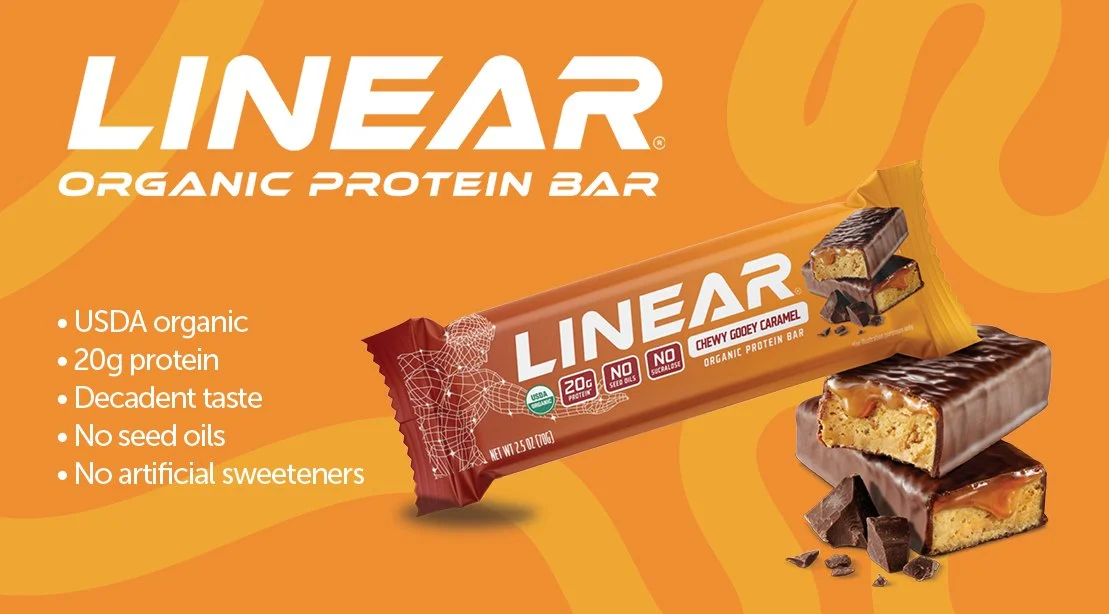
For those on the go, convenient high-protein snacks, like protein bars, can fill nutritional gaps when whole-food meals aren't feasible. Such options serve to keep protein intake steady without the need for elaborate meal preparation, which can ultimately minimize the risk of missing nutrient targets or resorting to subpar snacks.
Final Thoughts on Protein Intake Strategy
Ultimately, while protein timing should not be dismissed entirely, it pales in comparison to the necessity of meeting total daily protein goals. A sensible protein intake strategy involves meeting your overall protein needs first and spreading your intake throughout the day. It's about maintaining consistent protein consumption around training sessions, using a blend of fast- and slow-digesting proteins, and having accessible options to ensure you stick to your nutritional plan.
By focusing on these elements, lifters can significantly enhance their muscle-building efforts and overall performance, ensuring that both their training and nutrition are effectively aligned.
References
- Morton RW, et al. A systematic review, meta-analysis and meta-regression of the effect of protein supplementation on resistance training-induced gains in muscle mass and strength in healthy adults. British Journal of Sports Medicine. 2018;52(6):376-384. doi: 10.1136/bjsports-2017-097608.
- Jäger R, et al. International Society of Sports Nutrition Position Stand: protein and exercise. Journal of the International Society of Sports Nutrition. 2017;14:20. doi: 10.1186/s12970-017-0177-8. PMID: 28642676; PMCID: PMC5477153.
- Refalo M, Trexler E, Helms E. (2025). Effect of Dietary Protein on Fat-Free Mass in Energy Restricted, Resistance-Trained Individuals: An Updated Systematic Review With Meta-Regression. Strength & Conditioning Journal. 10.1519/SSC.0000000000000888.
- Schoenfeld B, et al. The effect of protein timing on muscle strength and hypertrophy: a meta-analysis. Journal of the International Society of Sports Nutrition. 2013;10:53. doi: 10.1186/1550-2783-10-53.
Muscle & Fitness and JW Media, LLC were not involved in the creation of this sponsored content. The views and claims expressed do not necessarily reflect those of Muscle & Fitness or its editorial staff.
Discussion
Sign in to join the discussion.