Skipping meals may leave you ravenous at the table. A steady eating routine can help you enjoy holiday food and notice when you’re satisfied.
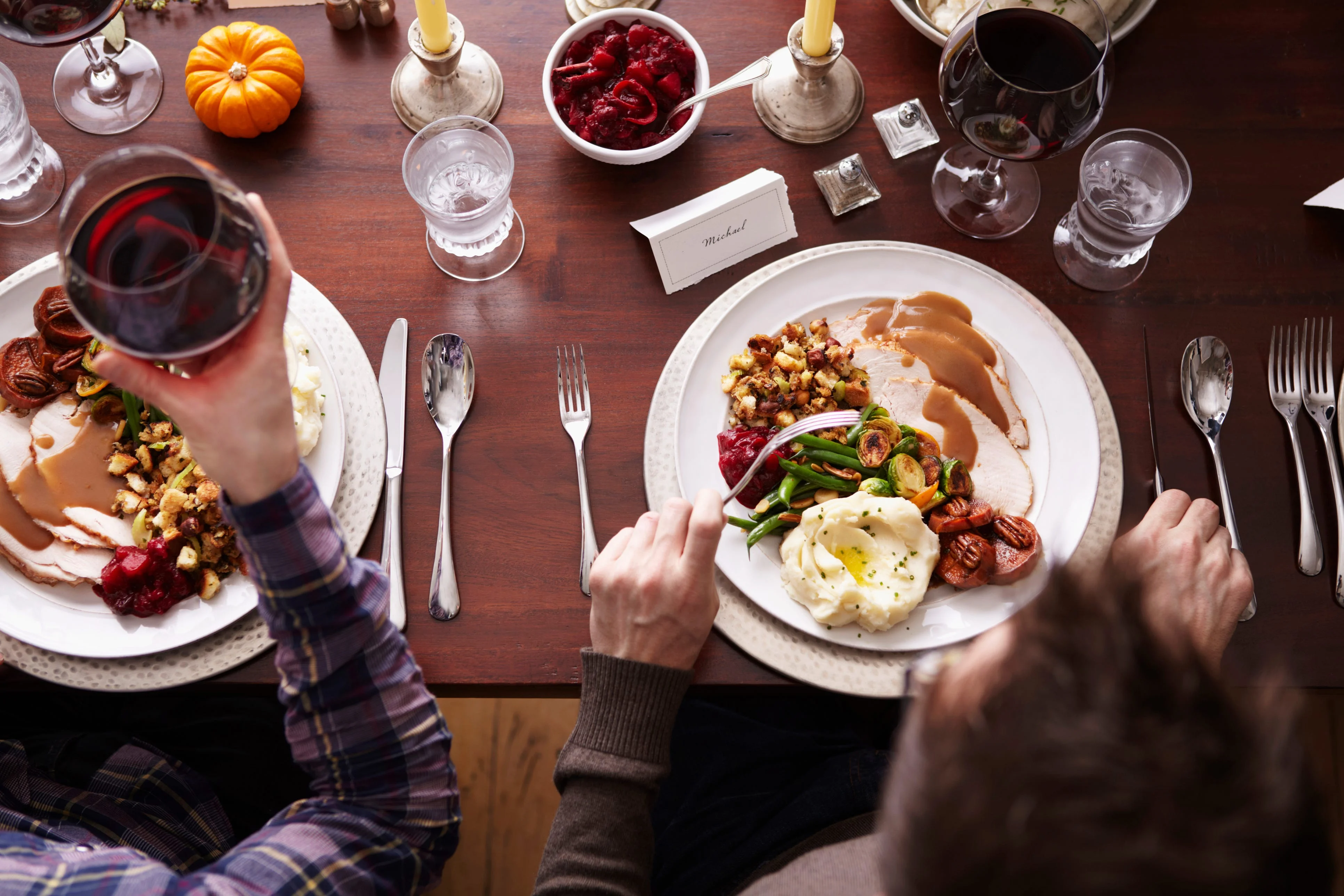
Arriving at a holiday dinner ravenous can make it harder to enjoy the meal at your own pace. Skipping breakfast or lunch to “save room” may instead amplify hunger, encourage faster eating and make fullness easier to miss.
For many people, a more useful plan is to eat normally before the gathering, adjusting meal timing to suit when the feast begins. That can help you arrive ready to enjoy the food and the company, rather than preoccupied with hunger.
Long gaps can intensify hunger
Hunger doesn’t wait quietly for dinner. Ghrelin, a hormone associated with appetite, generally rises before usual mealtimes and falls after eating. When you skip meals, those signals have more time to build.
Research on meal patterns points in a similar direction, though the evidence is still developing. A symposium overview in the Journal of Nutrition examined controlled feeding studies and found that eating fewer than three meals a day may make appetite harder to manage. The authors cautioned that many studies were small and short-term, and the findings don’t establish one ideal meal schedule for everyone. They do, however, offer little support for the idea that longer gaps make hunger easier to control.
Hunger competes with holiday cues
When you arrive very hungry, you may eat quickly and reach for what’s nearest. That can turn a meal you’ve looked forward to—perhaps a relative’s signature stuffing or a once-a-year dessert—into a blur of bites.
It also takes time for the body’s fullness signals to register. Eating fast while very hungry can mean passing comfortable fullness before you notice. That’s a predictable response to strong hunger, not a failure of willpower.
The setting adds its own pull. A systematic review of winter holidays and eating behavior describes how food variety, visible platters, long meals and eating with friends or family are linked with eating more than people might when dining alone. Those are part of what makes a holiday meal enjoyable, but they can also draw attention away from internal cues.
A small study in the International Journal of Obesity found that participants felt less satisfied by the same meal during the holiday season than they had beforehand. Researchers suggested that the abundance of food cues may make satisfaction harder to register. Add intense hunger to the mix, and it can become even harder to tell when you’ve had enough.
The effects can start before dinner
A long stretch without food may leave some people shaky, tired, distracted or irritable—hardly ideal when the day also involves cooking, travel, hosting or hours of conversation.
Research links breakfasts with more fiber and whole grains to better appetite control and mood than skipping breakfast. And for people with diabetes, particularly those taking insulin or certain other glucose-lowering medications, skipping meals can raise the risk of low blood sugar. Anyone managing diabetes should ask their health care team how to plan meals on holiday days.
Build the day around the meal time
The aim isn’t to manage every bite at the feast. It’s to arrive feeling well enough to enjoy it. A few practical choices can help:
- Have breakfast. Pairing protein and fiber can help you stay satisfied. Try eggs with whole-grain toast, Greek yogurt with fruit and nuts, or oatmeal with nut butter.
- Adjust meal timing to the gathering. A regular lunch can work well before an evening dinner. For a mid-afternoon feast, consider a hearty late breakfast and a small snack. There’s no single schedule that suits everyone.
- Choose filling combinations. Meals and snacks with protein, fiber-rich carbohydrates and some fat tend to satisfy more than options built around just one of those components. A sandwich, grain bowl or apple slices with cheese are simple examples.
- Drink water during the day. Cooking and traveling can make it easy to forget.
- Pause before getting seconds. Take a moment to check how you feel. You can always serve yourself more, and leftovers are part of the holiday meal too.
Skipping meals to make room for a feast is common, but it may leave you less able to savor the dishes or recognize comfortable fullness. Eating regularly beforehand can help you sit down calmer, more present and ready to enjoy the meal with the people around you.



Discussion
Sign in to join the discussion.