Find a mattress suited to your sleep position: side sleepers need cushioning with support, while back sleepers benefit from lumbar support and a medium to medium-firm feel.

Choosing a mattress is a personal decision with real consequences for sleep and comfort. About one in three U.S. adults gets less than the recommended seven hours of sleep each night, according to the CDC. A mattress won’t solve every sleep problem, but if pain, overheating, or discomfort keeps waking you, it may be part of the picture.
Start with how you sleep. A mattress that suits a side sleeper may not work as well for someone who sleeps on their back or stomach. Firmness matters, too: most mattresses are sold in firm, medium, or plush options. And if you have back pain, hip pain, or another condition, think about the support and pressure relief you need. Those details are more useful than chasing a mattress that claims to suit everyone. For more ways to improve rest, see our guide to products for better sleep.
We consulted sleep experts and reviewed mattresses tested and vetted by editors to identify options for different sleep positions and concerns. The guide covers cases such as a hot stomach sleeper or a side sleeper with joint pain, with advice on what to look for as you shop.
Best Mattresses for Side Sleepers
Side sleeping concentrates pressure at the shoulder and hip. Without enough cushioning, that can mean soreness in those areas or lower-back stiffness. Raj Dasgupta, M.D., a quadruple board-certified physician, recommends a medium-soft to medium mattress: it should let the shoulder and hip sink in while keeping the waist and legs supported. The balance matters. Too firm can leave pressure points; too soft may not support the rest of the body well.
Best overall for side sleepers: Tempur-Pedic Tempur-Adapt. Listed prices in the guide are $2,099 at Amazon, $2,299 at Tempur-Pedic, and $2,099 at Macy’s.
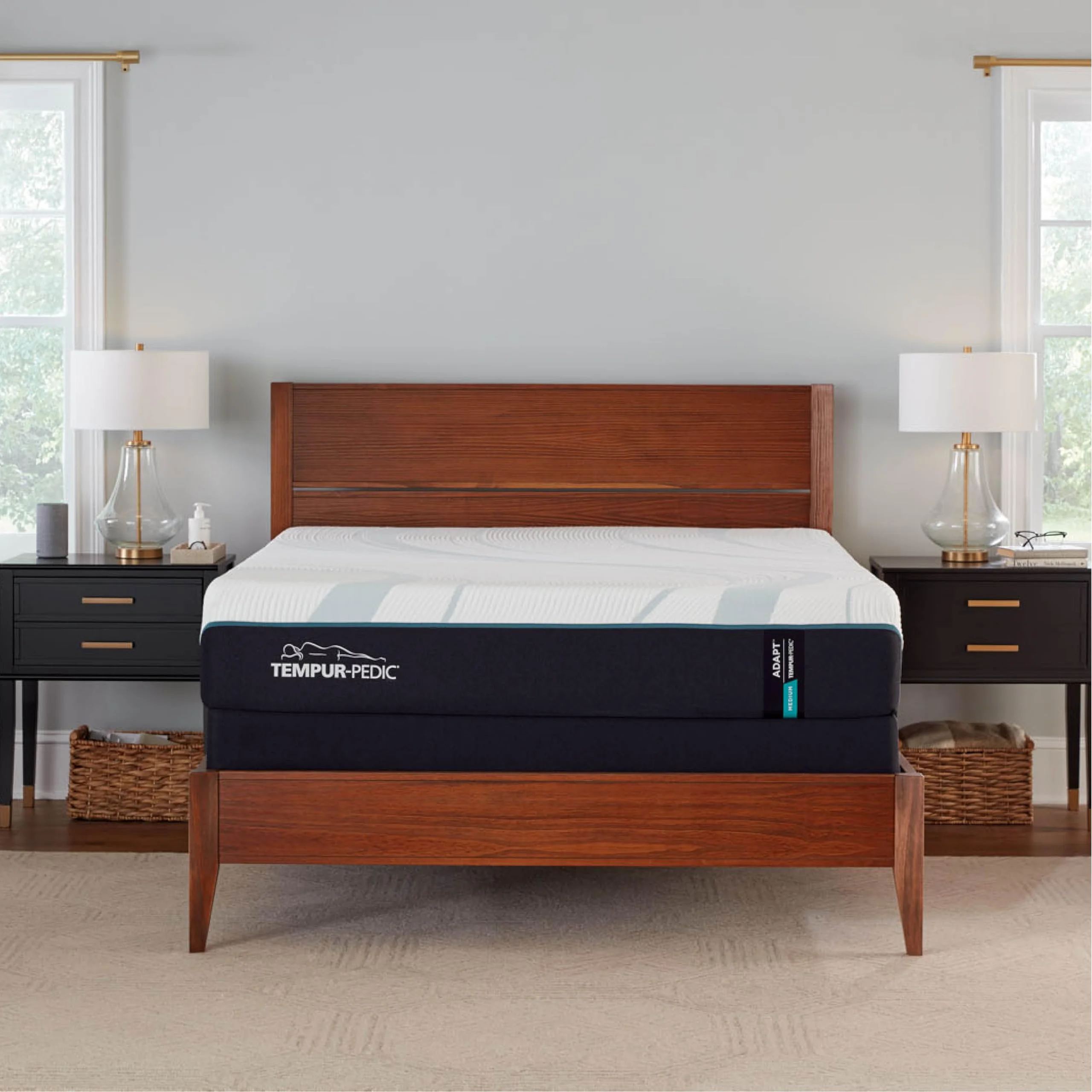
Mattresses for side sleepers
The key trade-off for side sleepers is pressure relief without losing support. The Tempur-Pedic Adapt mattress aims to balance both: memory foam on top cushions the body, while a firmer feel is intended to keep the spine supported as you shift positions overnight.
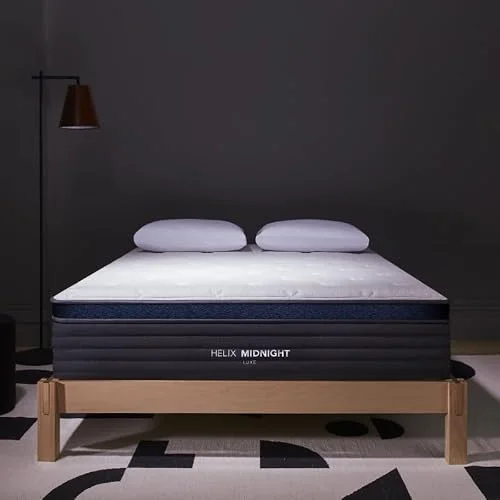
For hip pain, the Helix Midnight Luxe is listed at $1,119 on Amazon, $1,874 at Walmart, or $187 directly from Helix for a full-size Tencel version, reduced from $249. Those prices refer to different listings, so compare the size and configuration before treating them as like-for-like options.
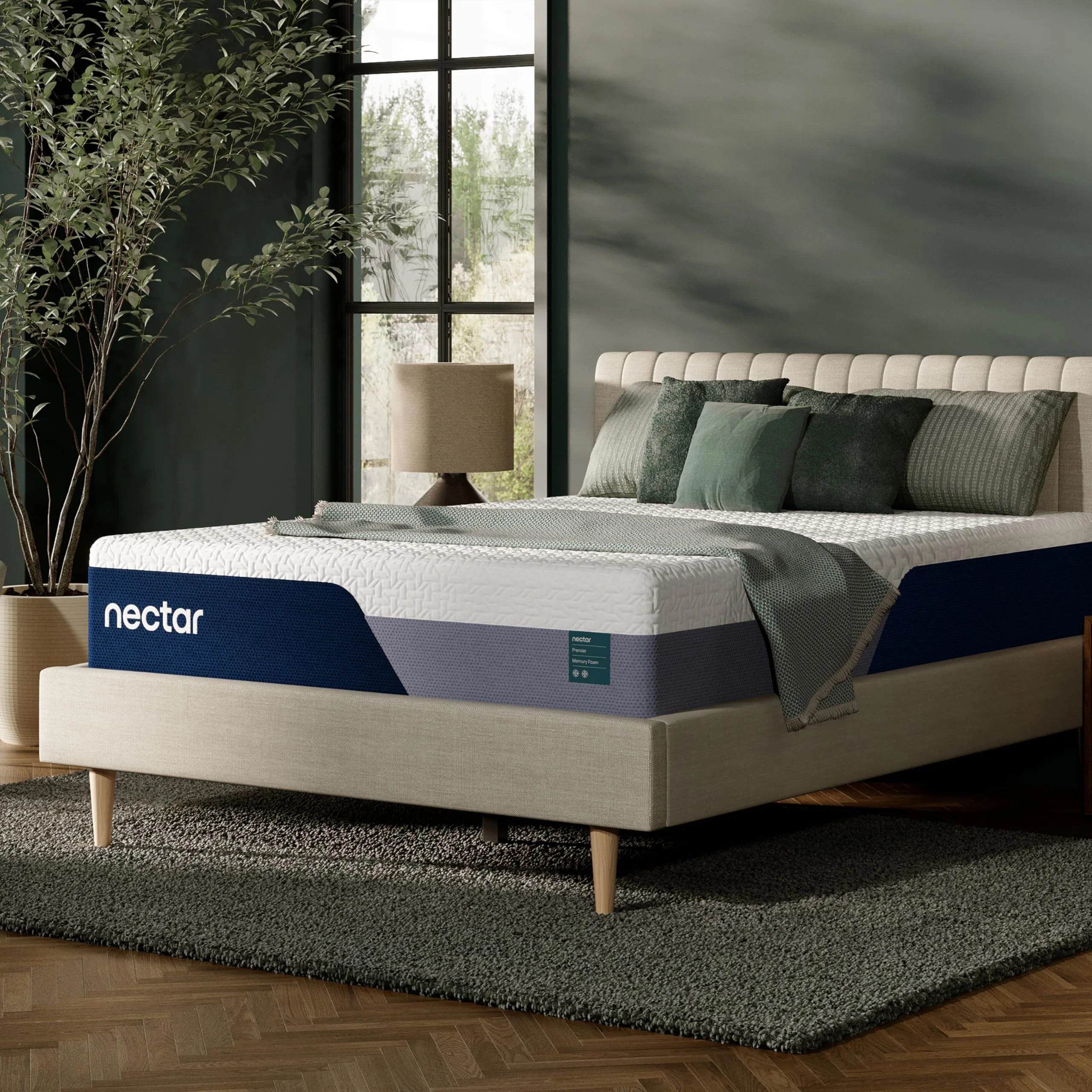
The Nectar Premier 13-Inch Memory Foam Mattress is listed for $999 at both Amazon and Walmart. The fragment provides no performance details for Nectar, so the price alone doesn’t establish how it compares for side sleepers.



Discussion
Sign in to join the discussion.