Essential Guide to Choosing the Right Trail Running Shoes for Every Terrain
Published Aug 04, 2026Reads 628By vkim
Discover how to select the ideal trail running shoes based on terrain, traction, and cushioning to enhance your running experience.
Trail running shoes have undergone a remarkable transformation, evolving into highly specialized gear tailored to various terrain types. This trend mostly benefits runners, but choosing the right shoe that resonates with your needs can be a daunting task.
For some individuals, ruggedness is key—they need deep lugs and robust protection suited for rocky mountain trails. Conversely, others prefer a more versatile shoe that allows for a smoother experience over dirt, gravel, and even brief stretches of pavement—not overbuilt, but just right for the terrain.
Understanding your needs hinges on factors like your running surfaces, desired cushioning levels, and how much traction you seek when the trail becomes challenging. Take a technical shoe, for instance: it may provide superior grip and stability on rugged paths but can feel cumbersome on flat, hard-packed trails. Alternatively, a cushioned shoe excels in comfort but could compromise responsiveness when navigating rocks and roots.
In curating our list, we honed in on models that are clearly designed with specific purposes in mind. Whether your goal is tackling long-distance runs, managing technical trails, or seeking a reliable everyday option, we’ve identified eight standout trail running shoes for 2026 that cater to diverse preferences and conditions. Each shoe featured here is selected for its unique strengths, ensuring that you can find the perfect fit for your running journey.
Choosing the Right Trail Running Shoe
When deciding on the best trail running shoe, it's essential to consider a set of distinctive features that differentiate one model from another. The performance of a shoe heavily depends on attributes such as traction, cushioning, fit, and protective elements that come into play when the trail demands more.
Understanding Traction Needs
Aggressive lugs are vital for tackling loose dirt, mud, and technical pathways. In contrast, if you're predominantly running on hardpack or gravel, shallower lugs provide a smoother ride. The rubber compound of the outsole also plays a crucial role: you'll want a material that grips well on wet surfaces without compromising durability on firmer ground.
Cushioning Choices
Cushioning is another critical element that can affect the comfort of your runs, especially over extended distances. While a higher stack height can enhance comfort, it may also detract from precision on uneven surfaces. Conversely, lower-profile shoes deliver a closer-to-the-ground feel, promoting better control and feedback but often providing less protection against rocky terrain.
Finding the Right Fit
A secure fit is paramount, particularly through the heel and midfoot areas, to enhance stability on descents and rugged terrains. Too much foot movement can lead to discomfort and blisters. Pay careful attention to the toe box as well; some runners prefer room for natural toe splay, while others are comfortable with a snugger fit for added control.
Stability and Trail Protection
Running on technical trails intensifies the need for stability and protection against obstacles. Features like rock plates, reinforced toe caps, and wider bases add necessary structure to help navigate rough terrains. The right level of protection depends on the trails: more rugged routes often require firmer builds, while smoother paths may favor lighter, more flexible options.
The Importance of Heel-to-Toe Drop
Heel-to-toe drop impacts how the shoe interacts with your feet and legs. Lower drops may feel more natural to some, while higher drops can alleviate stress on the calf muscles and Achilles. It’s essential to consider your familiarity with different drop heights to avoid injuries or discomfort when transitioning between shoes.
Terrain-Specific Matches
Ultimately, your trail running shoe should align with the terrain you frequent. Whether it's gravel roads, rocky trails, or muddy pathways, each surface demands specific traction and protection traits. By starting with your most typical running environment, you can quickly narrow down your options and streamline the selection process.
Top Trail Running Shoe Recommendations for 2026
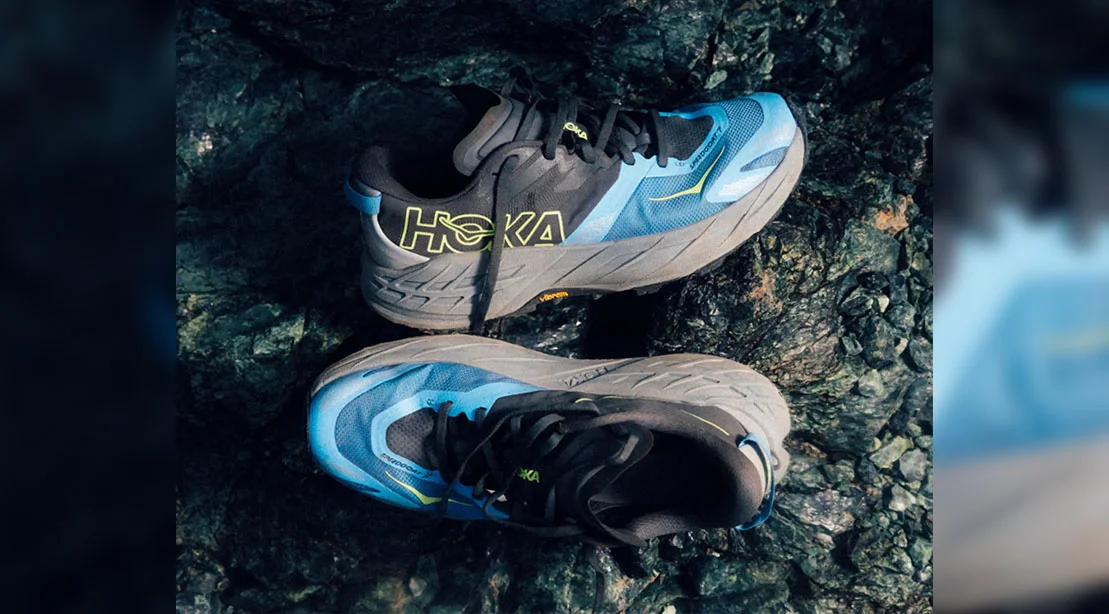
1. **Best Overall**: [Hoka Speedgoat 7](https://www.hoka.com/en/us/mens-trail/speedgoat-7/1171928.html)
2. **Best for Technical Terrain**: [Scarpa Ribelle Run 2](https://us.scarpa.com/products/ribelle-run-2-mens)
3. **Best Road-to-Trail Shoe**: [Scarpa Golden Gate LT](https://us.scarpa.com/products/golden-gate-lt-mens?variant=47297599963375)
4. **Best Zero-Drop Trail Shoe**: [Notace Yama 1](https://notace.com/products/yama-men?srsltid=AfmBOorH3RbjpMHvkTBvCIwjmUfA5KRsEWjcnjP6OYoIlrrKzH0lCH8k&variant=47733835694317)
5. **Best for Gravel and Light Trails**: [Karhu Ikoni ATR](https://us.karhu.com/products/karhu-mens-ikoni-atr-white-sand-chili)
6. **Best for Mixed-Terrain Long Runs**: [Rossignol Vercors](https://www.rossignol.com/us-en/mens-vercors-trail-running-shoes-RNOMC50316.html)
7. **Best Max-Cushion Trail Shoe**: [The North Face Altamesa 500 V2](https://www.thenorthface.com/en-us/p/mens/mens-footwear/mens-trail-run-213281/mens-altamesa-500-v2-shoes-NF0A8DAJ?color=TFL&utm_content=ecomm&utm_medium=cpc&utm_source=google&utm_campaign=US+%7C+all+%7C+Hybrid+%7C+SHOP+-+AUT+~+All+Br+Trending+%26+Priority+Products+Cluster-+General+-+PMax+Shopping+%7C+UC10&utm_term=&gclsrc=aw.ds&gad_source=1&gad_campaignid=23036433013&gbraid=0AAAAADl87iZbafdf05Obwdew2hdNjkTk2&gclid=Cj0KCQjw94bTBhDQARIsAN3vv0zUd8xoWYu-OgbMbpiSJV7ox4i38FvL_gnpl-7n-b3T1FaUXKQjKpgaAt_rEALw_wcB)
8. **Best for Ultramarathons**: [Salomon Ultra Glide 4](https://www.salomon.com/en-us/product/ultra-glide-4-li8842/L47956900)
As you decide on your trail running footwear for the year, consider the unique features of each model and how they align with your specific running style and terrain preferences.
Final Thoughts: Selecting Your Trail Companion
When it comes to choosing the right trail shoe, the decision isn't just about numbers—it's about how those numbers translate into real-world performance. The Vercors by Rossignol and The North Face's Altamesa 500 V2 both offer unique features tailored to different styles of running, but they also reflect a broader trend in the footwear market: the need for balance between cushioning and stability.
Take the Vercors, for example. Priced at $160, it boasts a thoughtful design that keeps comfort front and center for long miles while ensuring enough structure for uneven surfaces. With its E+FOAM EverFoam midsole, the shoe can absorb impact effectively without compromising on responsiveness—a must-have for any runner facing variable terrain.
On the other hand, if you prefer something with more generous cushioning, The North Face’s Altamesa 500 V2 steps up to the plate, offering a soft landing thanks to its nitrogen-infused midsole. While this shoe leans towards plush comfort, its managed weight of 9.8 ounces makes it surprisingly agile for a max-cushion option. Here, the focus isn’t just on going the distance, but doing so with a level of pampering that supports fatigue management over extended runs.
Still, these options come with trade-offs. The Vercors, while protective, weighs a bit more than lighter shoes, which might matter when seconds count during shorter races. And the Altamesa, despite its cushion, could leave those preferring a keen ground feel feeling detached.
Ultimately, the choice boils down to your running habits. If your routes demand adaptability, the Vercors might be your best bet. For those longer jaunts on less technical paths, the Altamesa 500 V2 could be just what you need for a plush, supportive experience.
Choosing a trail shoe isn’t just about following trends; it’s about knowing your own preferences and the conditions you face. As more options flood the market, keep in mind that the best shoe for you is the one that strikes the ideal balance between support, comfort, and your personal style of running.
Discussion
Sign in to join the discussion.