To effectively shed body fat without losing muscle, focus on a balanced approach that includes structured training, adequate protein intake, and strategic calorie deficits.
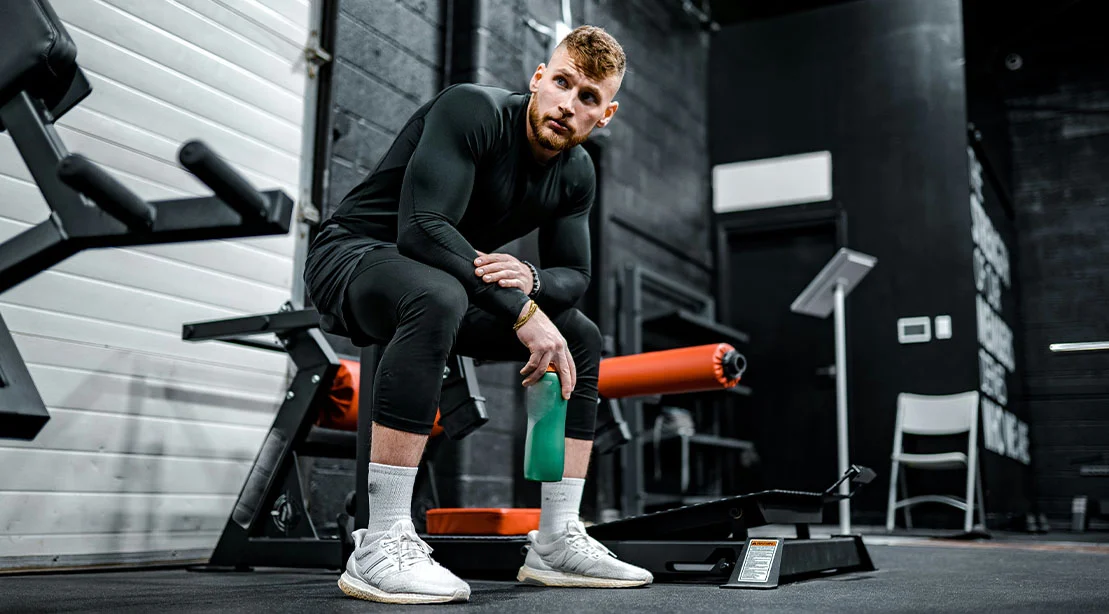
Losing body fat while maintaining muscle mass demands a calculated strategy rather than a simplistic calorie restriction. It's not enough to merely lower calorie intake; your body needs incentives and the right nutrients to retain muscle while utilizing stored fat for energy. Key components of this process include a deliberate exercise regimen, a focus on protein consumption, a moderate calorie deficit, and well-paced physical activity throughout the day.
Prioritize Structured Training
One common pitfall during fat loss is the tendency to shift from specialized hypertrophy training to workout routines focused solely on high-repetition circuits designed for fat burning. Simply working up a sweat doesn't guarantee effective fat loss or muscle preservation. For that, your body needs a clear directive to hold onto muscle, which is achieved through progressive resistance training.
Experienced lifters should consider maintaining a training frequency of four to five times a week with an emphasis on hypertrophy. Training should involve sufficient volume and intensity paired with good technique, stopping challenging sets with a few repetitions left in the tank rather than pushing to complete failure.
Manage Training Volume Carefully
Effective training volume isn’t about doing as many sets as possible; it’s about ensuring that those sets meaningfully stimulate the target muscles. Avoid what’s termed “junk volume,” which refers to sets performed without adequate effort or proper execution that may lead to fatigue but not muscle growth. Accumulating unnecessary fatigue during a calorie deficit—when your body’s recovery resources are limited—can undermine your efforts significantly.
Aim to preserve your strength levels as much as possible. If you could perform ten controlled repetitions at a given weight prior to your diet, strive to stay close to that performance level throughout your training rather than shifting to light weights and excessive repetitions.
Optimize Rest Intervals
While shorter rest periods may be tempting for their perceived fat-loss benefits, they can inhibit your ability to execute subsequent sets effectively. Quick turnarounds can lead to diminished performance due to muscular fatigue. A more practical guideline is to allow yourself two to three minutes of rest between challenging sets, particularly for complex, multi-joint movements like squats or bench presses.
Research indicates that longer rest periods contribute to better strength and hypertrophy results, mostly because they support higher training performance and volume. Keep in mind that shorter rests can still be useful for isolation exercises or quick warm-up sessions, but your primary goal during resistance training should focus on quality over quantity.
Aim for a Moderate Calorie Deficit
Establishing a calorie deficit is essential for fat loss, but it's crucial that this is done judiciously. A smaller deficit—roughly 15% to 25% below maintenance calories—is usually more effective than drastic cuts that can lead to poor performance and muscle loss. For example, someone maintaining weight on 2,500 calories might reduce their intake to between 1,875 and 2,125 calories daily, adjusting according to their goals and body composition.
It’s also worthwhile to track your weight loss rate. Aiming for a gradual drop of about 0.5% to 1% of body weight per week is both sustainable and safer. If rapid weight loss starts affecting strength, recovery, or mood negatively, you may need to moderate your calorie deficit.
Ensure Sufficient Protein Intake
Protein serves as the backbone for muscle repair and maintenance, especially when calories are restricted. A systematic review has demonstrated a strong correlation between protein consumption and retention of fat-free mass during weight loss phases, particularly for those engaged in resistance training. It’s recommended that individuals consume between 2.0 to 2.7 grams of protein per kilogram of body weight daily.
Integrate protein evenly across multiple meals throughout the day, aiming for three to five servings of high-quality protein. This consistent distribution aids in muscle protein synthesis, which is vital during periods of energy restriction.
Use Cardio Wisely
While cardio can be a valuable tool for boosting calorie expenditure and heart health, it should be balanced with resistance training to prevent interference with recovery. Begin with manageable sessions, such as four 25-minute sessions per week of moderate-intensity efforts. This approach is less exhausting and promotes sustainability.
Incorporating daily walking, aiming for around 9,000 to 10,000 steps, can also enhance energy expenditure without excessive fatigue. Alternatively, consider tracking your usual daily steps and increasing them by about 20% to promote additional activity without overwhelming your body.
Make Nutrition Enjoyable
Successful fat loss doesn’t have to come at the cost of enjoyment in food. Rigid eating patterns often lead to unsustainability, so it’s essential to include satisfying foods in moderation. Healthy rewards can play a significant role in your dietary plan, allowing for treats that enhance both taste and compliance.
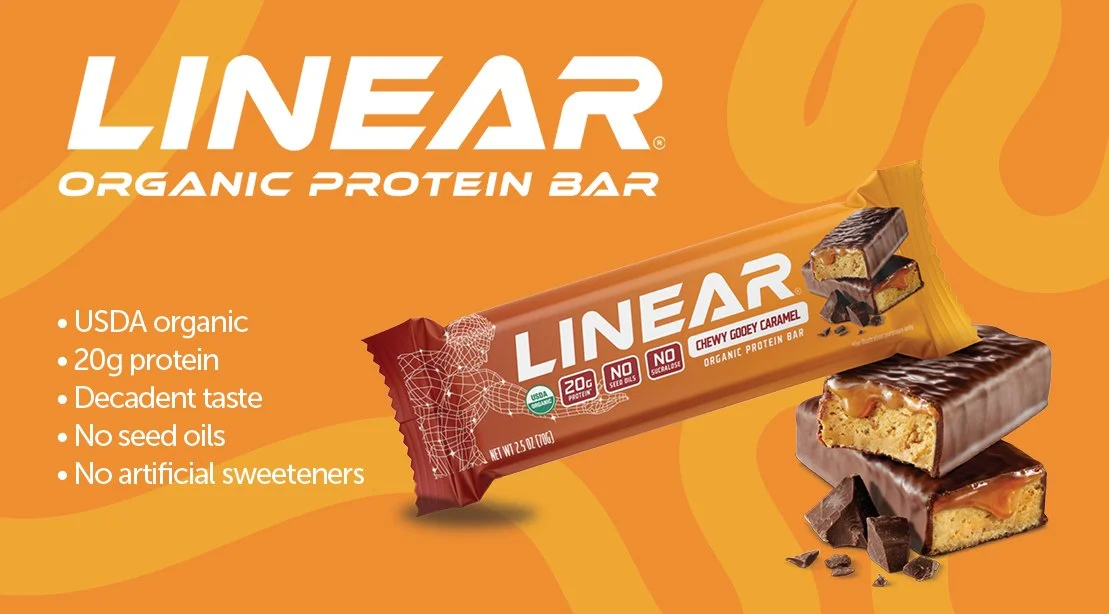
In this context, products like Linear Bars can be conveniently integrated into your regimen. They offer a satisfying and delectable option containing complete protein and fiber, all while fitting into your nutritional framework. However, they should complement a foundation based on lean proteins, fruits, vegetables, and whole grains.
The key to successful fat loss lies not in extreme measures but in maintaining a structured, evidence-based approach that preserves muscle. Coupling intelligent training with adequate protein intake and moderated calorie deficits can lead to long-term success. Enjoy the journey and include nutritious indulgences that keep your motivation high while contributing to your progress.
References
- Refalo, M. C., Helms, E. R., Trexler, E. T., Hamilton, D. L., & Fyfe, J. J. (2023). Influence of resistance training proximity-to-failure on skeletal muscle hypertrophy: A systematic review with meta-analysis. Sports Medicine, 53(3), 649–665. https://doi.org/10.1007/s40279-022-01784-y
- Schoenfeld, B. J., et al. (2016). Longer interset rest periods enhance muscle strength and hypertrophy in resistance-trained men. Journal of Strength and Conditioning Research, 30(7), 1805–1812. https://pubmed.ncbi.nlm.nih.gov/26605807/
- Refalo, M. C., et al. (2025). Effect of dietary protein on fat-free mass in energy-restricted, resistance-trained individuals: An updated systematic review with meta-regression. Strength and Conditioning Journal. https://doi.org/10.1519/SSC.0000000000000888
Muscle & Fitness and JW Media, LLC were not involved in the creation of this sponsored content. The views and claims expressed do not necessarily reflect those of Muscle & Fitness or its editorial staff.
Discussion
Sign in to join the discussion.