Military leaders emphasize the intertwined nature of physical and mental health, offering actionable tips for better overall wellness.
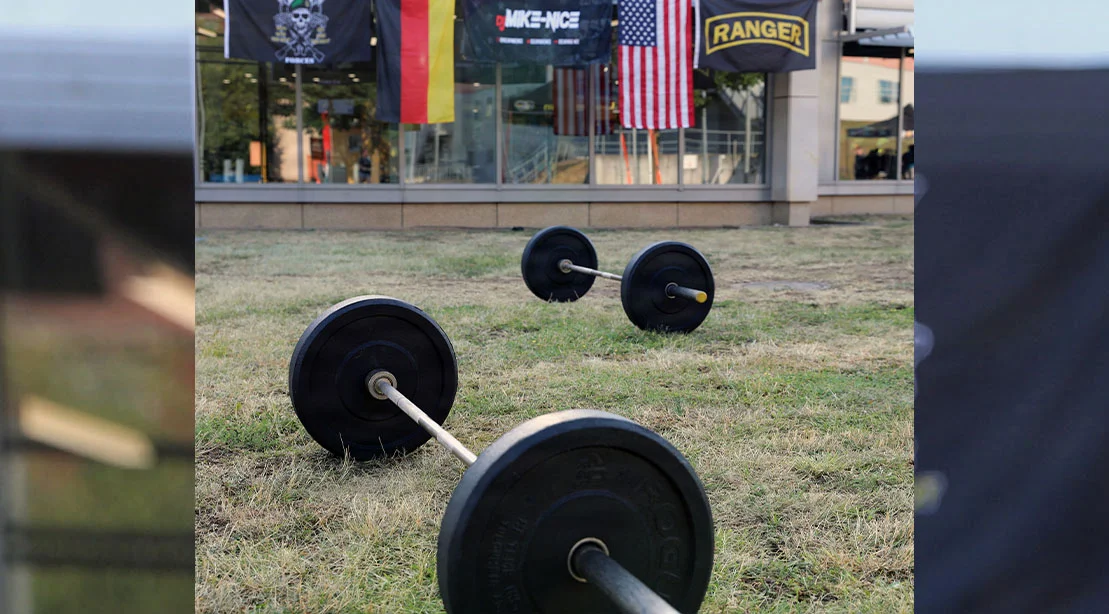
President John F. Kennedy often voiced a strong concern for the physical health of Americans, dubbing a growing sense of “softness” as an issue worth addressing. His December 1960 article in Sports Illustrated underscored the idea that physical fitness is essential not just for bodily well-being but also for enhancing intellectual capabilities. This foundational belief has evolved alongside our understanding of wellness, which now includes a crucial emphasis on mental health as well.
Fast forward to the early 2000s, President George W. Bush made strides in this realm by establishing the New Freedom Commission on Mental Health. He reframed mental health issues as legitimate illnesses deserving treatment, echoing a growing recognition that mental wellness is just as vital as physical fitness. “Mental disability is not a scandal; it is an illness,” Bush noted, pushing for societal awareness about mental well-being.
As August unfolds, marking National Wellness Month, the need to balance attention between physical and mental health becomes even more apparent. For five years, Muscle & Fitness (M&F) in collaboration with Fit to Serve has consulted military and government leaders on how they optimize wellness—a practice anyone can adopt for personal growth.
The Interconnection of Physical and Mental Health
Achieving a harmonious balance between physical and mental health might seem challenging. However, insights from military experiences show that these two domains can effectively support each other. Take, for instance, Air Force Senior Master Sergeant Aaron Lin, who openly discussed how sports played a substantial role in his recovery from Post-Traumatic Stress Disorder (PTSD). His involvement with the Air Force Wounded Warrior (AFW2) program opened up avenues for competitive sports, enhancing his mental and physical health simultaneously.
“Sports and fitness elevated my recovery to a place where I never thought possible,” Lin remarked, highlighting the joy and fulfillment of being part of a team focused on achieving a shared goal.
In a similar vein, Trina Clayeux, CEO of Give an Hour, observed that as veterans began to recognize self-care as a communal responsibility, their interest in physical health grew. Her perspective applies broadly, affirming that anyone—whether veteran, active-duty member, or civilian—can derive benefits from prioritizing both aspects of health. “The practice of it is so important because of the compound effect,” she noted, emphasizing that small changes can lead to significant progress.
Practical Tips for Enhancing Wellness
Embarking on a wellness journey may feel daunting when considering both physical and mental health. Starting small can lead to sustainable progress and motivate newcomers to fitness. Here are some suggestions to integrate into daily life:
- Set Physical Goals – Veterans might want to revisit their branch’s fitness test to gauge their current abilities and establish goals for improvement. Future service members can proactively begin their fitness assessments. Meanwhile, families can engage their children by enrolling in the Presidential Fitness Test, reintroduced under President Trump in July 2025.
- Focus on Nutrition for Recovery – Proper nutrition is vital for overall wellness. The Army has stepped up its commitment to providing high-quality food options for soldiers. Leaders like Lieutenant General Chris Mohan and Chef Robert Irvine have launched initiatives such as 42 Bistro at Fort Hood, Texas, aiming to transform soldiers' dietary experiences into something that fosters camaraderie.
Mohan emphasized the power of shared meals: “When you can eat, break bread together, it helps build the team.” This principle can extend beyond the military, encouraging families to foster connections over nutritious meals.
Engagement in Community Service – Many military personnel find motivation in serving a greater cause, which supports their mental well-being. Ramón Colón-López, a former Senior Enlisted Advisor to the Chairman of the Joint Chiefs of Staff (SEAC), believes that impactful community contributions can begin at any age. The term “service” isn’t exclusive to the military—it encompasses any form of community involvement. He noted, “Service is a choice that younger people can make that can make them feel a part of something bigger than themselves.”
A Call for Continuous Commitment to Wellness
Over the decades, American leaders have consistently highlighted the importance of health and wellness. While National Wellness Month is a designated time for reflection, the pursuit of wellness should be an ongoing commitment. By actively prioritizing personal health, individuals contribute not only to their well-being but also to the vitality of their families and communities. This collective responsibility aids in fostering resilience and preparedness as we face future challenges.
M&F Senior Military Editor Rob Wilkins contributed to this article.
Discussion
Sign in to join the discussion.