Stand-alone Medicare drug plan premiums are projected to climb sharply in 2027, making open enrollment a key chance to cut costs.
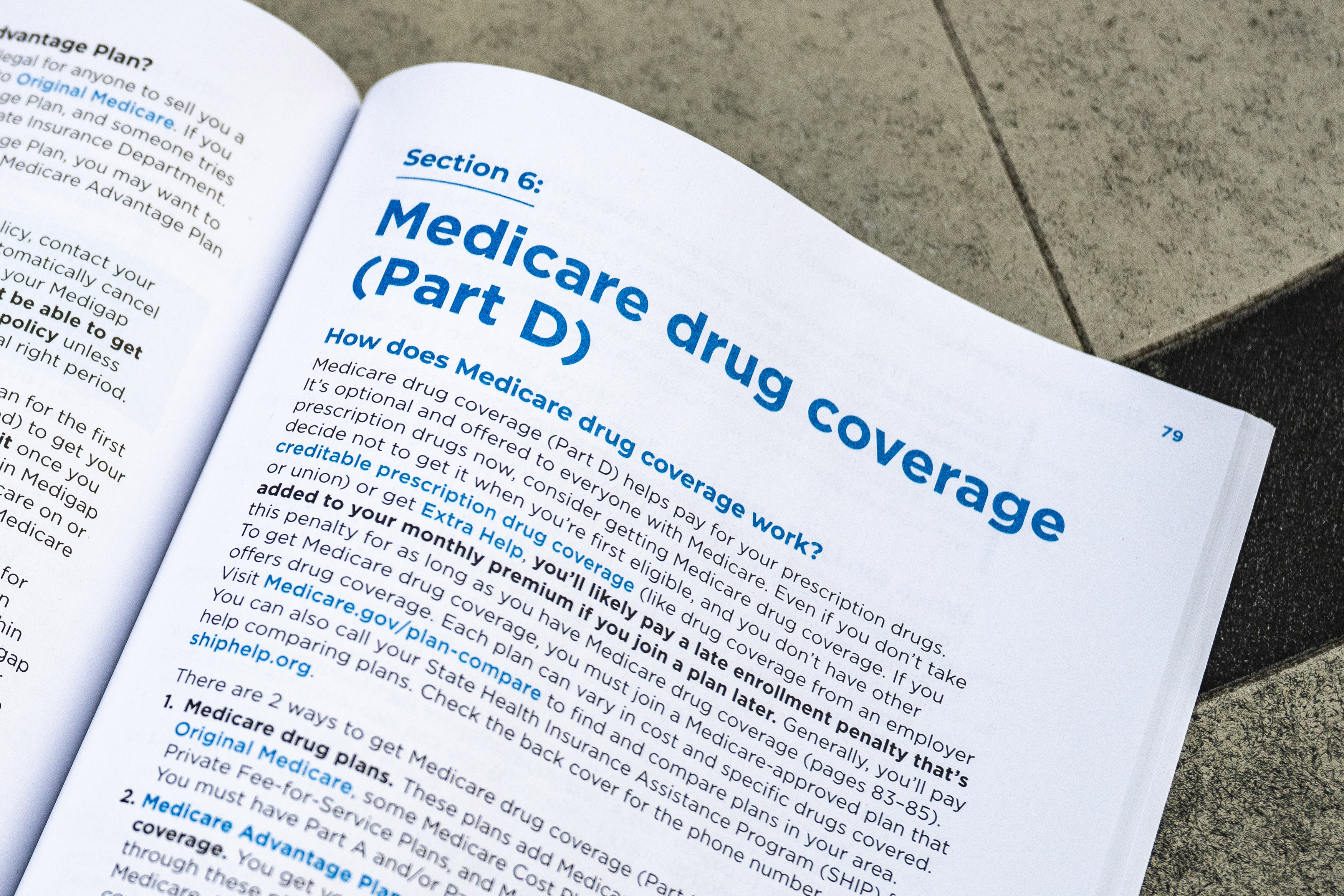
People with stand-alone Medicare prescription drug plans face a costly choice in 2027: change plans during open enrollment or risk paying much more to keep their current coverage. KFF estimates average monthly premiums will rise 50%, from $34 to $51.
The increase isn’t inevitable for every enrollee. Robert Travis Scott of Abingdon, Virginia, compared plans after learning his AARP-UnitedHealthcare premium would jump from $39.60 a month in 2026 to $121.90 in 2027. He found a Humana plan with similar benefits for $19.30 a month.
“Yes, I am quite happy about that,” Scott said. He estimates the switch will save him about $1,000 next year. He was surprised by the increase and concerned that other seniors might not compare their options. Medicare’s open enrollment period runs through Dec. 7.
“With some plans increasing premiums substantially, the stakes are higher this year for people with Medicare stand-alone drug coverage if they sit on the sidelines during open enrollment,” said Juliette Cubanski, KFF’s vice president and director of the Program on Medicare Policy. KFF is a health information nonprofit that includes KFF Health News.
Different coverage, different cost increases
The projected jump applies to stand-alone prescription drug plans, which cover nearly 25 million people, according to KFF. About 31 million people get drug coverage through Medicare Advantage, private health plans that replace traditional Medicare coverage.
For Medicare Advantage enrollees, KFF projects that the average monthly amount for drug coverage will rise by less than $2, reaching $9 in 2027. More than half of Medicare beneficiaries are enrolled in these plans, which usually include a drug benefit.
Premiums are only one part of the bill. Most people with Medicare drug coverage will also face an annual deductible in 2027. KFF puts the average at $643 for stand-alone plans, up from $540 in 2026. For Medicare Advantage drug coverage, the projected average deductible is $489, compared with $360 this year.
KFF also found that most enrollees will face coinsurance rather than copayments. Coinsurance means paying a percentage of a drug’s price, so the amount owed can vary with the medicine’s cost.
Why premiums may be climbing
One possible factor is the Centers for Medicare & Medicaid Services’ decision in July to end a three-year pilot that subsidized stand-alone plans. The program made payments to plans in 2025 and 2026, but CMS ended it after two years. KFF said the decision could contribute to higher premiums in 2027.
CMS Administrator Mehmet Oz has described the subsidy program as a bailout for the insurance industry.
KFF’s estimate differs from a CMS projection that the national average premium will increase by $1, from $35 to $36. CMS based its projection on September 2026 enrollment. KFF said CMS did not explain how it calculated the figure and may have assumed that beneficiaries would switch to less expensive plans. CMS did not immediately respond to a request for comment on KFF’s findings.
Millions could pay more if they stay put
About 10.4 million people—76% of stand-alone plan enrollees who don’t receive low-income subsidies—will pay higher monthly premiums in 2027 if they remain in their current plans, KFF found. That includes 4.1 million people now enrolled in plans with no monthly premium. KFF’s analysis found that no zero-premium stand-alone plans will be available next year.
The projected increases come as drug costs remain a source of concern for voters ahead of the November midterm election. President Donald Trump has said his administration negotiated lower prices with drug manufacturers. At an Oct. 28 rally in Ohio, he said, “We have the lowest drug prices anywhere in the world. We went from the highest drug prices, we now have the lowest drug prices, favored nations, anywhere in the world.”
What people actually pay depends on the medicines they need and the insurance coverage they choose. This year’s premium estimates point to a practical takeaway for stand-alone plan members: comparing coverage during open enrollment could make a substantial difference to next year’s costs.
KFF Health News is a national newsroom that produces in-depth journalism about health issues and is one of the core operating programs at KFF—an independent source of health policy research, polling, and journalism. Learn more about KFF.This article first appeared on KFF Health News and is republished here under a Creative Commons Attribution-NonCommercial-NoDerivatives 4.0 International License.



Discussion
Sign in to join the discussion.