A 104-week trial found similar weight loss with diet drinks and water, while sugar intake fell slightly more among participants drinking low-calorie beverages.
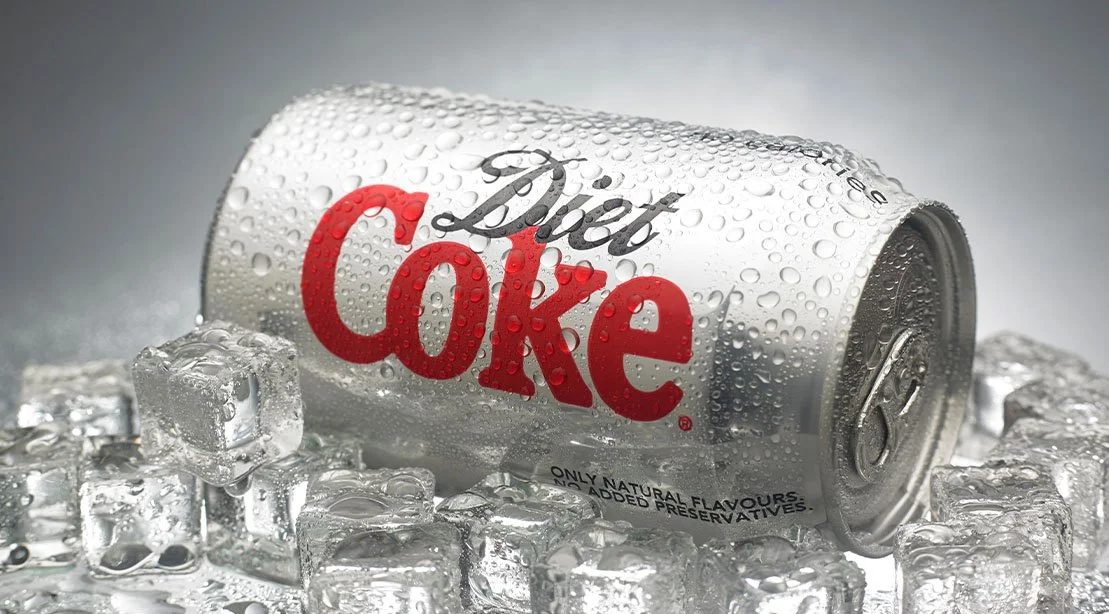
A two-year randomized trial adds long-term evidence that low-calorie sweetened drinks don’t appear to stall weight loss. Participants assigned to drink them lost about as much weight as those assigned to drink water, while the sweetened-drink group reduced sugar intake slightly more. That’s a useful finding in a debate often framed as a choice between sweeteners and water, though the trial doesn’t show that sweetened drinks are better for weight loss.
How the trial compared drinks
Researchers at the University of Liverpool followed 493 adults with overweight or obesity through a structured weight management program for 104 weeks. The results, published in the British Journal of Nutrition, extend a 2023 study that also found no evidence that diet drinks hinder weight loss. The longer follow-up matters because short-term changes don’t always persist: people’s eating and drinking habits can shift as a program continues.
One group was asked to drink water. The other could choose from 20 commercially available, sugar-free drinks containing aspartame, sucralose or acesulfame. Each contained fewer than 2.1 calories per 100 milliliters, and participants in this group were asked to drink at least two 330-milliliter servings a day. They could also drink water. Neither group was barred from sugary drinks, though both received coaching to cut back.
That setup reflects a practical question: can sweetened drinks fit into a weight management program without undermining it? Participants weren’t assigned a tightly controlled diet in which every drink was dictated, so the findings speak to a coached program with room for personal choice. They don’t isolate every effect of sweeteners from the broader changes participants were encouraged to make.
Weight loss was similar; sugar intake fell
After two years, the difference in weight loss between the groups wasn’t statistically significant. Both maintained weight reductions and saw smaller waist measurements and improvements in body composition. Sugar intake declined slightly more among those drinking low-calorie sweetened beverages. The results point to comparable outcomes in this program, rather than a clear weight-loss advantage for either drink choice.
That result challenges the concern that these drinks necessarily intensify sugar cravings or appetite. It doesn’t establish that they suppress cravings, but the trial found no sign that they prompted greater sugar consumption. Here’s the thing: a finding of no meaningful difference can still matter when a widely held concern is that one option will make weight management harder.
The numbers here are underwhelming if you’re looking for a dramatic edge for sweetened drinks. Yet the absence of a clear disadvantage over two years is more significant than it looks for people who find water alone an unappealing substitute for sugary beverages. A workable swap may help some people reduce sugar; that doesn’t mean it’ll suit everyone. A modest result, with practical relevance.
What the findings do and don’t establish
Professor John Halford, the study’s lead author, said the research provides long-term clinical evidence that had been missing from discussions about sweetened drinks. Professor Harrold said the findings don’t support concerns that sweeteners disrupt appetite or cause weight gain when tested in a long-term randomized trial. Those comments describe what the study observed under its conditions, not a guarantee about every drink, diet or person.
The trial compared two approaches within a structured weight management program, and both groups received coaching to cut back on sugary drinks. Because neither group was prohibited from consuming them, participants’ actual choices remained part of the picture. The findings therefore offer evidence about how these drink options performed in that setting, while leaving open how people might respond outside a coached program.
Implications for people managing weight
For weight management, the practical takeaway is measured: low-calorie sweetened drinks performed similarly to water in this program and may offer an alternative for people reducing sugary beverages. If you’re working on cutting back, the trial supports considering them as one possible option, while keeping overall diet and personal preference in view. That said, it doesn’t show that sweetened drinks are necessary, or that choosing them by itself leads to weight loss.
More broadly, the study shifts the discussion from assumptions about appetite to observed outcomes over time. It offers reassurance against the claim that these drinks inevitably derail weight loss, while leaving questions about individual preferences and the role of the rest of the diet in place. For now, the evidence supports a restrained conclusion: in this program, water and low-calorie sweetened drinks were compatible with similar weight loss.



Discussion
Sign in to join the discussion.