IFBB Pro bodybuilder Sheriff Taiwo emphasizes walking as a practical fat-loss strategy, highlighting its accessibility and effectiveness.
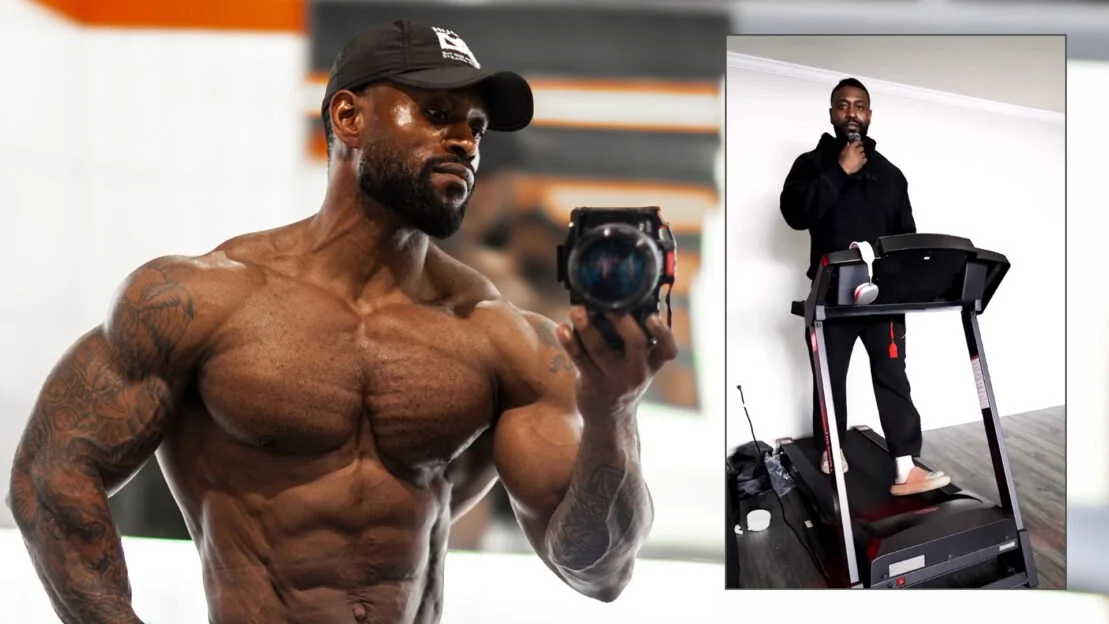
IFBB Pro bodybuilder and fitness coach Sheriff Taiwo, known as “FitDad,” emphasizes that achieving weight loss doesn’t require intense workouts or long runs. Instead, Taiwo advocates for something simple yet effective: walking. “What I’m about to share with you is one of the biggest fast loss hacks,” he states, underscoring the power of daily walks for those balancing various commitments, including elite athletes.
Why Walking is Effective for Fat Loss
Walking not only supports heart health but also positively influences mood, making it an ideal choice for fitness enthusiasts and casual exercisers alike. This activity allows individuals to maintain a level of physical fitness without the stress of costly gym memberships or complex workout routines. Taiwo points out that walking serves as an excellent calorie-burning mechanism for anyone, from busy professionals to competitive bodybuilders, without imposing significant recovery demands. “Here’s why walking wins,” Taiwo explains. “It burns fat without eating into your recovery. I can walk for 45 minutes and still hit legs the next day. Try that after 30 minutes of sprints.”
Email newsletters from fitness influencers often showcase high-intensity interval training (HIIT) or complex cardio routines, but Taiwo’s approach steers clear of such extremes. Unlike more vigorous cardio exercises, walking tends not to spike appetite, allowing for better control over food intake. “Hard cardio makes you hungry. Walking doesn’t send you into the pantry at 9 PM looking for something to reward yourself with,” he notes, making it a more manageable option for those trying to shed pounds without the psychological and physiological hunger traps introduced by high-energy workouts.
Moreover, walking offers a host of mental benefits that can’t be overlooked. Engaging in this low-impact exercise doesn’t just burn calories; it also contributes to enhanced mood and cognitive function, making it a multifaceted tool for wellness. The simplicity of slipping on a good pair of shoes and heading out for a stroll can't be overstated. With so many complicated weight loss fads on the market, the emphasis on walking as a method for fat loss is refreshing. It’s approachable for everyone.
Integrating Walking into Your Routine
Taiwo recommends aiming for about 150 minutes of walking each week, which translates to roughly 30 minutes a day for five days. This doesn’t have to be overwhelming; it can easily fit into a busy schedule. For those pressed for time, breaking it into shorter segments can be effective. “Ten minutes after breakfast, fifteen at lunch. Twenty pushing my son around the neighborhood after dinner. That’s 45 minutes, and I never ‘worked out,’” he shares, making the goal feel more achievable.
Here's the thing: with an average U.S. adult weighing around 190 pounds, just 30 minutes of walking at a brisk pace can burn about 150 calories. Stick to this routine, and you could cut over 1,000 calories from your weekly intake without drastic changes to your lifestyle. However, the focus shouldn't solely be on calorie numbers. Walking is not just effective but also accessible, whether outdoors or on a treadmill, as Taiwo suggests. It invites everyone to participate. You don’t need special equipment or a gym membership. If you're working in this space, you’ll likely appreciate how that lowers the barrier to entry.
What really stands out is Taiwo’s assertion that sustainability is key. “It’s the one thing you’ll actually still be doing in six months. And that’s the whole game. Consistency beats intensity every single time.” His emphasis on maintaining a habit that individuals can stick with aligns well with fitness research that consistently reveals how fleeting bursts of effort often fall short of lasting change.
Implications and Future Outlook
The dialogue around exercise recommendations has seen a shift in recent years. More emphasis is being placed on moving beyond traditional ideas about fitness that suggest strenuous workouts are the only path to success. Taiwo's perspective, championing walking, aligns with a growing recognition of the mental and physical benefits attached to everyday movement. It is a striking parallel to the insights many health professionals advocate, which increasingly point to the importance of lifestyle changes over extreme dieting or rigorous exercise.
The implications here extend far beyond just weight loss. As more people adopt walking as a cornerstone of their fitness journey, we might see a cultural shift toward valuing accessibility in health and wellness. This could democratize fitness, putting it within reach for a wider audience regardless of age, fitness level, or financial means. For many, this shift may result in better overall public health outcomes. People won’t just feel better physically but could see improvements in mental health as they incorporate more movement into their daily lives.
As we think about the future, walking could emerge as a normalized component of fitness dialogue, prompting communities, workplaces, and public health organizations to embrace initiatives that encourage more movement throughout the day. Imagine more sidewalks and pedestrian-friendly spaces. This could be more than just about weight loss; it’s about fostering healthier communities.
Follow Sheriff “FitDad” Taiwo on Instagram here.
Discussion
Sign in to join the discussion.