A new study suggests that smelling dark chocolate can boost workout reps without increased effort, highlighting the link between aroma and motivation.
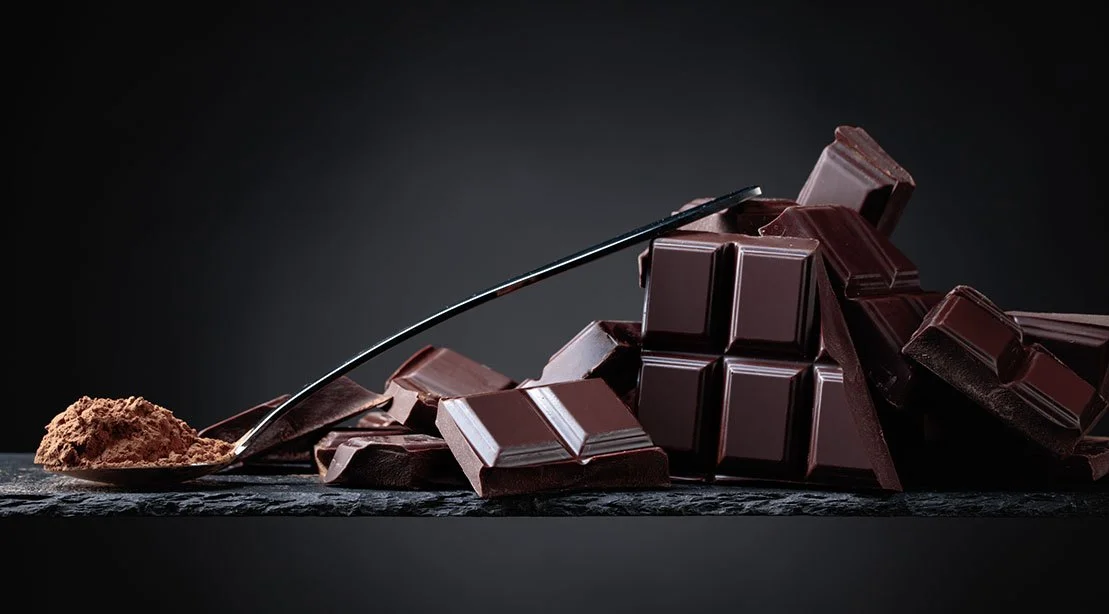
A recent study reveals that simply inhaling the scent of dark chocolate can enhance workout performance, allowing participants to complete more repetitions with no increase in perceived exertion. This intriguing finding underscores the connection between food aromas and our motivational levels during exercise. Tapping into how sensory experiences can influence physical activities could lead to novel approaches in fitness and wellness, an area often overlooked by traditional exercise regimens.
According to Dr. Mohamed Nashrudin bin Naharudin, the senior author of the research published in Frontiers, “Exposing moderately trained men to chocolate odors right before and between sets of resistance exercise significantly increased their overall training volume without increasing their perceived exertion.” This observation is critical; the ability to boost repetitions while keeping discomfort at bay highlights a notable psychobiological effect. It suggests that our senses are more intertwined with physical performance than we typically acknowledge, adding a layer of sensory strategy to exercise.
Study Methodology
The research involved a small cohort of 23 men in their twenties, divided into three groups. Each participant underwent an exposure phase 15 minutes before their exercise, with group assignments as follows:
- Group 1: Smelled liquefied dark chocolate (90% cocoa)
- Group 2: Smelled liquefied milk chocolate (60% cocoa)
- Group 3: Smelled water only
This is a crucial detail: participants fasted for over 10 hours before performing leg extension exercises, emphasizing the strong potential influence of aroma on exercise performance even in a state of hunger. When participants are in a fasted state, their bodies are primed for energy production, and introducing an olfactory stimulus could yield even more pronounced results. Yet, the small sample size presents limitations when considering broader applicability. Involving more participants from varied demographics would provide valuable insights.
Results and Observations
Despite the prolonged fasting and the demands of their workout, those exposed to the dark chocolate scent reported lower hunger levels, reduced desire to eat, and a heightened sense of fullness post-exercise. The psychological implications here are significant; sensory experiences can modulate not just physical performance, but also our internal states related to hunger and energy. While milk chocolate was the preferred aroma among participants, it didn’t have the same appetite-suppressing effects as dark chocolate.
In terms of performance, both chocolate scents improved the number of leg extension repetitions, with dark chocolate leading the way. Dr. Nashrudin noted that “sniffing a 90% dark chocolate odor added about 18 more repetitions to participants’ leg extensions, while a 60% milk chocolate odor added about nine repetitions compared to the water control.” This difference raises intriguing questions about the neurological mechanisms at play. Why does dark chocolate scent yield greater results? The researchers theorize that from a young age, our brains learn to associate certain smells with rich and satisfying foods. This is where it gets interesting: “The dark chocolate scent serves as a learned cue for a rich, bitter, and highly satiating food, which essentially tricks the system into an anticipatory state of fullness,” Dr. Nashrudin explained. (And this is the part most people overlook.) In contrast, the sweeter aroma of milk chocolate acts more as a rewarding cue, creating a pleasant sensory experience without altering basic hunger signals.
This revelation is more significant than it looks. The implications extend beyond just the workout. If sensory stimuli can manipulate our perceived exertion and hunger levels, this could reshape dietary strategies and performance psychology. Future gym routines might integrate sensory stimuli to enhance workouts, making even the most mundane of resistance exercises feel less grueling.
Future Outlook and Implications
While the sample size was limited, the researchers aim for future studies involving larger groups. Plans to monitor blood, hormone levels, and brain activity will unravel how aromas can influence athletic performance and what underlying mechanisms are at play. What this means for you, the reader, is an impending shift in how fitness may be approached. Forget just physical training; the landscape of performance could also evolve to embrace sensory engagement.
This could have wider implications across different demographics, extending not only to athletes but also to casual gym-goers and even those in rehabilitation. The introduction of sensory elements in workout settings may empower individuals to achieve their fitness goals more effectively, but it also raises ethical questions about whether incorporating such psychological triggers into exercise is manipulative. Ultimately, as this research evolves, it could lead to a rethinking of fitness environments and nutrition assimilations, impacting how we understand physical performance and everyday health habits.
Discussion
Sign in to join the discussion.