Explore how BRCA mutations affect cancer risk, featuring personal stories and insights from genetic experts in the latest podcast episode.
Understanding the Genetic Blueprint
The human genome contains approximately three billion nucleotides, this immense code dictates cellular behavior. Yet, what happens when errors occur within this genetic framework? Mistakes in the genetic code can lead to a multitude of health conditions, especially various types of cancer. The link between genetics and cancer has gained substantial attention in recent years, particularly as advances in genetic testing have emerged.
Genetic Risks and BRCA Mutations
In this episode of That Cancer Conversation, hosted by Cancer Research UK, Sophie delves into genetic risks tied to cancer, specifically through the lens of BRCA mutations. The BRCA1 and BRCA2 gene mutations are well-known culprits in hereditary breast and ovarian cancer. Individuals with these mutations face a significantly higher risk of developing these malignancies, which raises important questions about genetic testing and proactive health measures.
The conversation around these mutations is not merely academic; it can have profound implications for individuals and families. There's a sense of urgency in understanding one's genetic risk. With testing becoming more accessible, many are weighing whether they should know their genetic status or not. Finding out you carry a mutation can lead to preventative surgeries or surveillance strategies that significantly alter one's life.
Insights from Experts
Joining her is Professor Mike Stratton, a leading figure in the field of cancer genetics and former director at the Wellcome Sanger Institute. He shares answers to critical questions regarding genetic mutations, particularly his team's discovery of the BRCA2 gene. His insights not only illuminate the scientific journey behind these discoveries but also outline how this research has informed current understanding and treatment of breast and ovarian cancers.
Professors like Stratton have worked tirelessly to decode the complexities of our DNA. Their findings have shifted how we think about cancer, giving people the tools to be proactive rather than reactive. One must wonder, do people truly understand the ramifications of knowing they carry such mutations? Or is this information sometimes more of a burden than a blessing?
Personal Stories and Family Impact
A special segment features Sophie’s family members—her sister Maria and mother Chrissy—as they recount their experiences with testing positive for the BRCA2 mutation. Their personal stories illuminate the emotional landscape that accompanies such medical information. Unpacking these narratives reveals the sometimes difficult conversations that families must engage in when faced with hereditary risks. They discuss how this knowledge reshaped their family dynamics and health choices. Having this insight can be life-altering but also comes with a weighty responsibility. Knowing one has a higher risk could foster solidarity in facing the challenges together, or it might stir conflict in family relationships.
Testing positive for BRCA mutations does not just propel personal health decisions; it often leads to broader family discussions around risk, responsibility, and the future. Families may have to make collective decisions on preventative options or heightened screening practices. It’s worth pondering: how should we support individuals as they navigate these choices?
Highlighted content
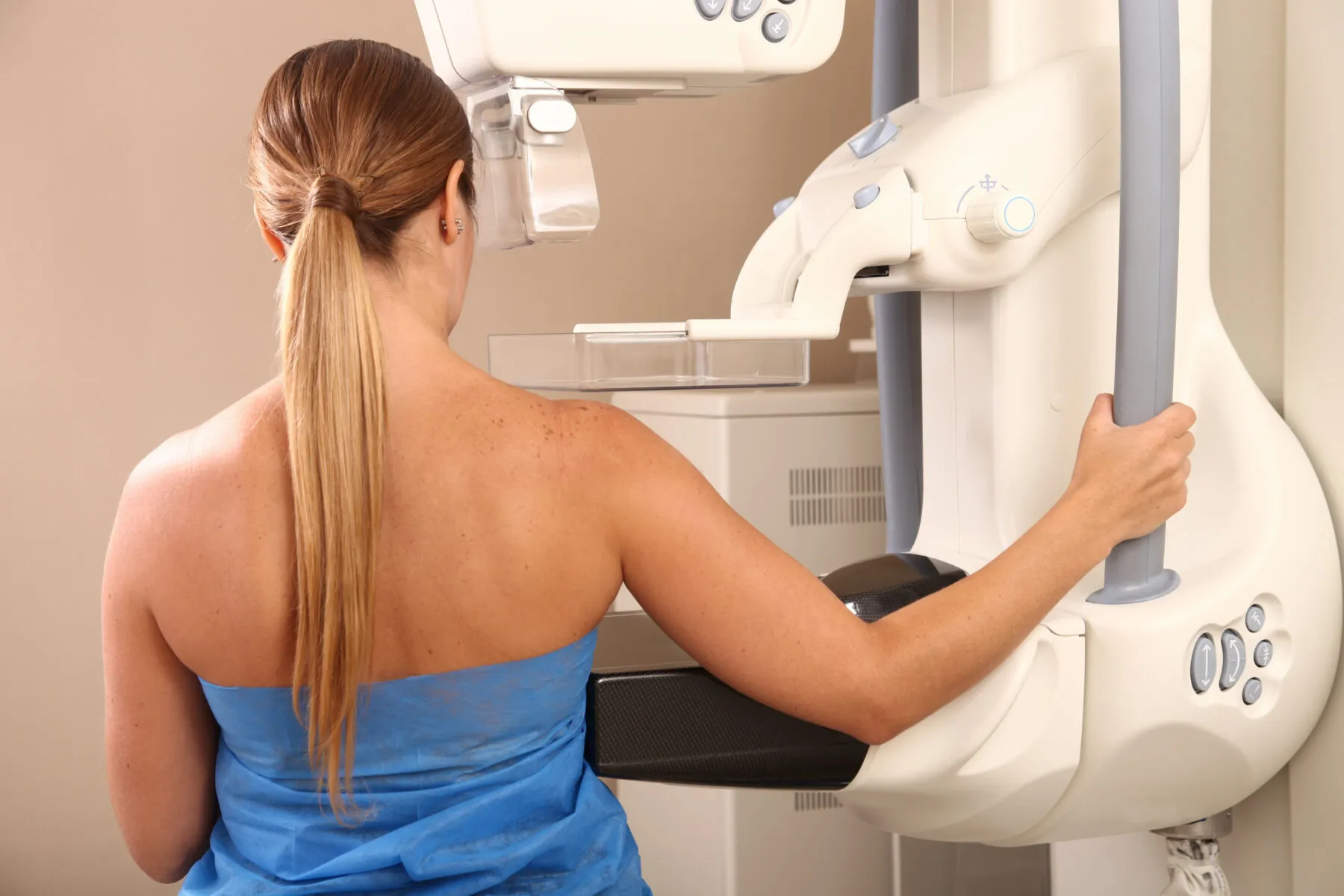
BRCA and beyond: finding younger women with a higher risk of breast cancer
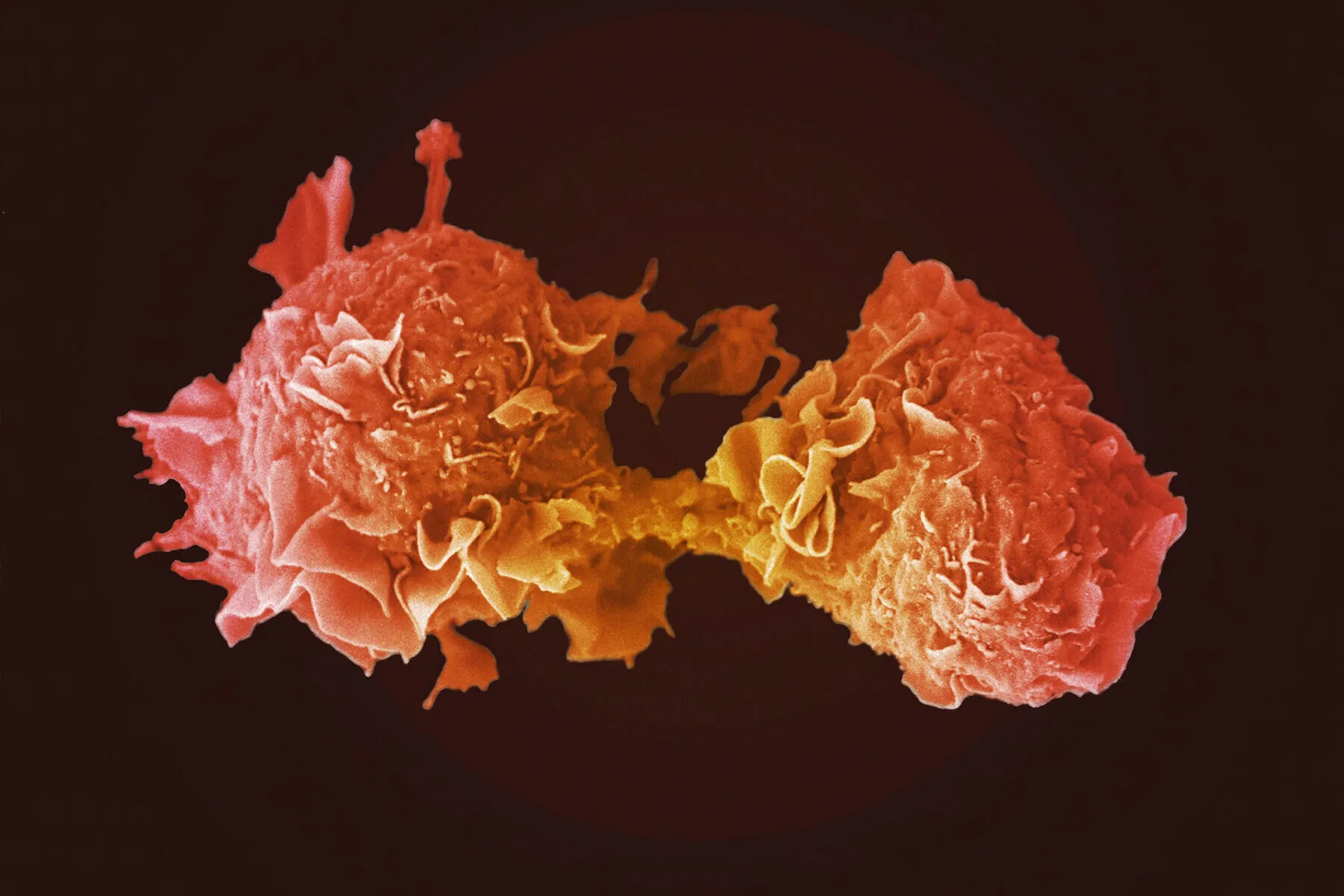
Could clearing ‘immune fog’ stop lung cancer?
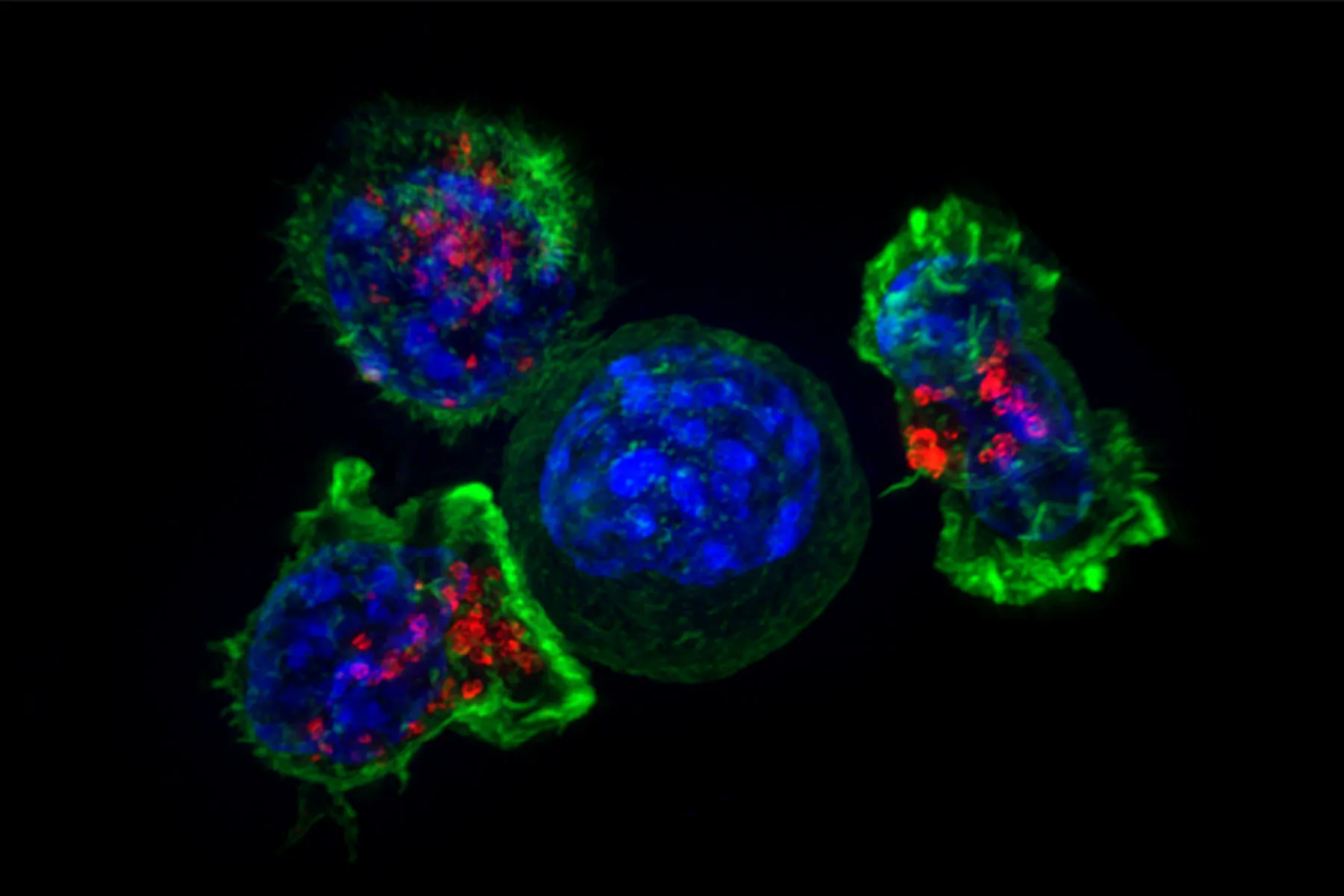
Beating cancer with superCARs

250,000-person study to investigate diet, lifestyle and the rise of bowel cancer in under-50s
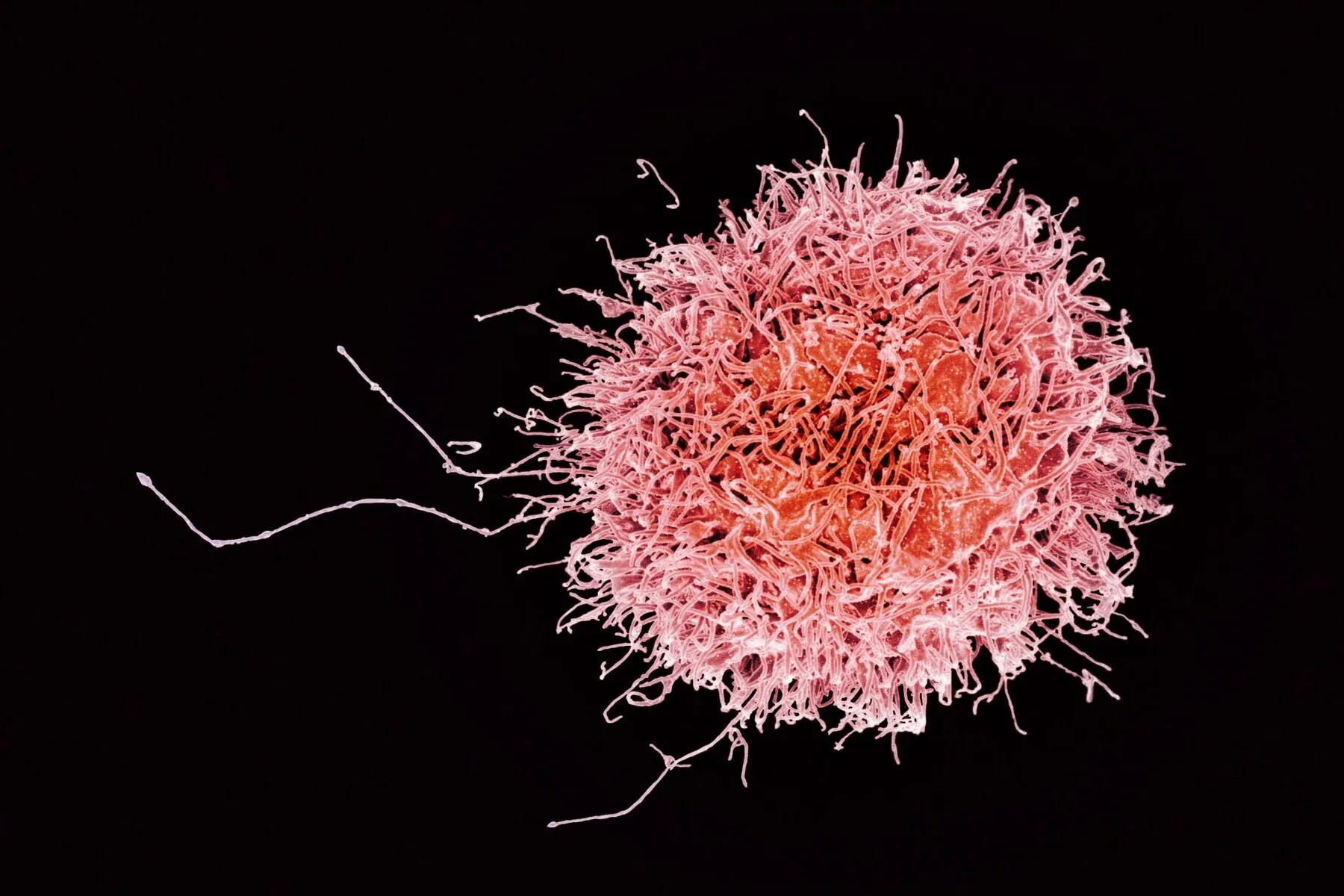
What can our genes tell us about preventing myeloma?
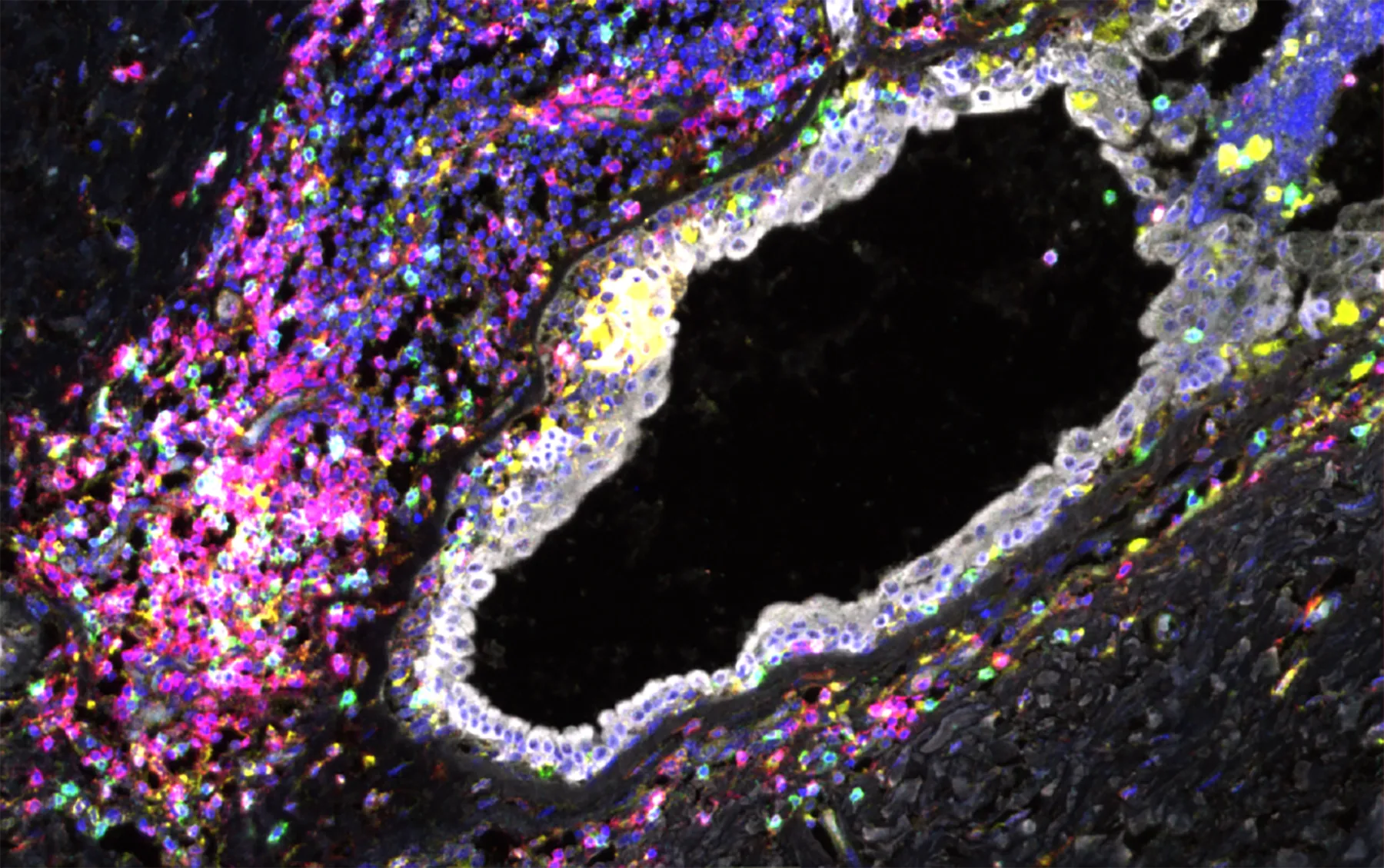
How BRCA research could lead to new ways to prevent breast cancer

"I felt like a completely different person" - what it's like to go to school after cancer
More like this
Could clearing ‘immune fog’ stop lung cancer?
BRCA and beyond: finding younger women with a higher risk of breast cancer
250,000-person study to investigate diet, lifestyle and the rise of bowel cancer in under-50s
The Future of Genetic Testing
As technology advances, the future of genetic testing holds both promise and concern. The ability to edit genes and modify potential mutations raises significant ethical questions. If you're working in this space, you might be thinking: how will society navigate these waters? The increased accessibility to genetic tests could lead to greater awareness but also a sense of dread. What if many more people discover they carry these life-altering mutations? Will healthcare systems be ready to handle the influx of patients seeking information, support, and preventative measures? These are questions on many minds, and they underscore the need for thorough public health conversations and policy developments. There's much at stake as we may have reached a tipping point in how we view genetics, health, and disease management.